Bilder von American Museum of Natural History
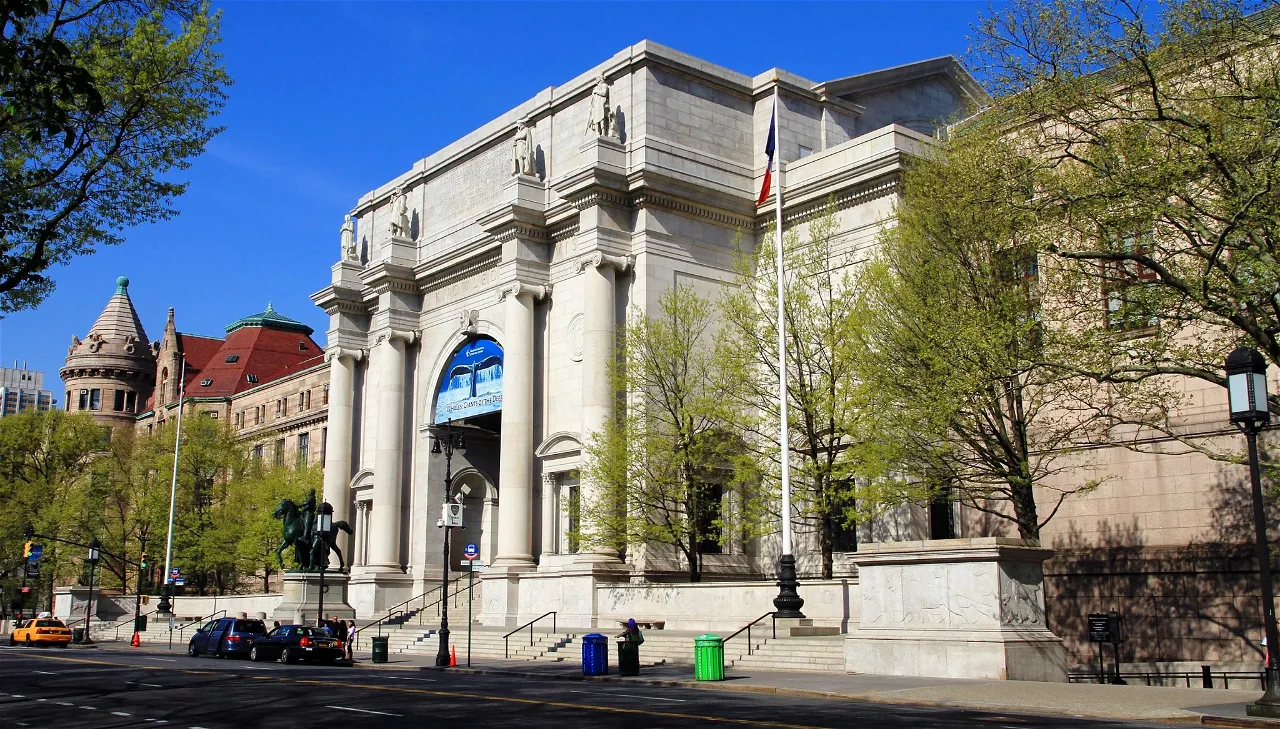
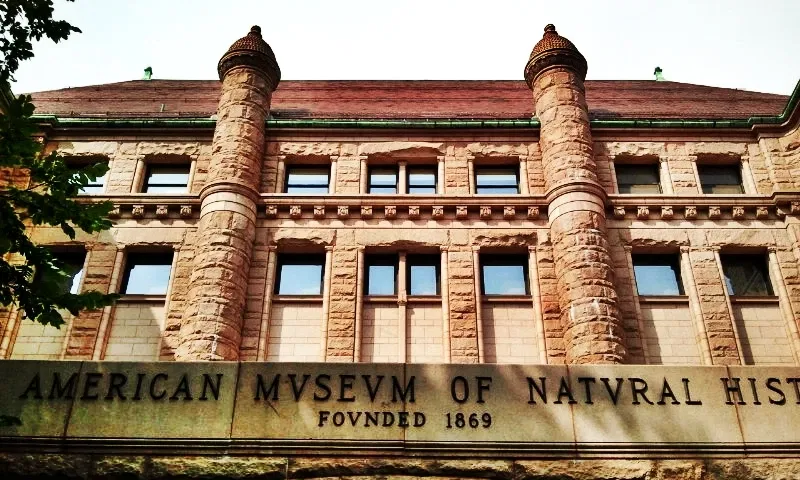
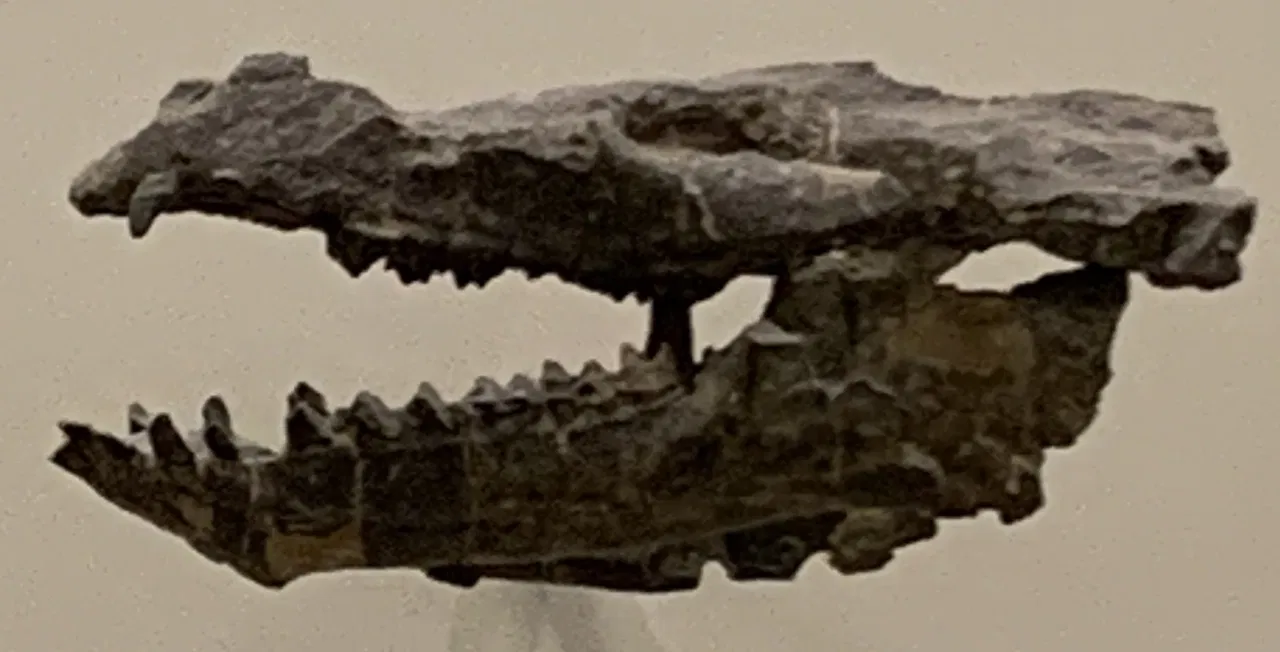
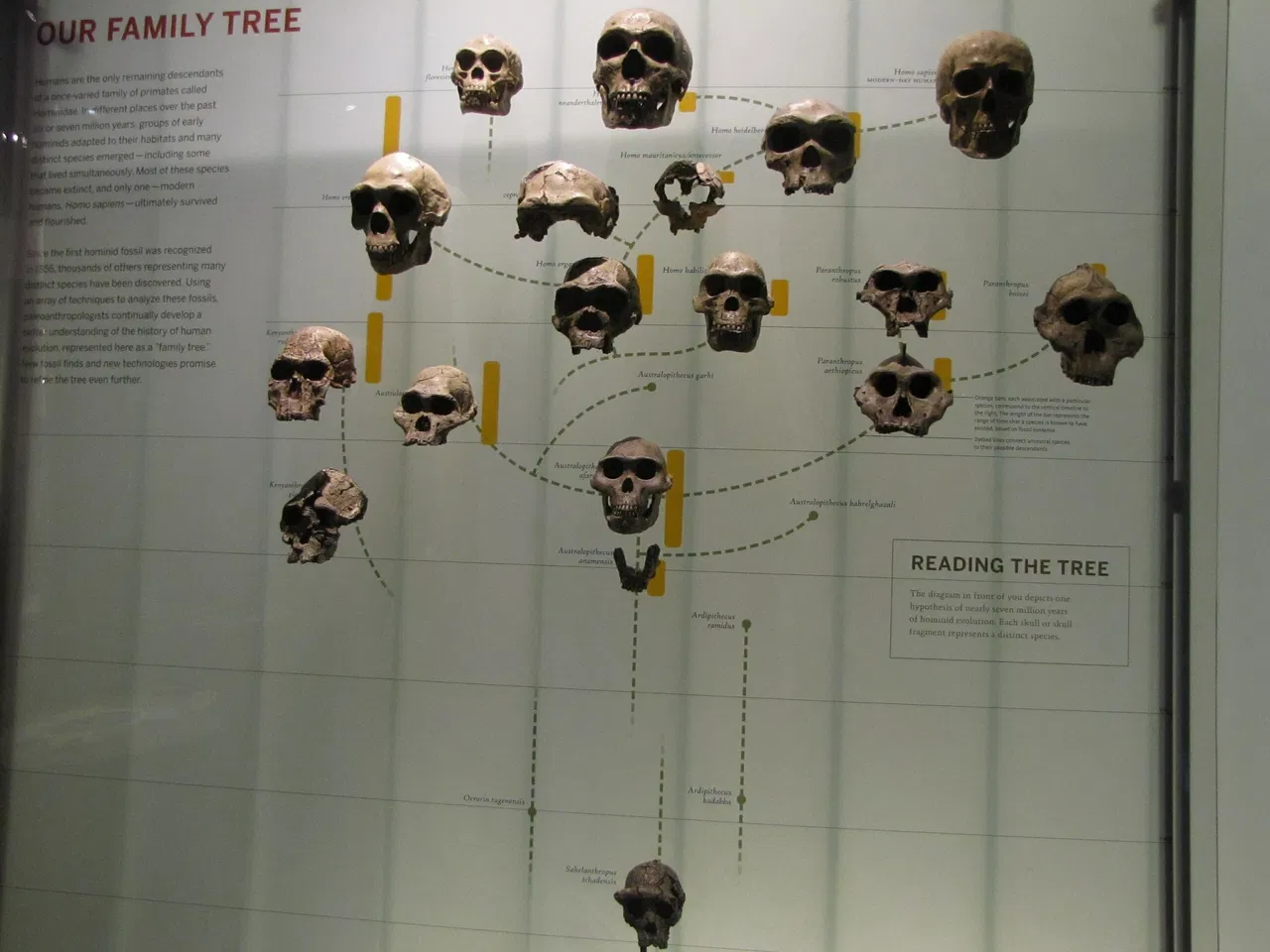
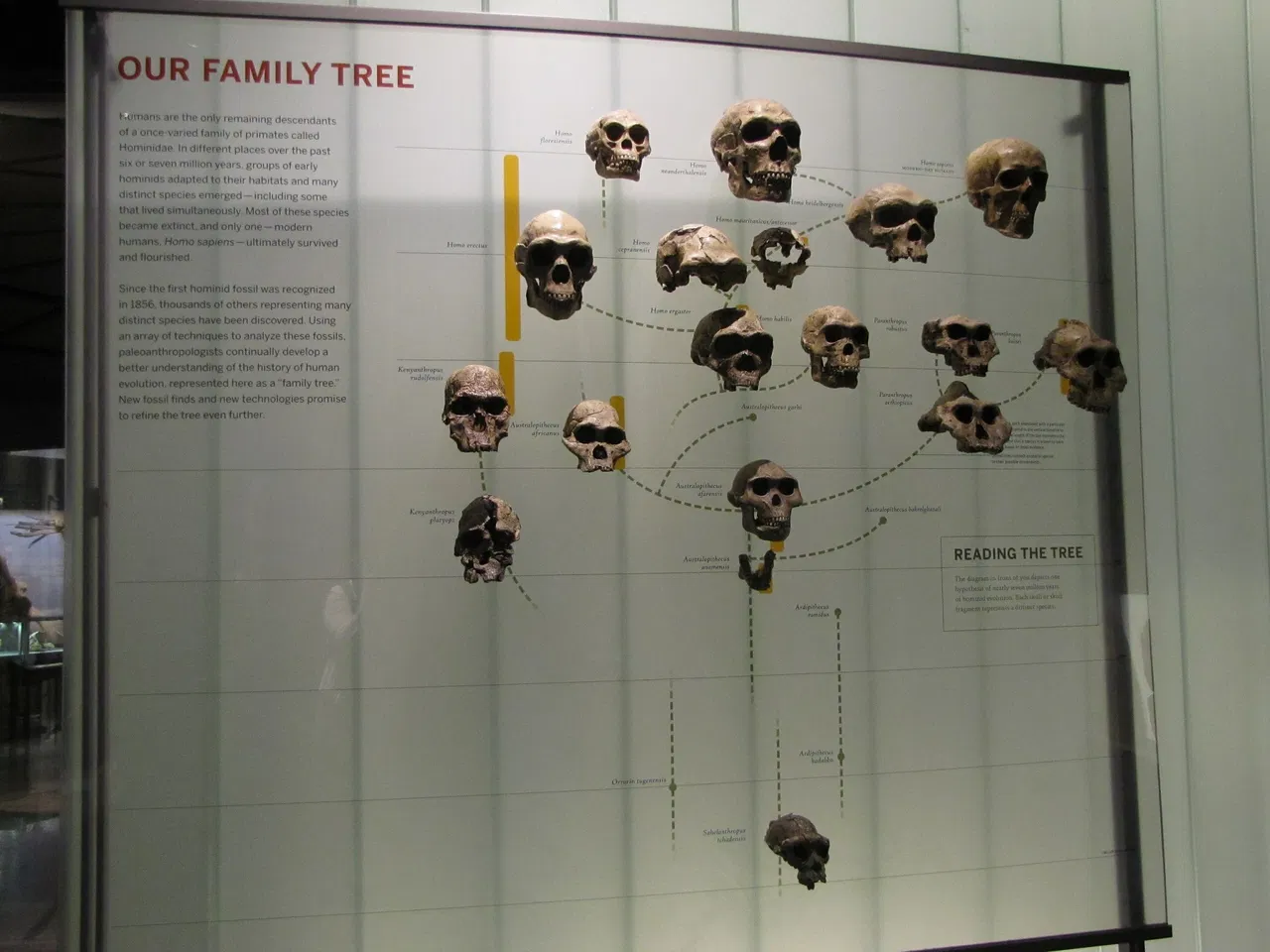
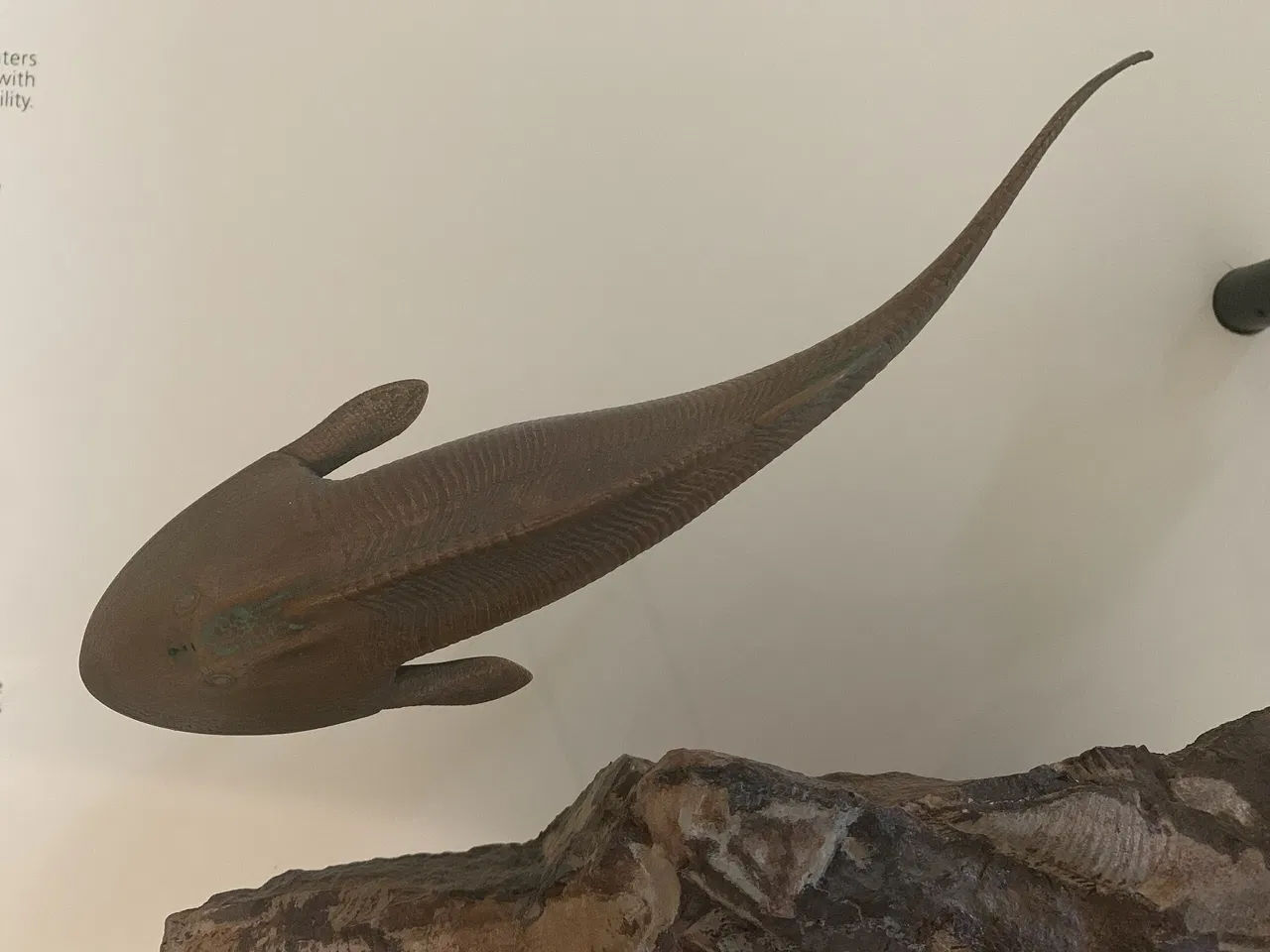
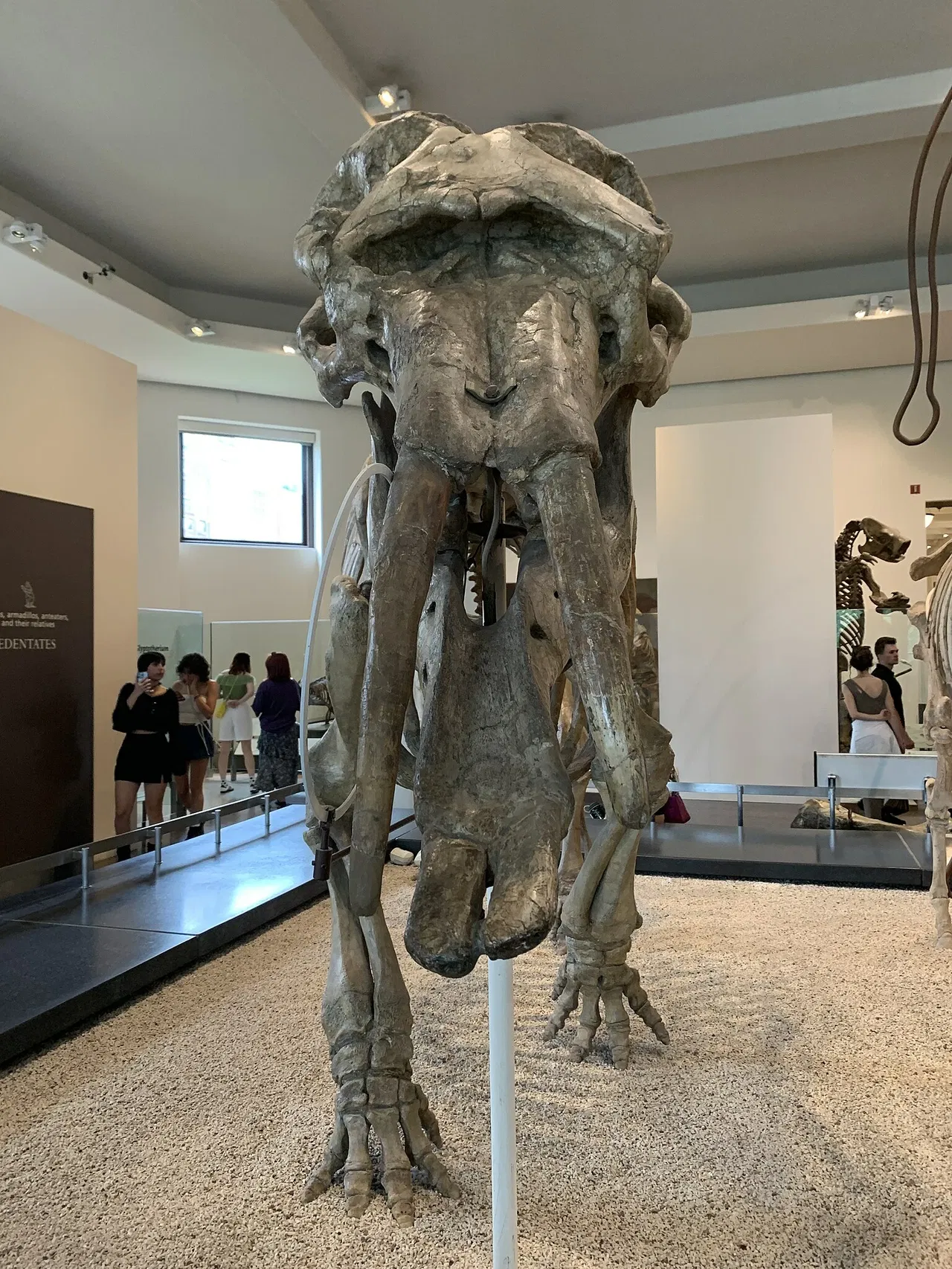
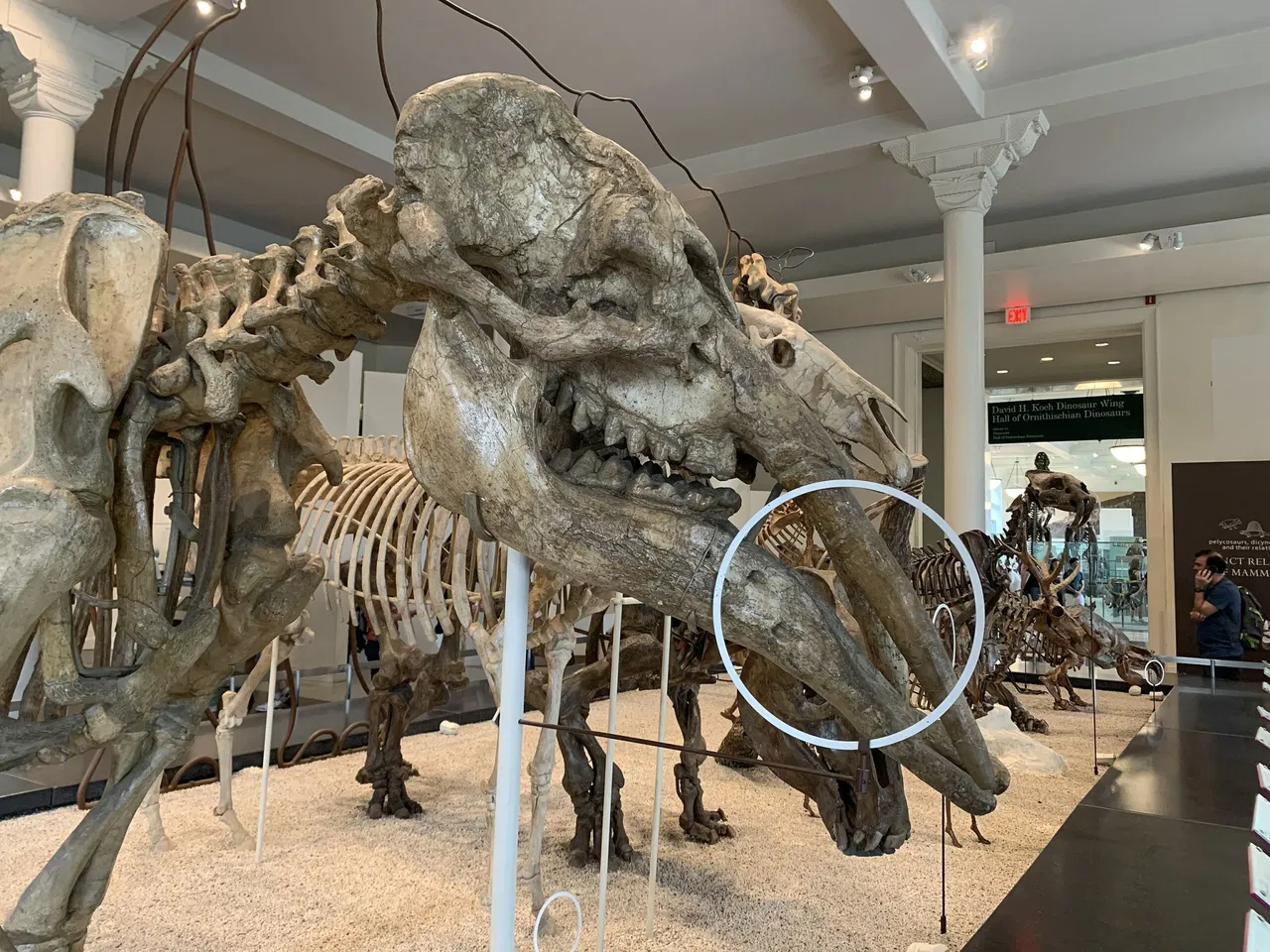
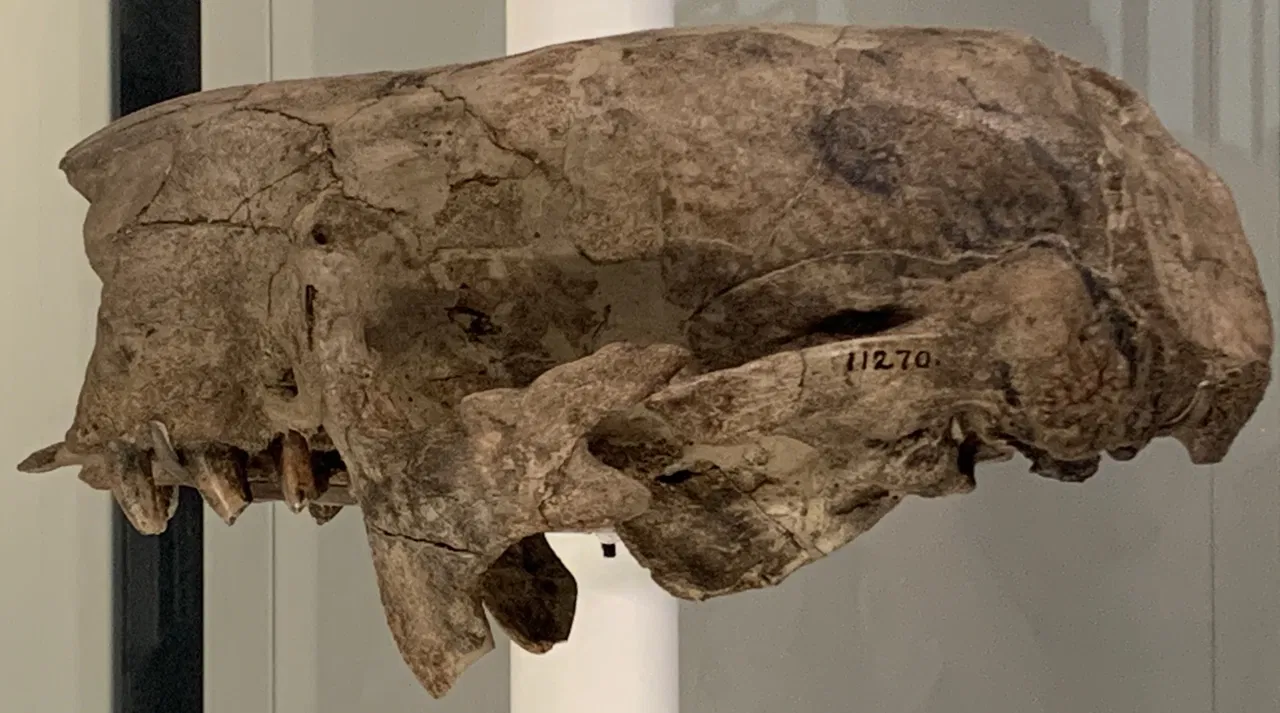
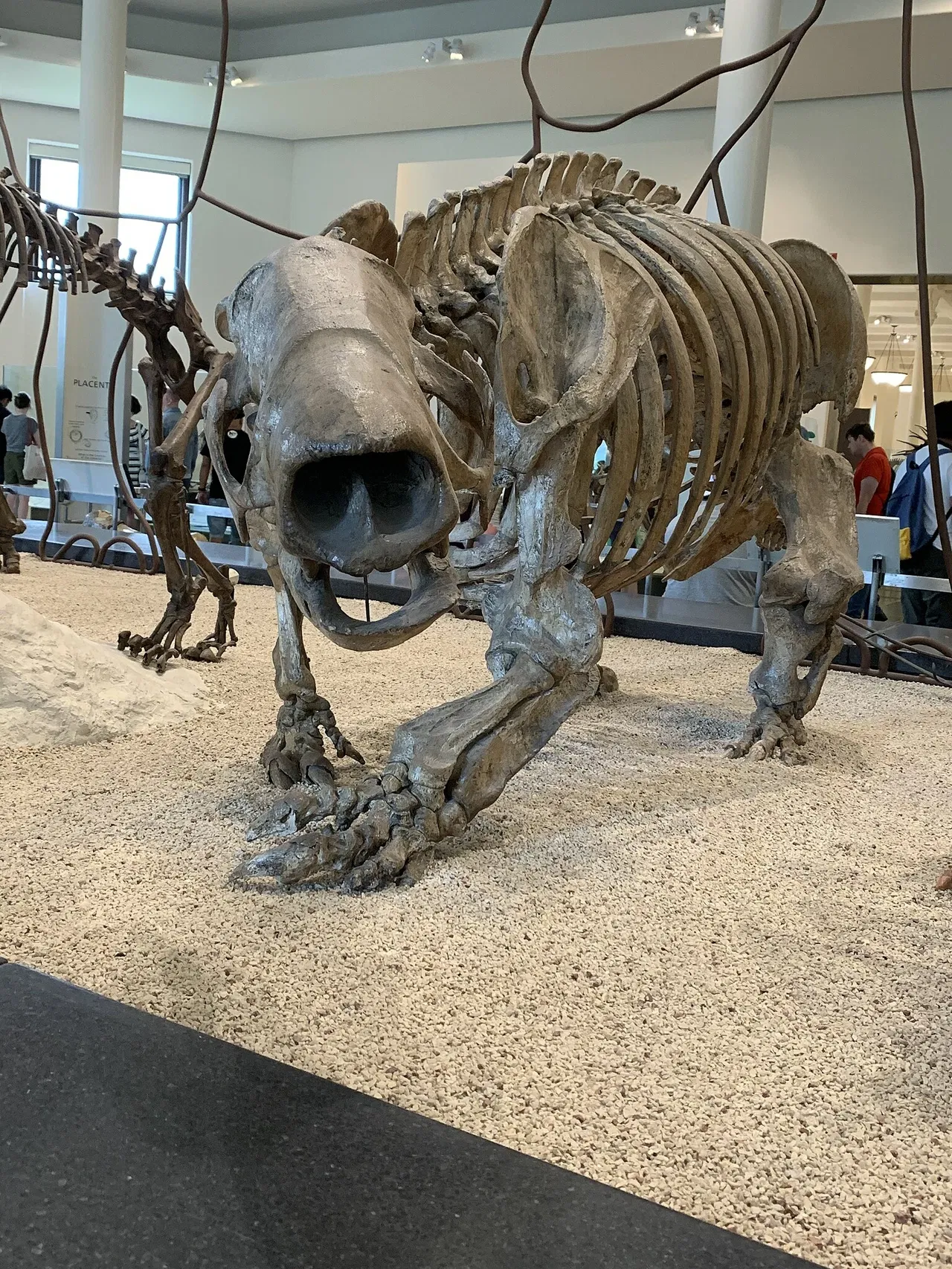
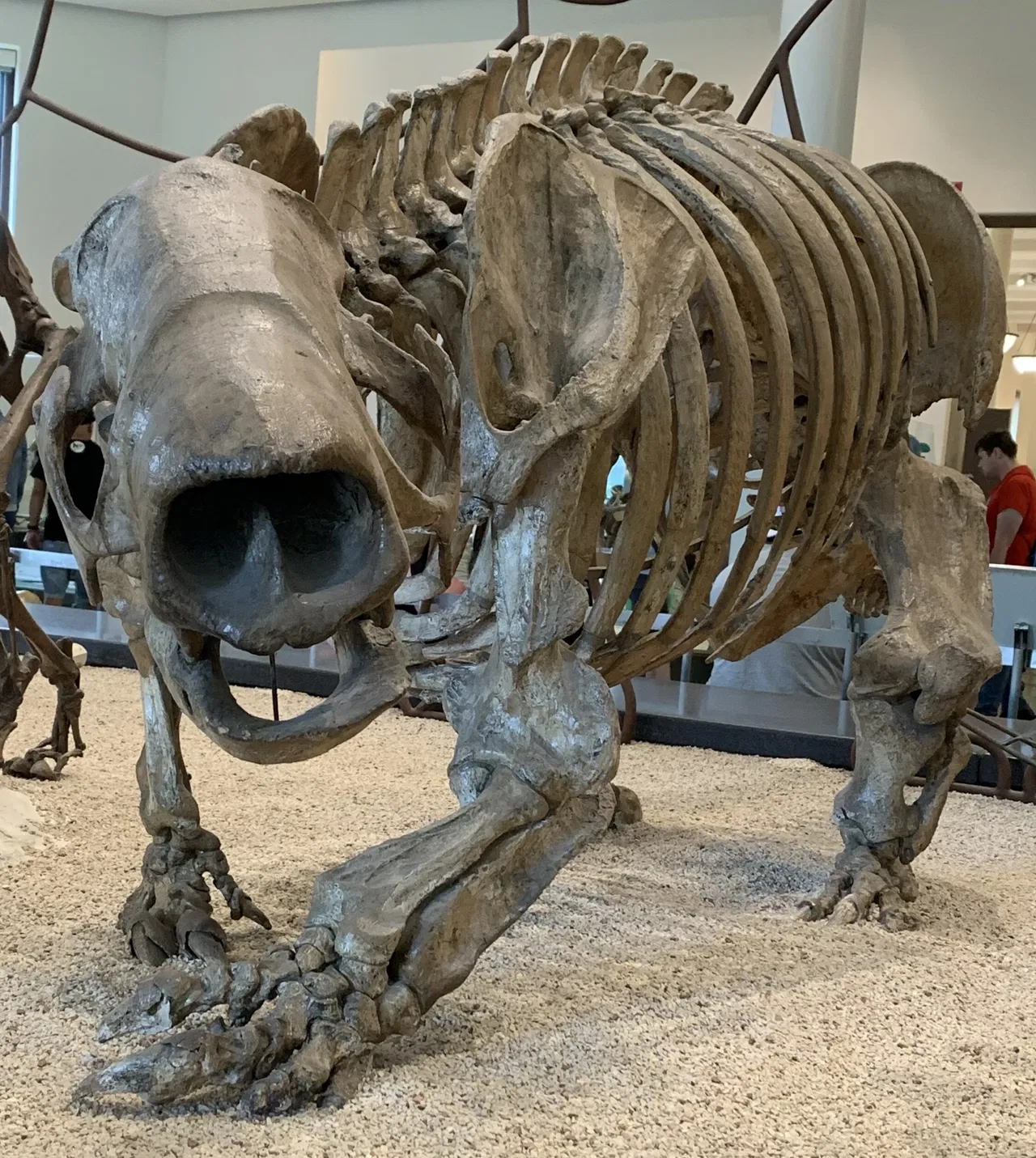
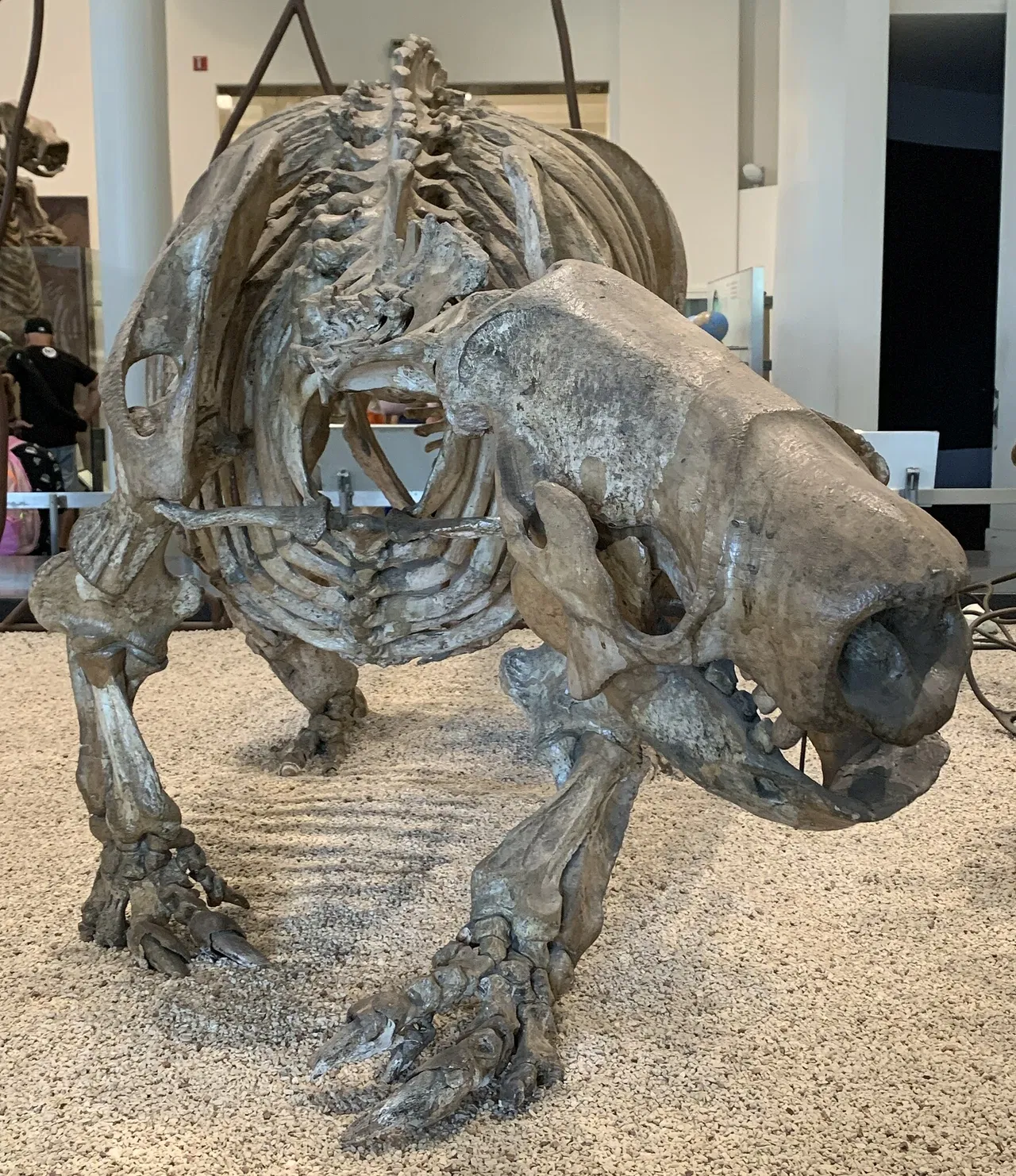
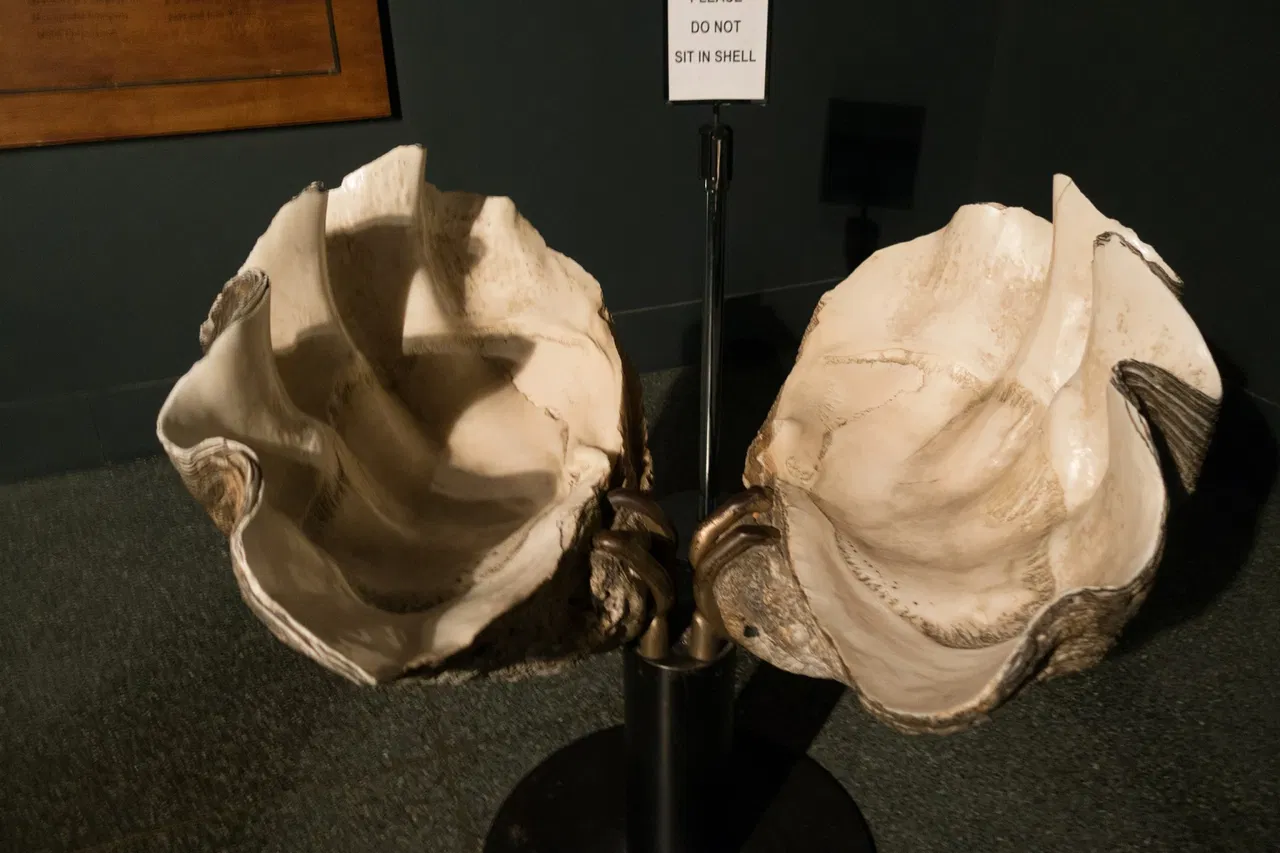
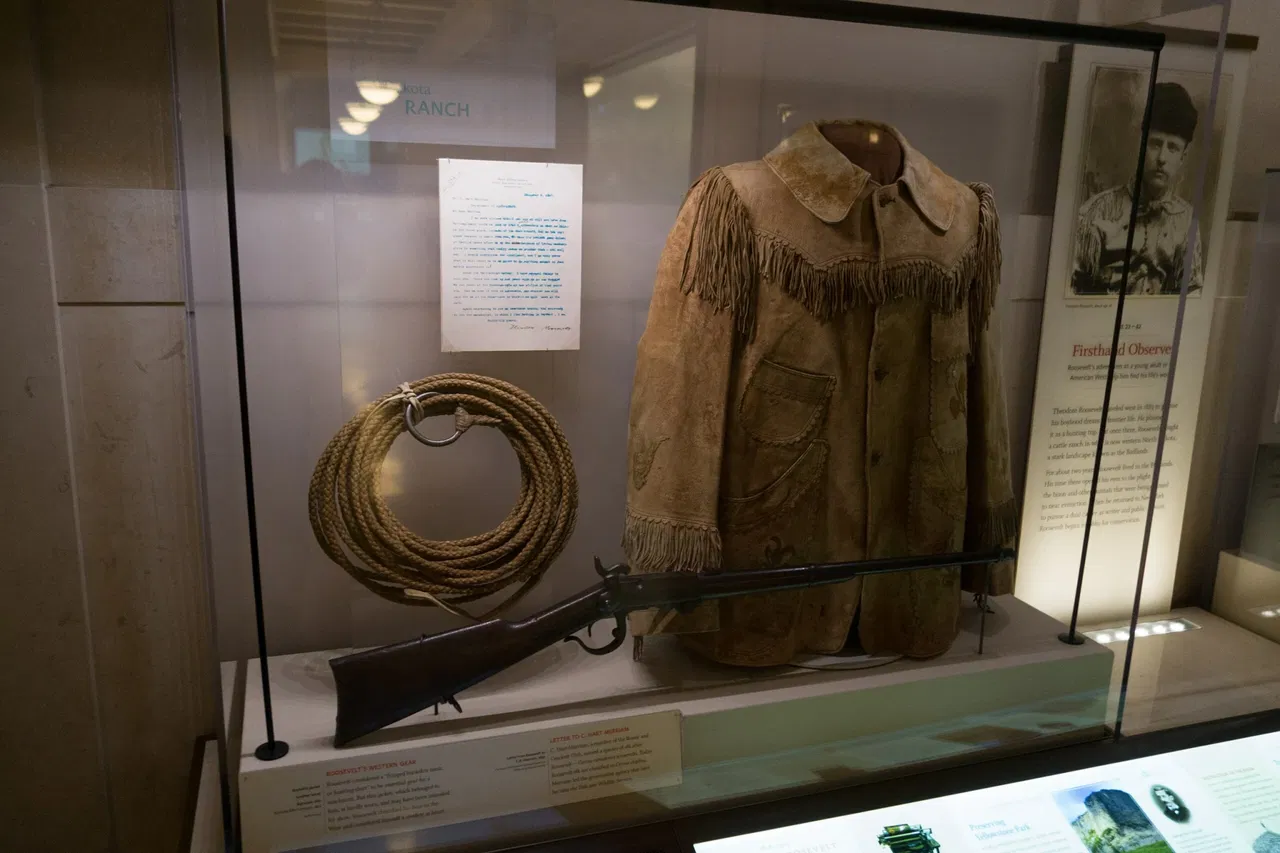
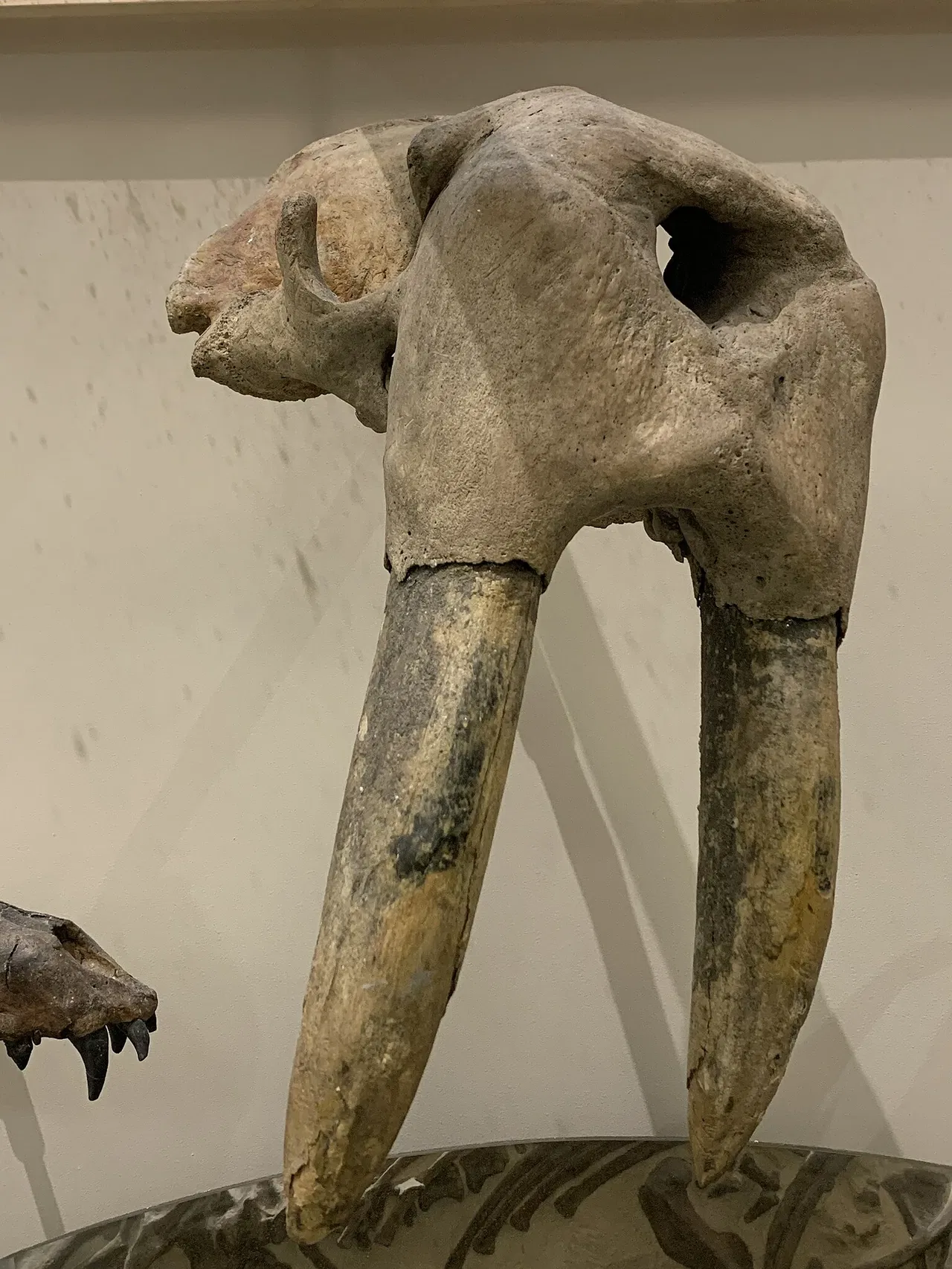
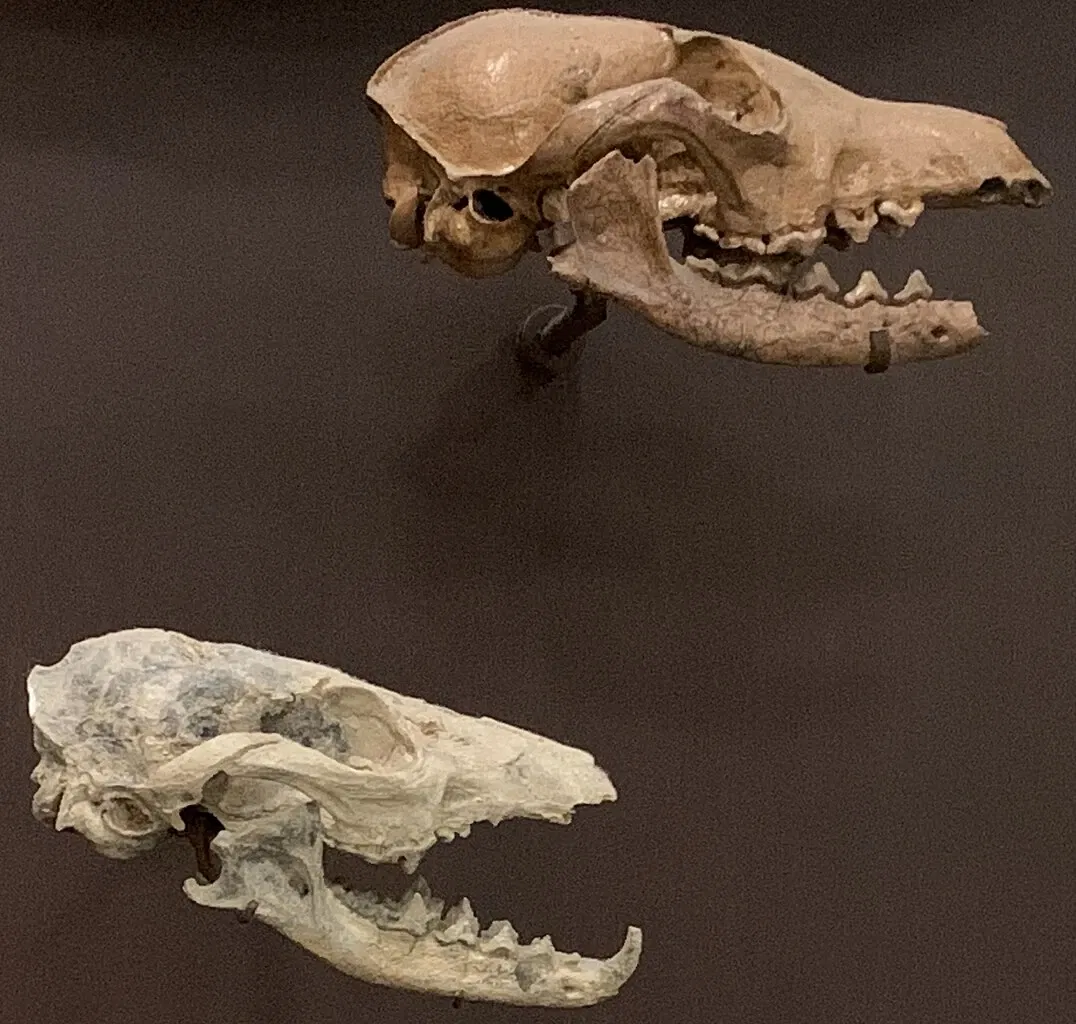
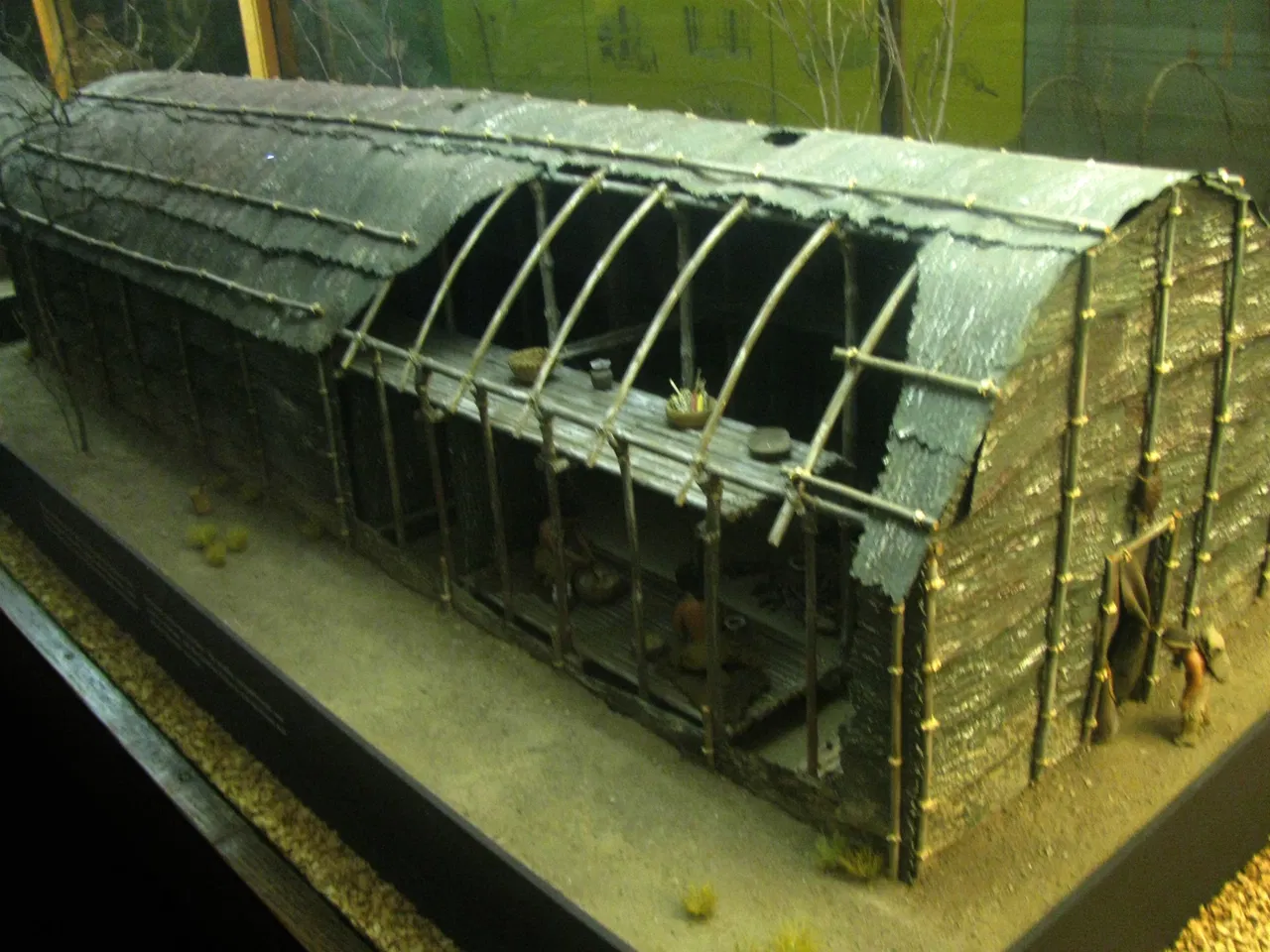
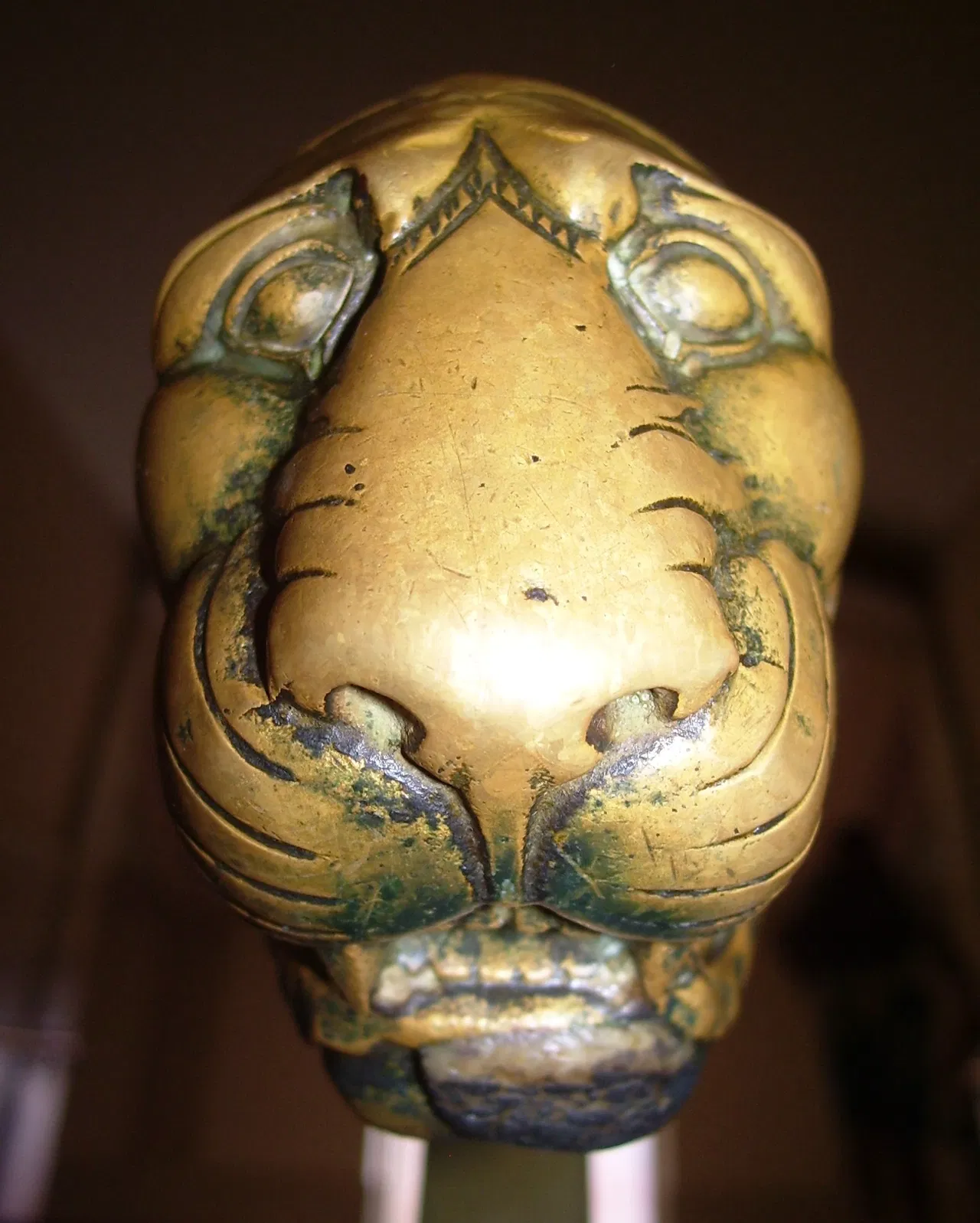
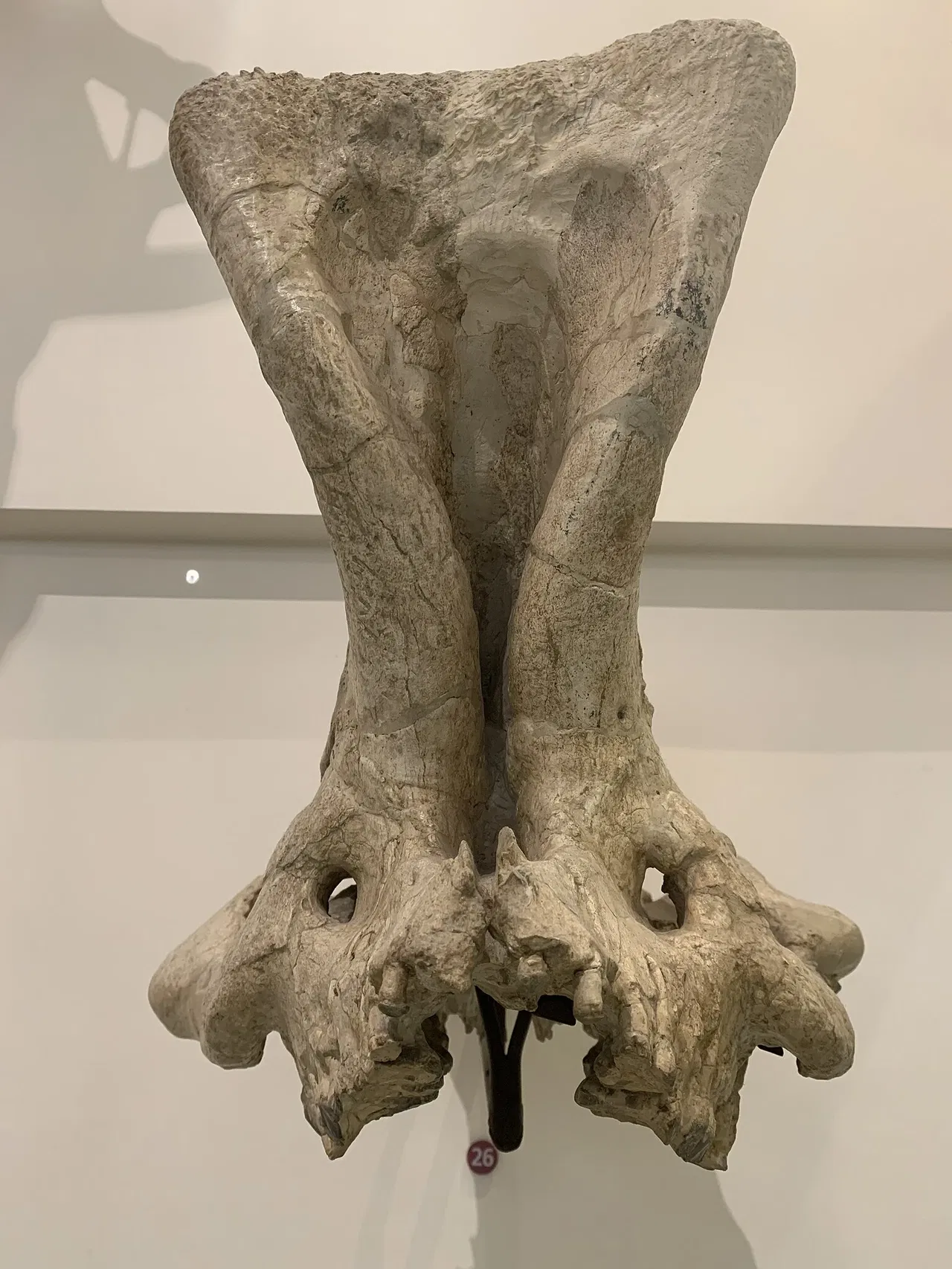
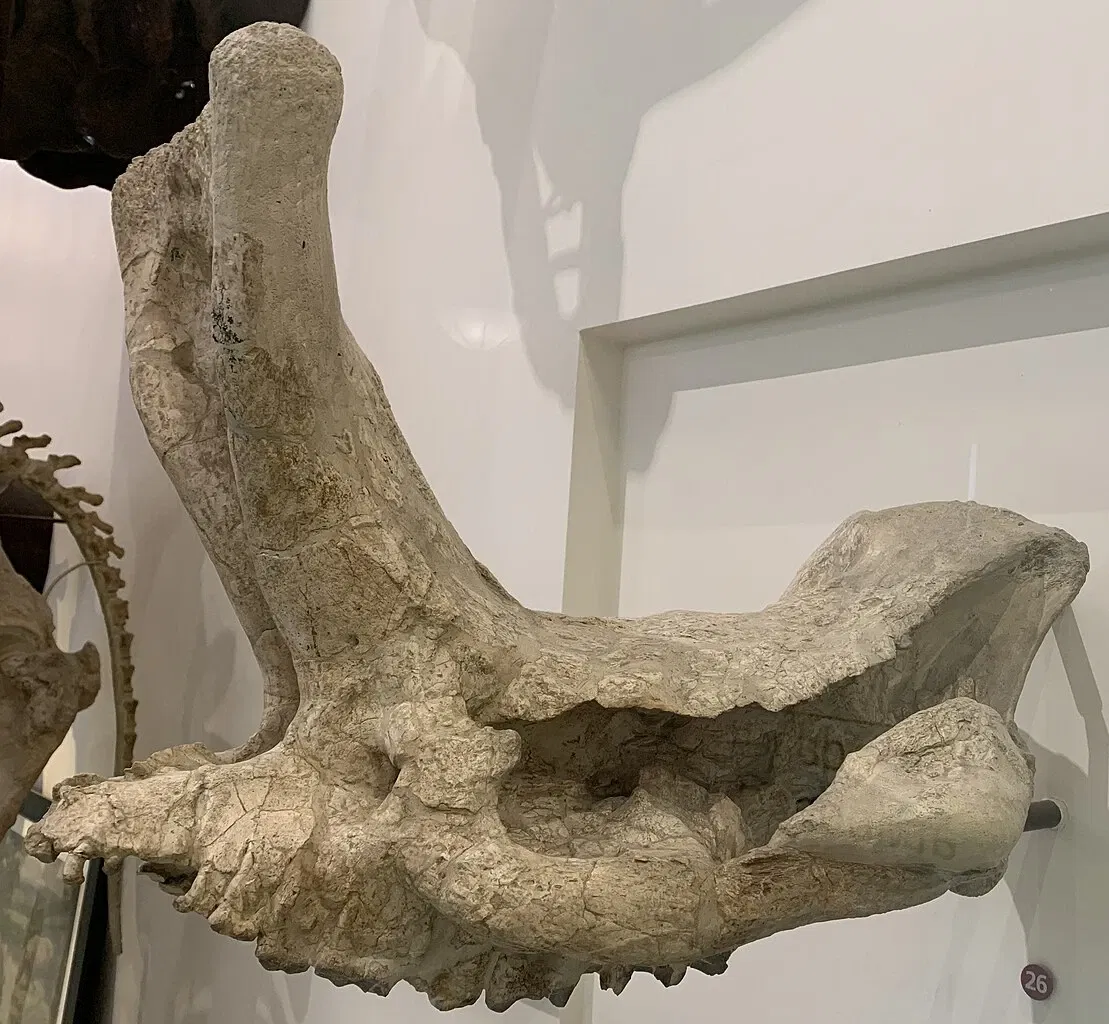
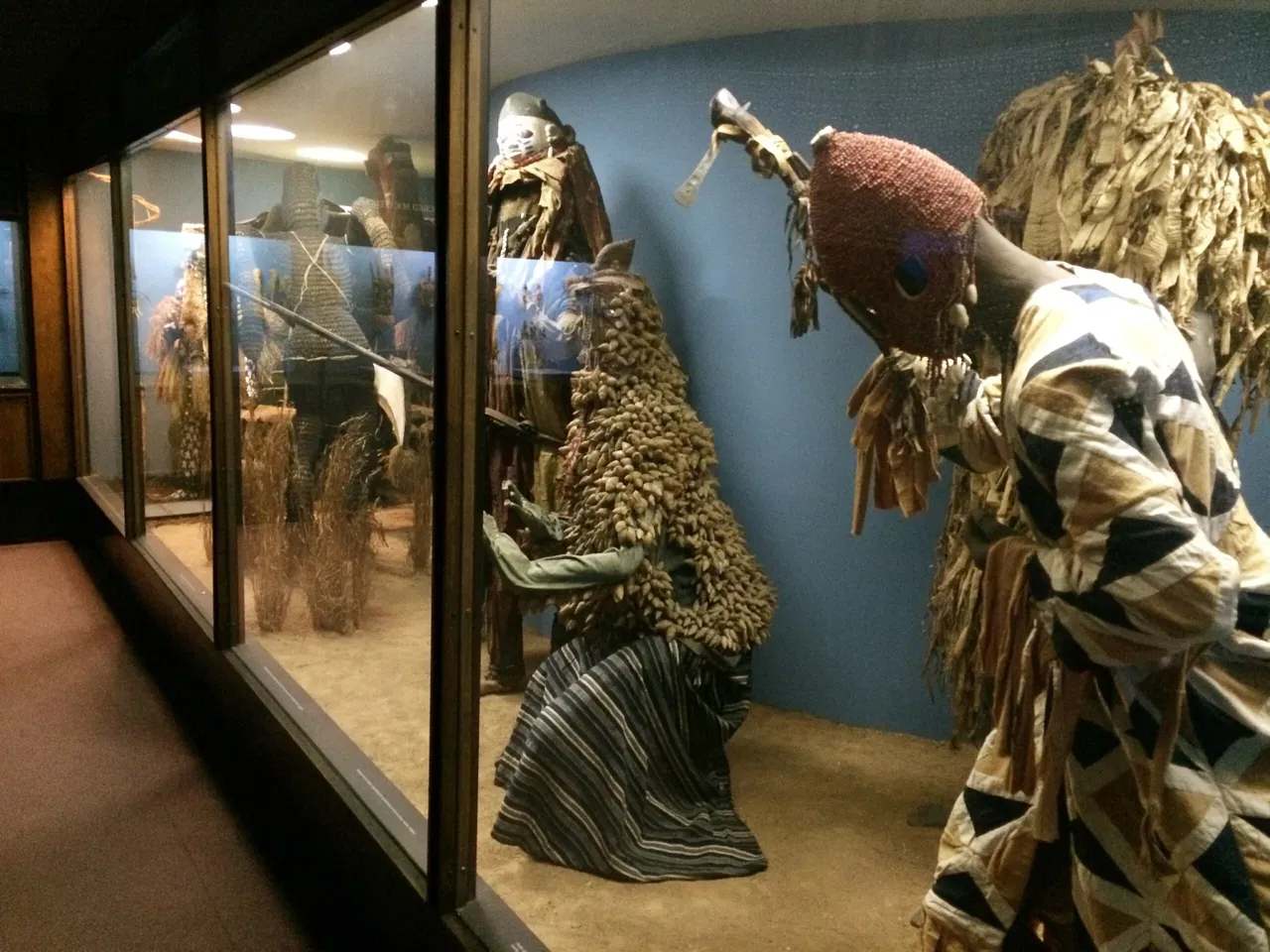
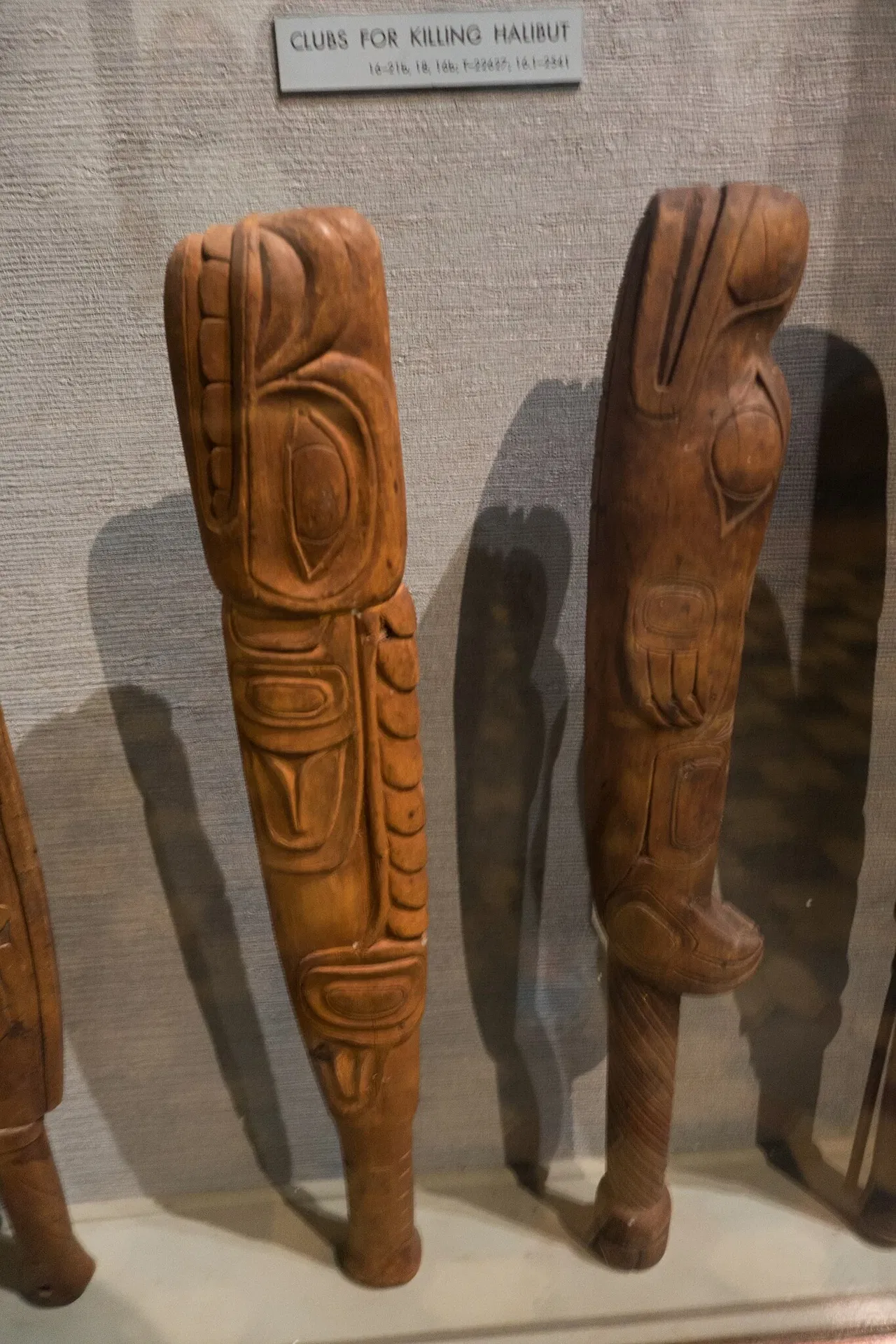
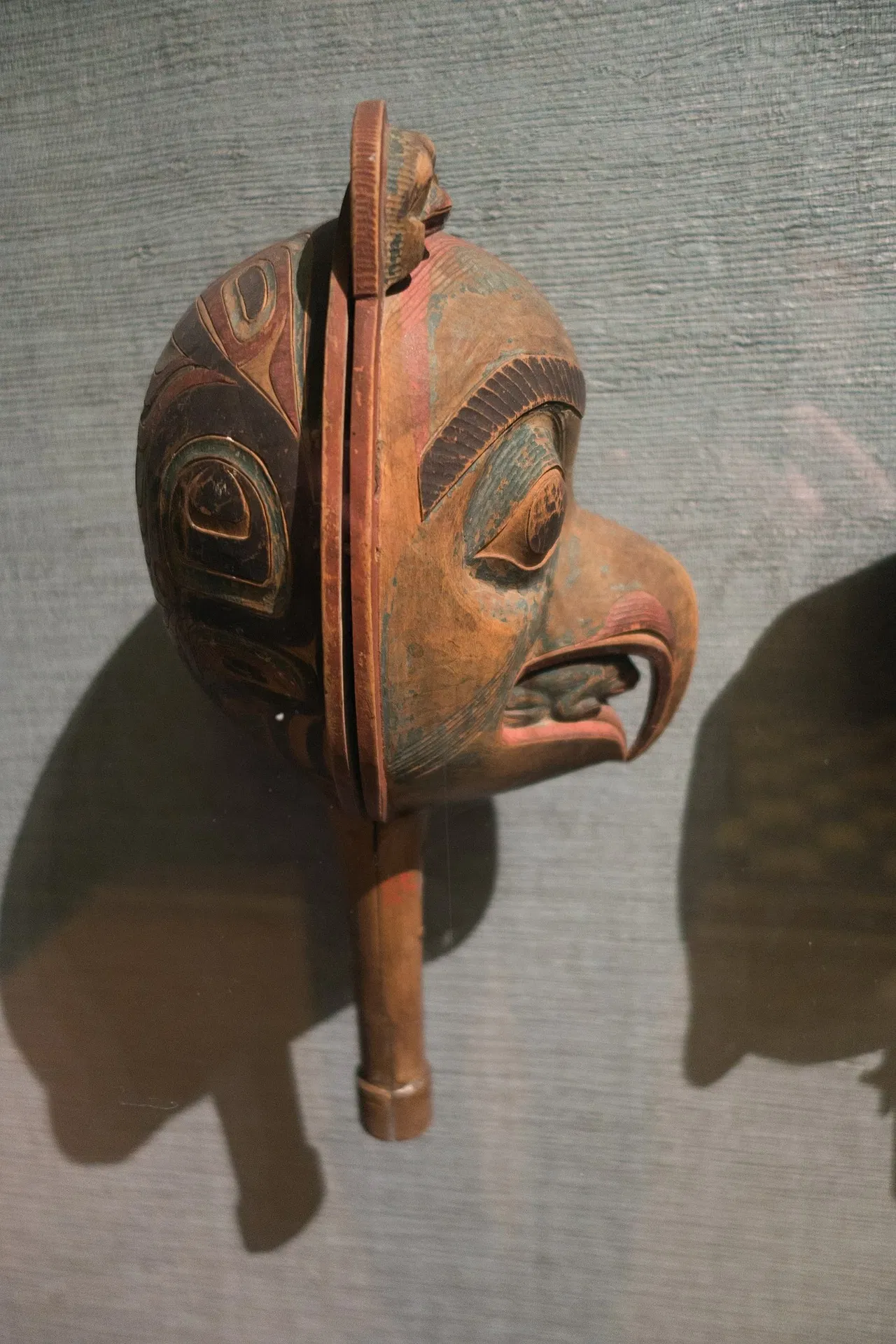
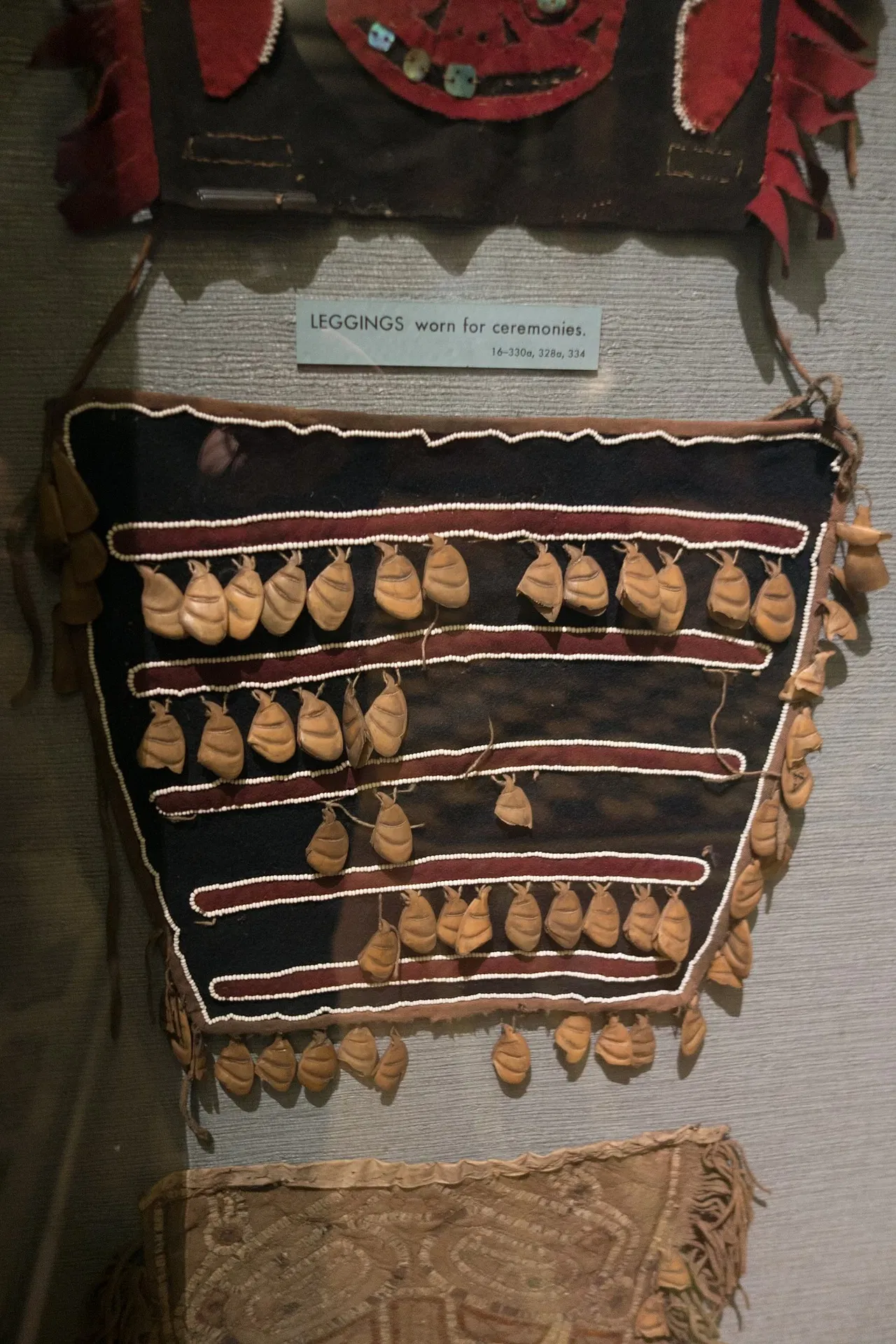
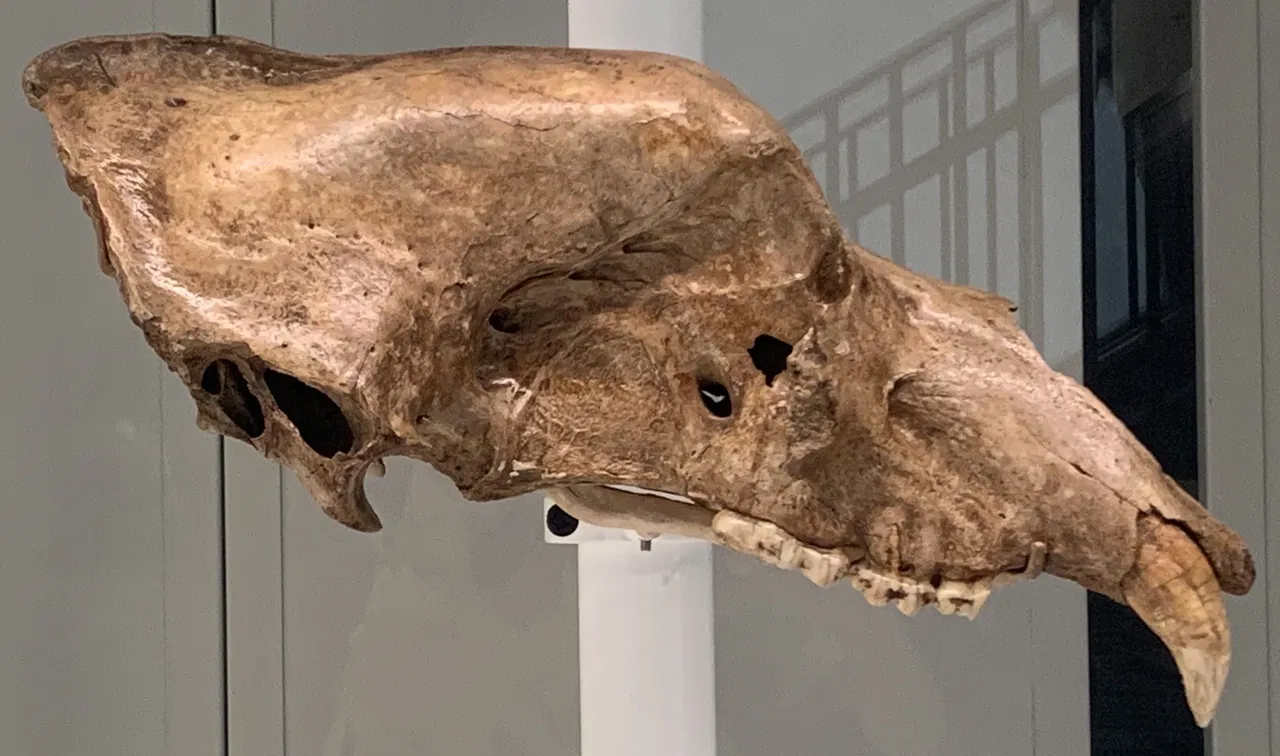
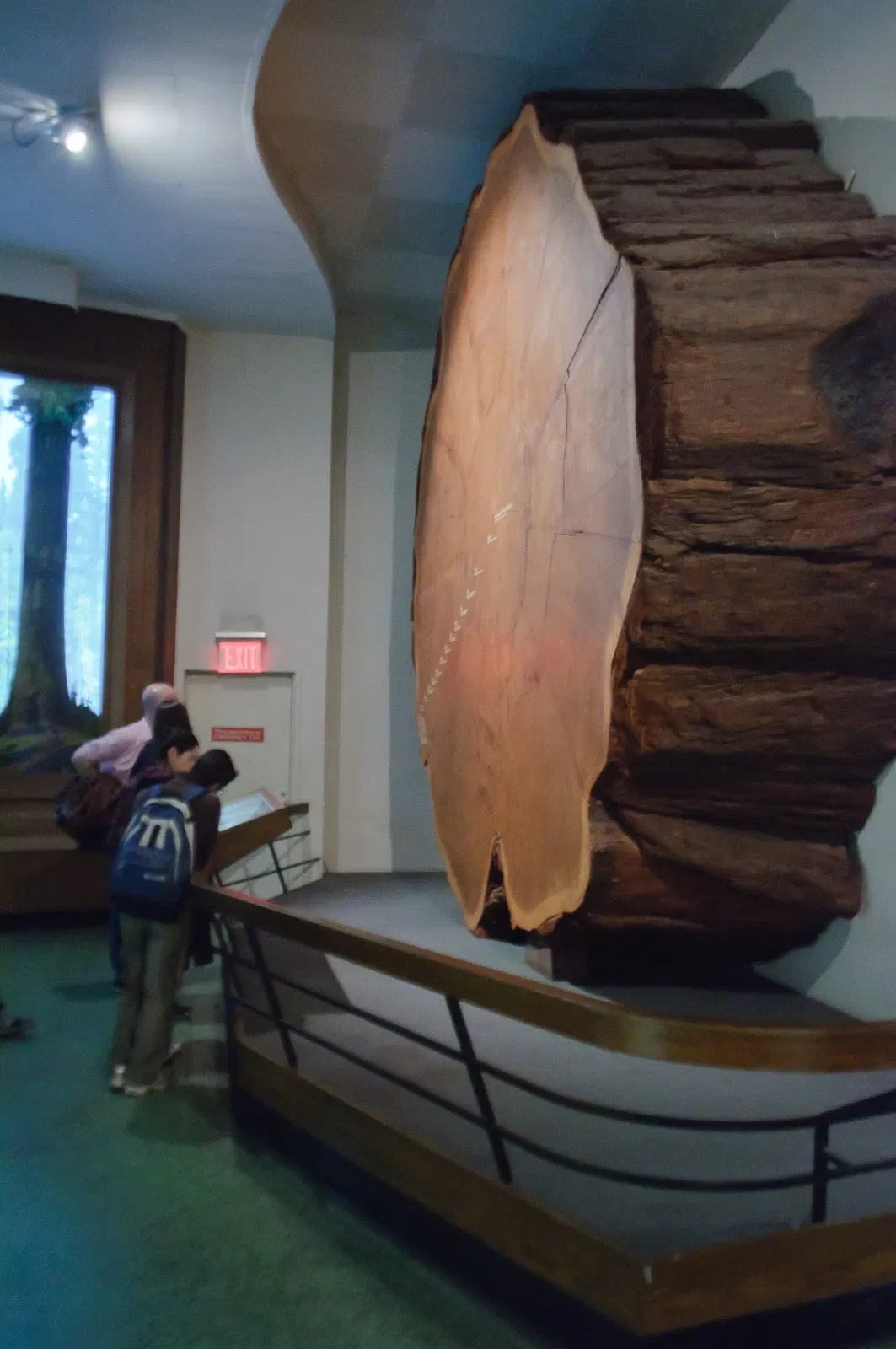
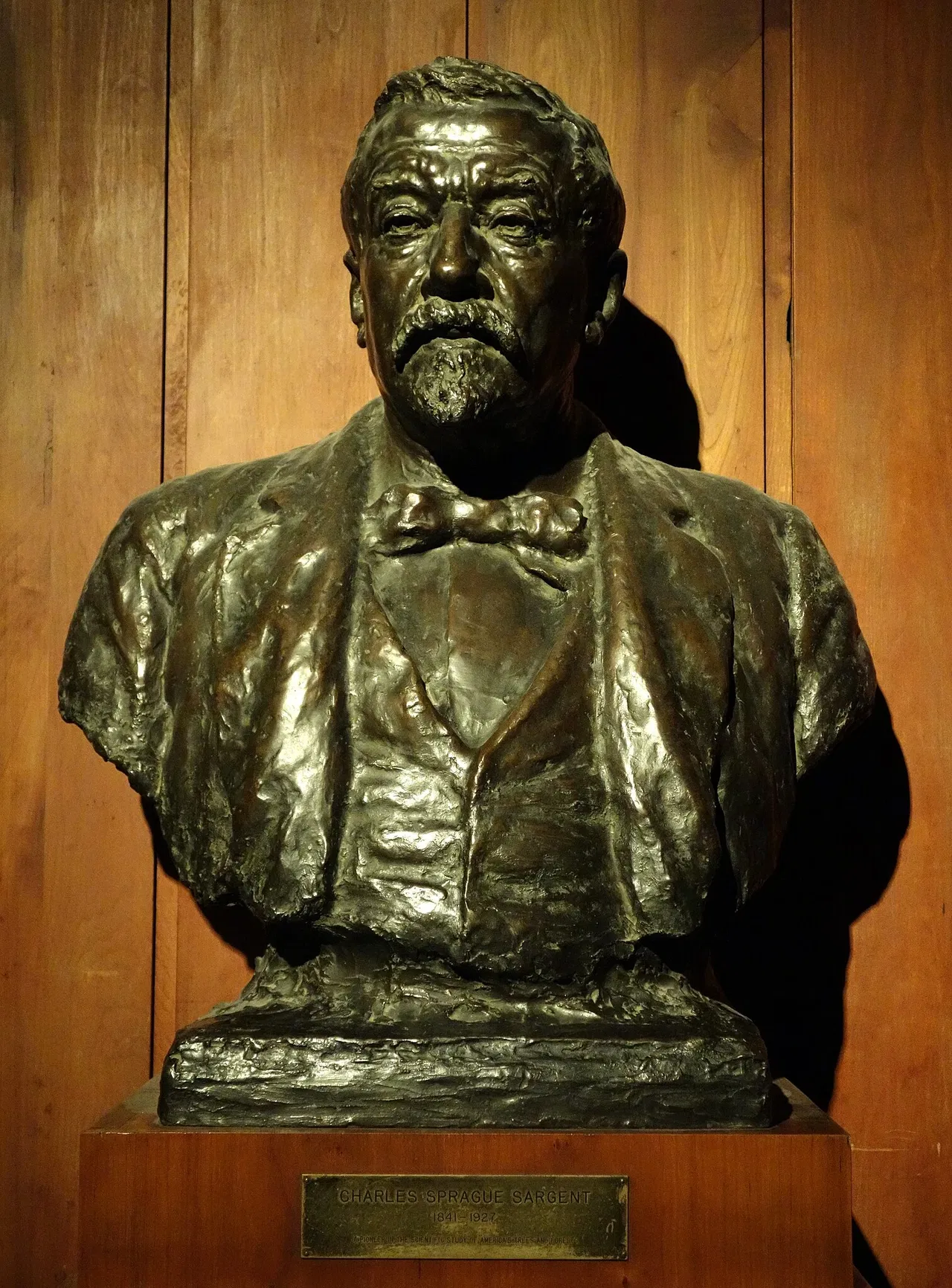
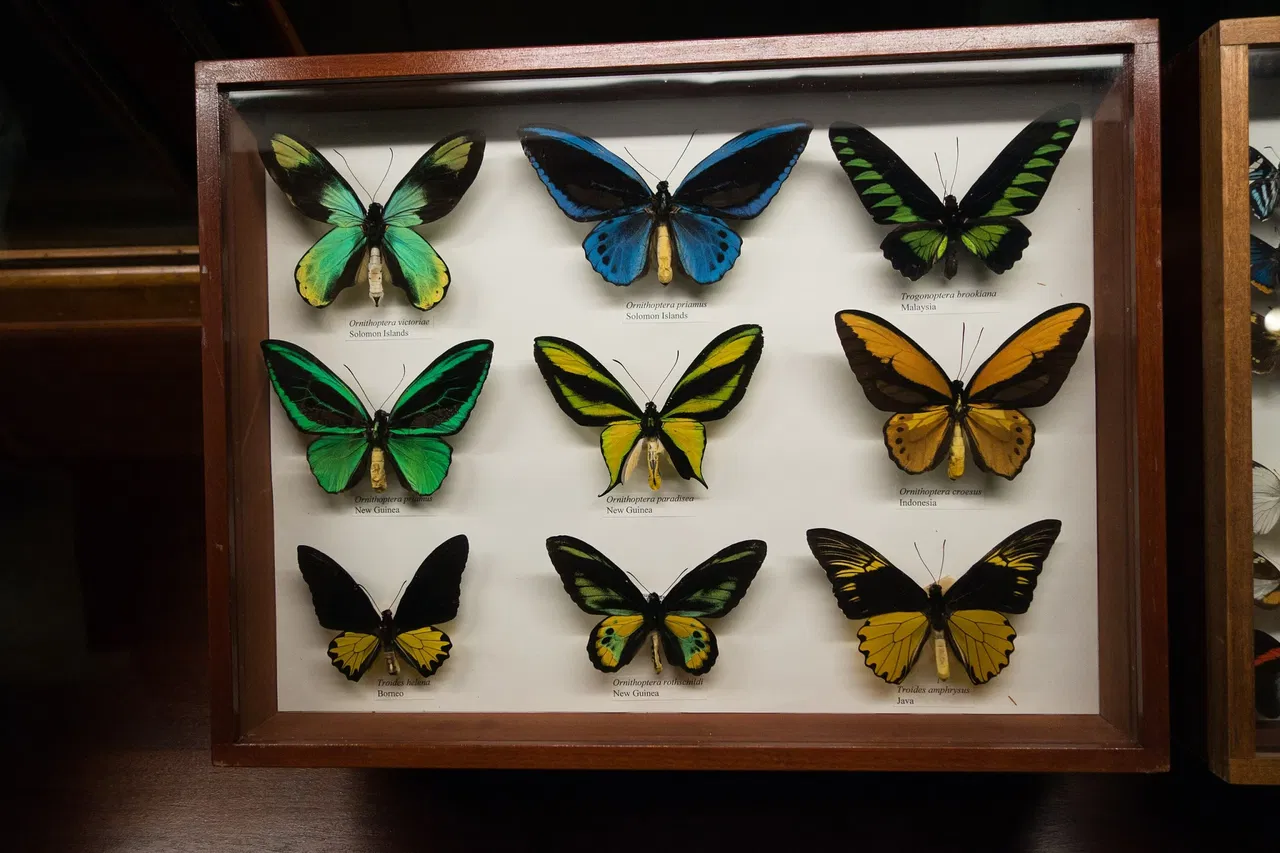
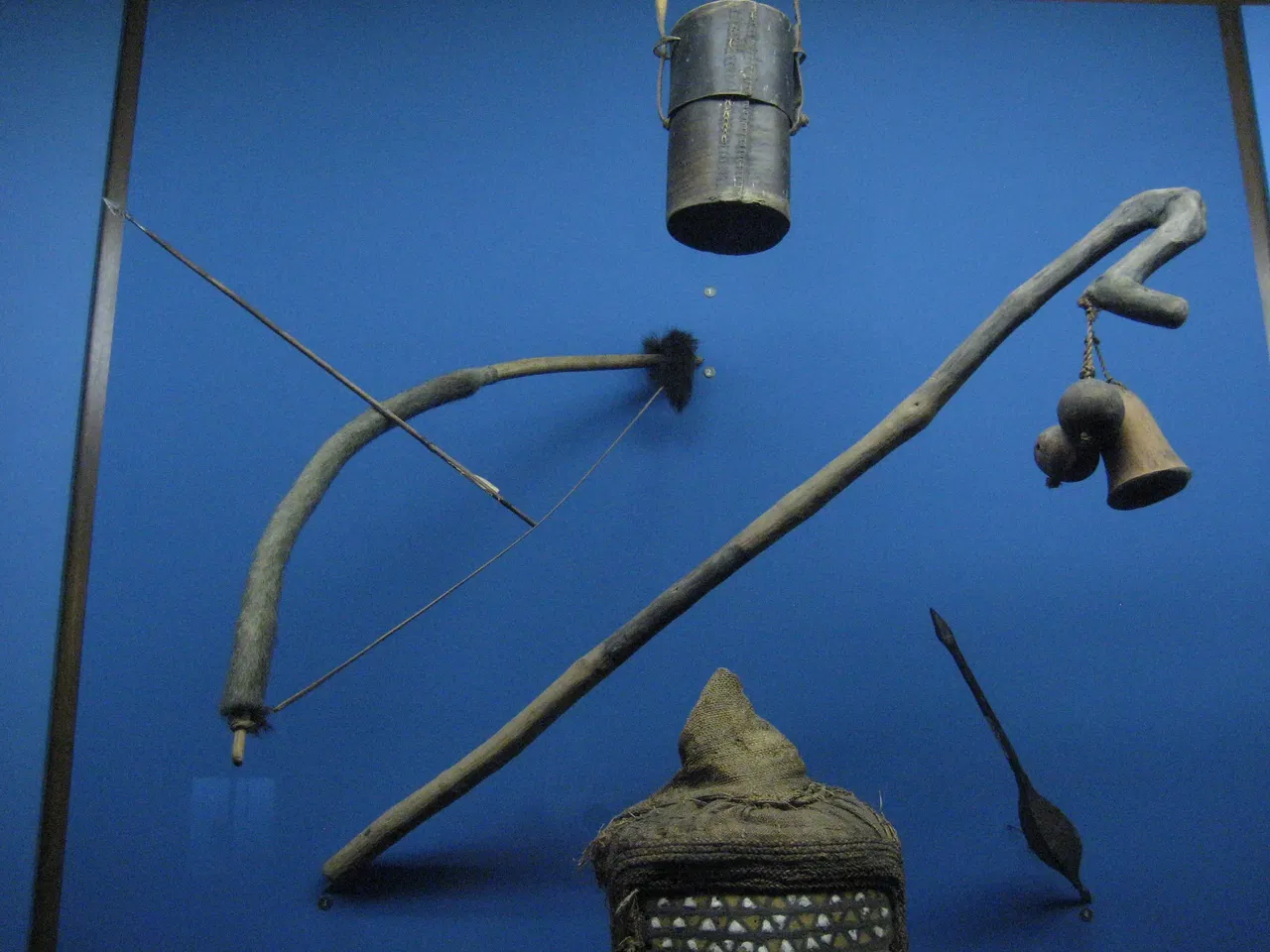
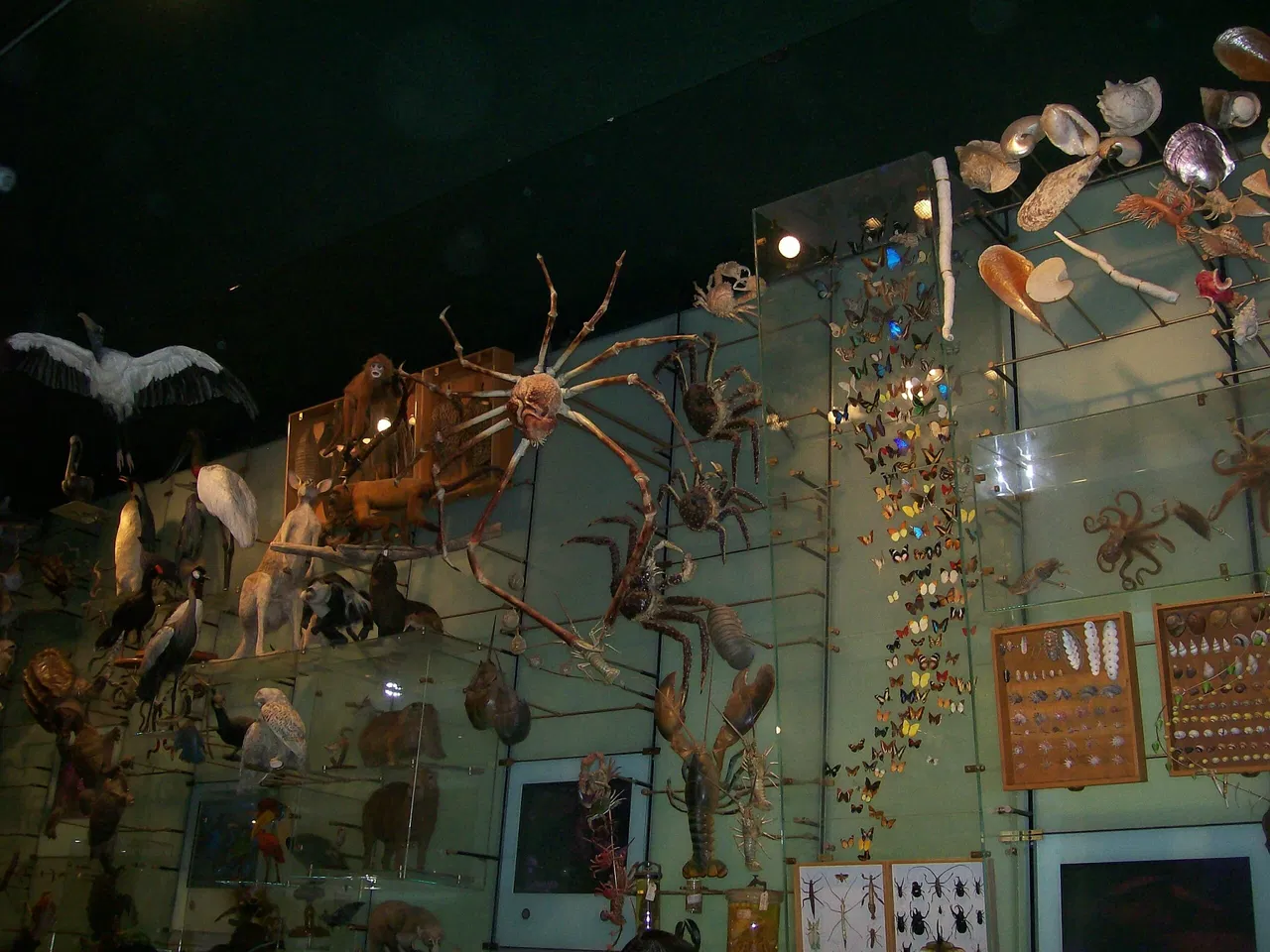
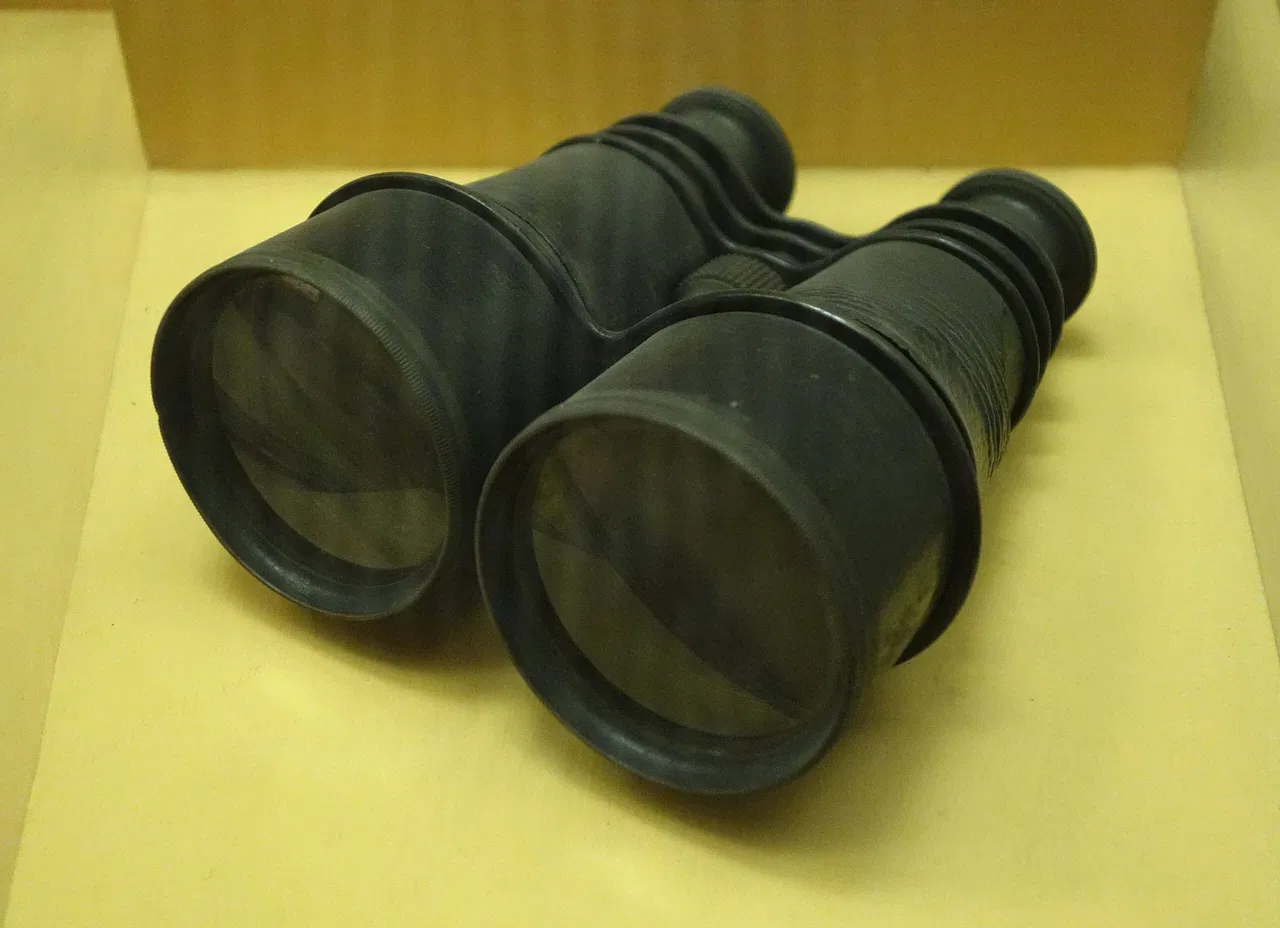
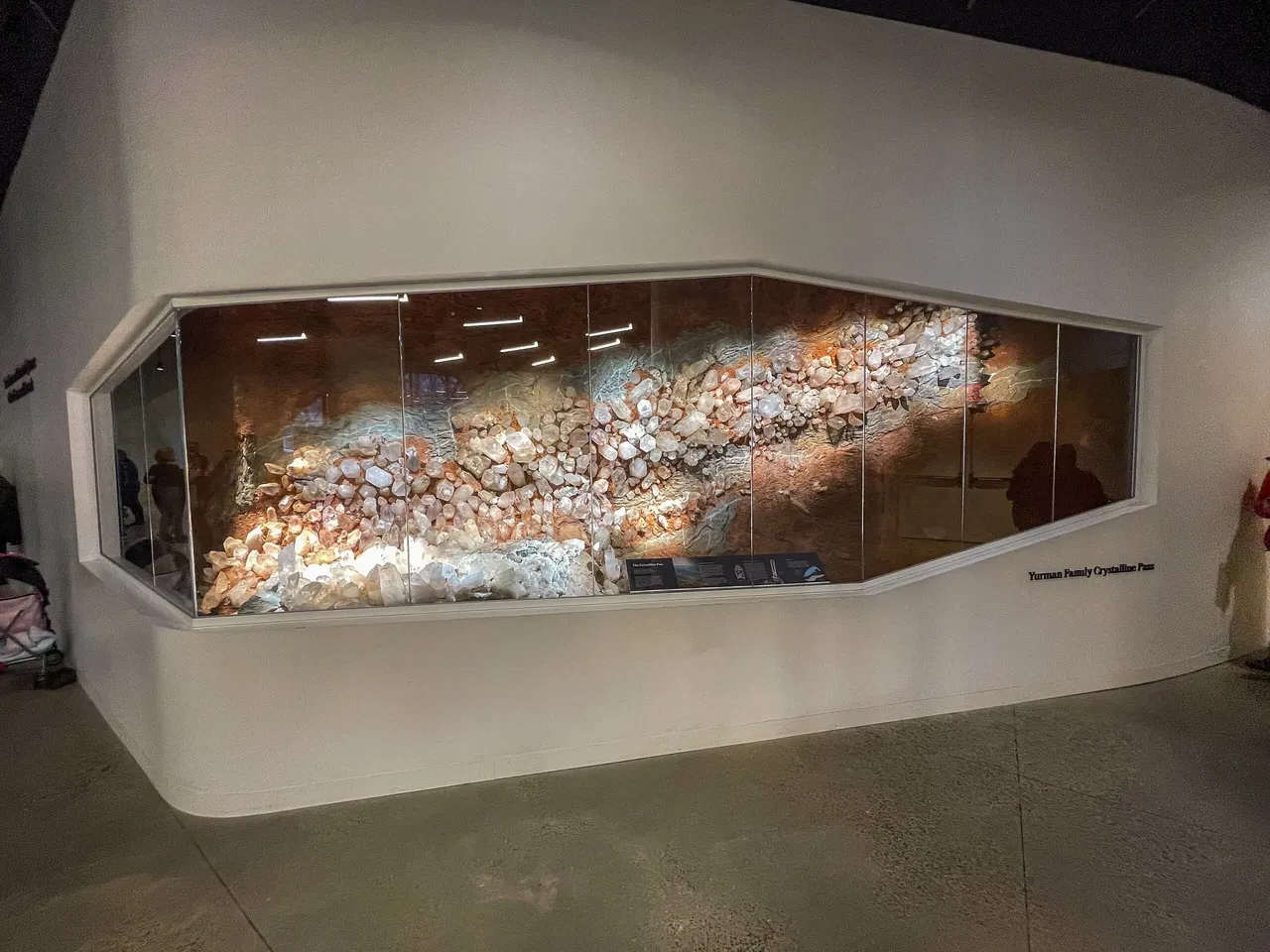
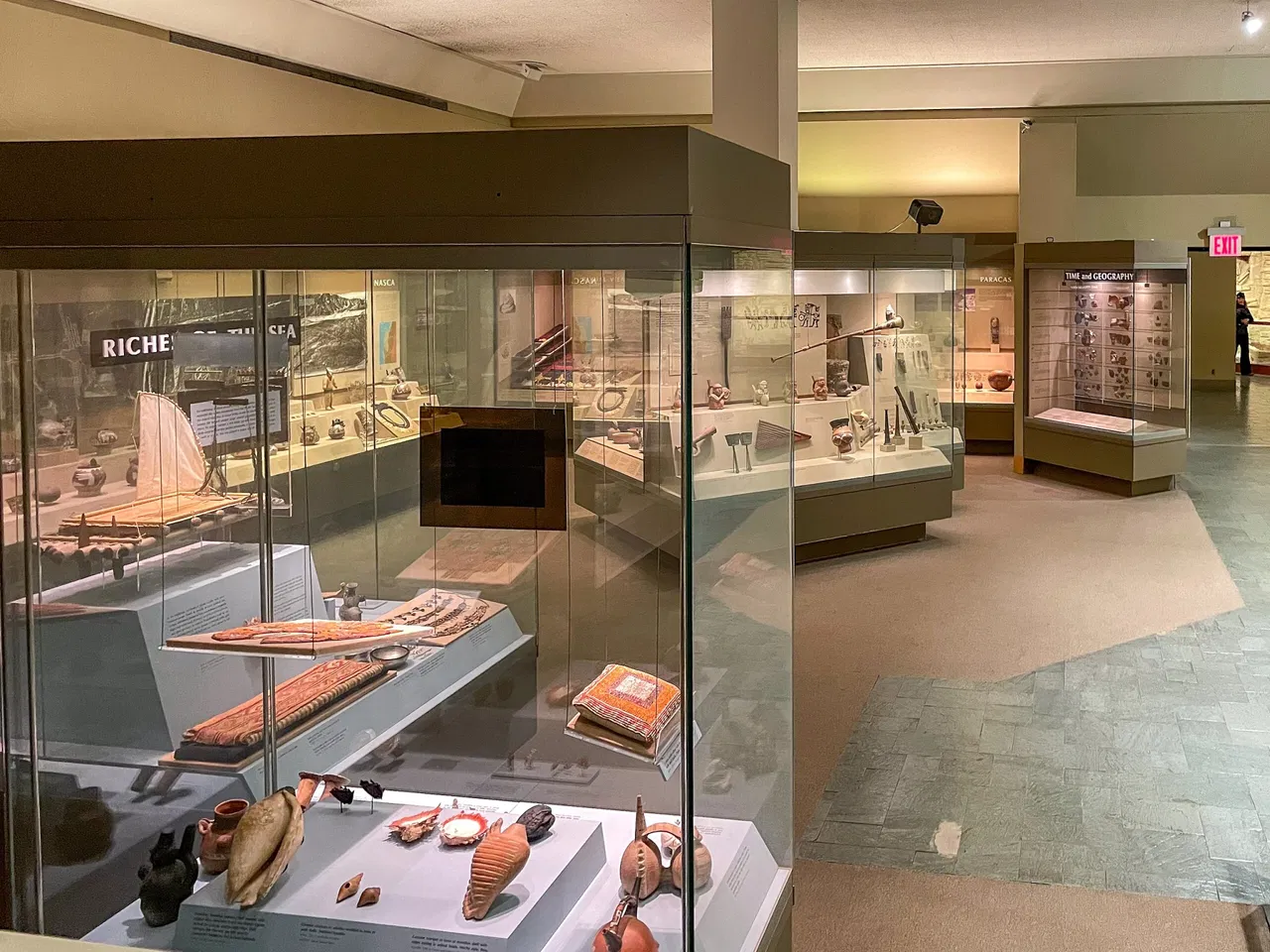
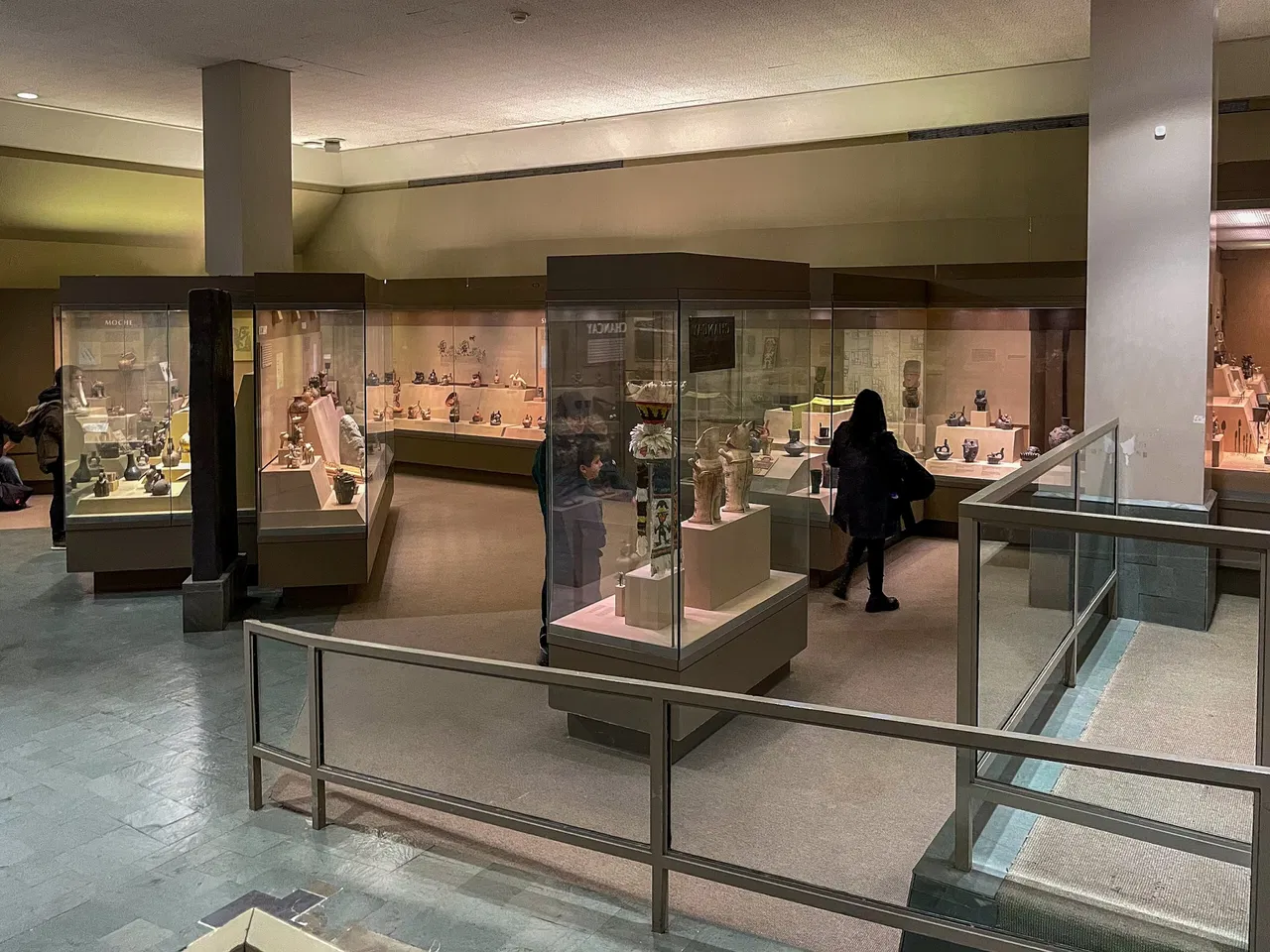
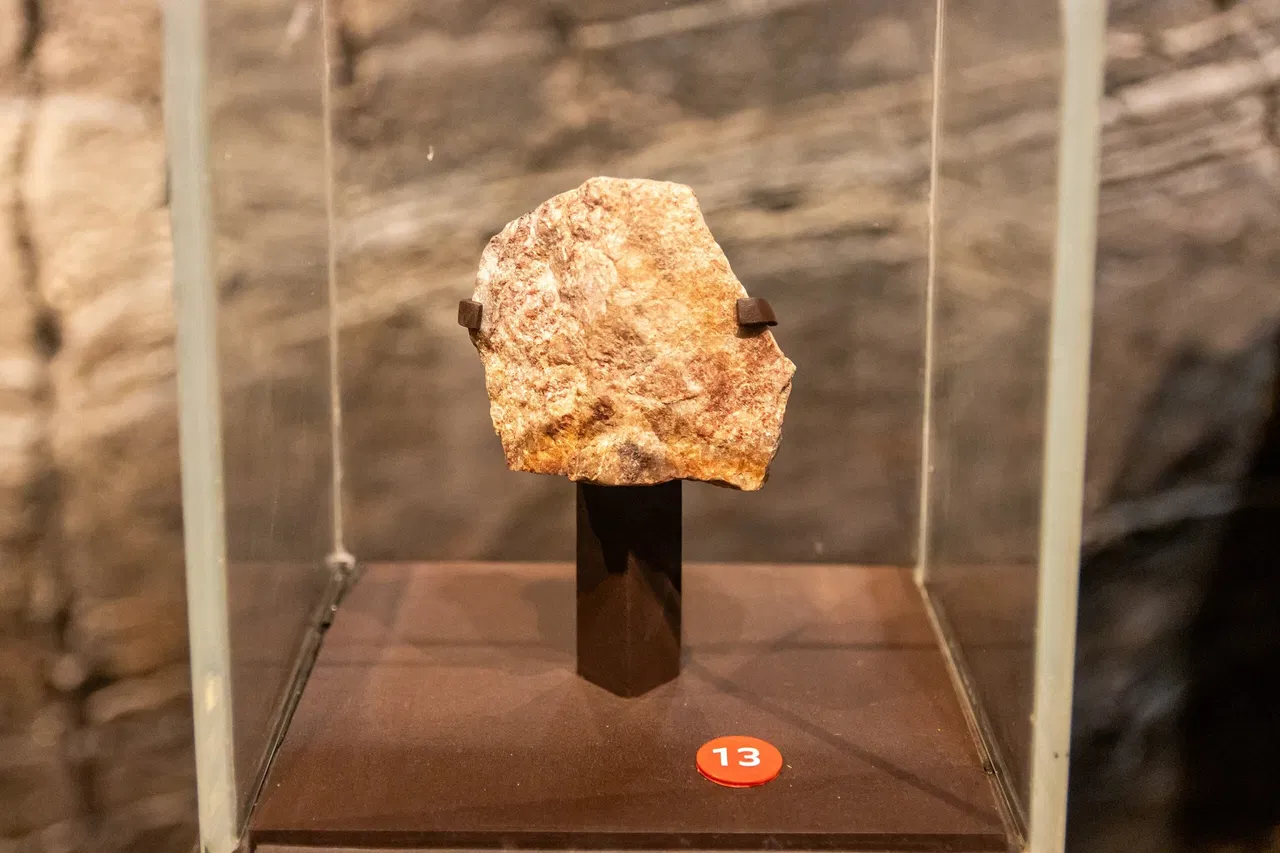
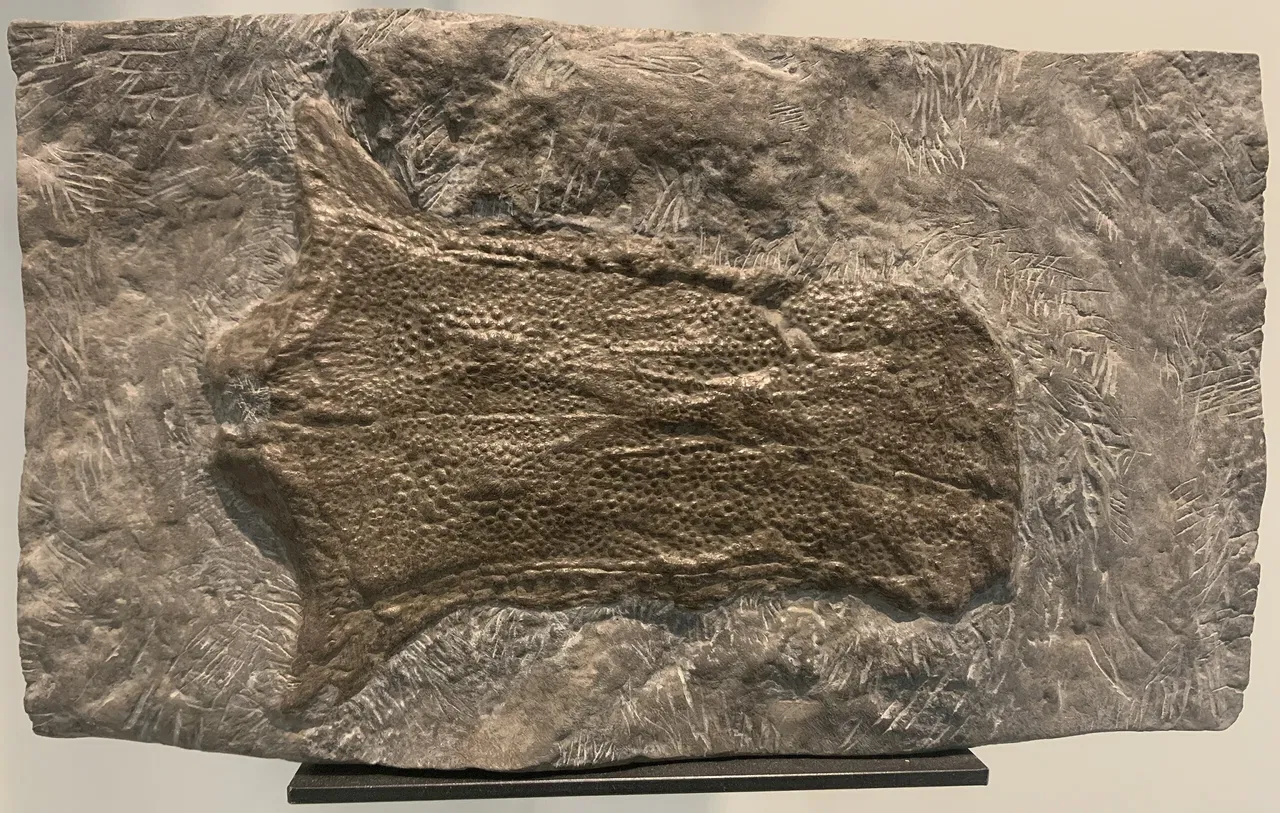
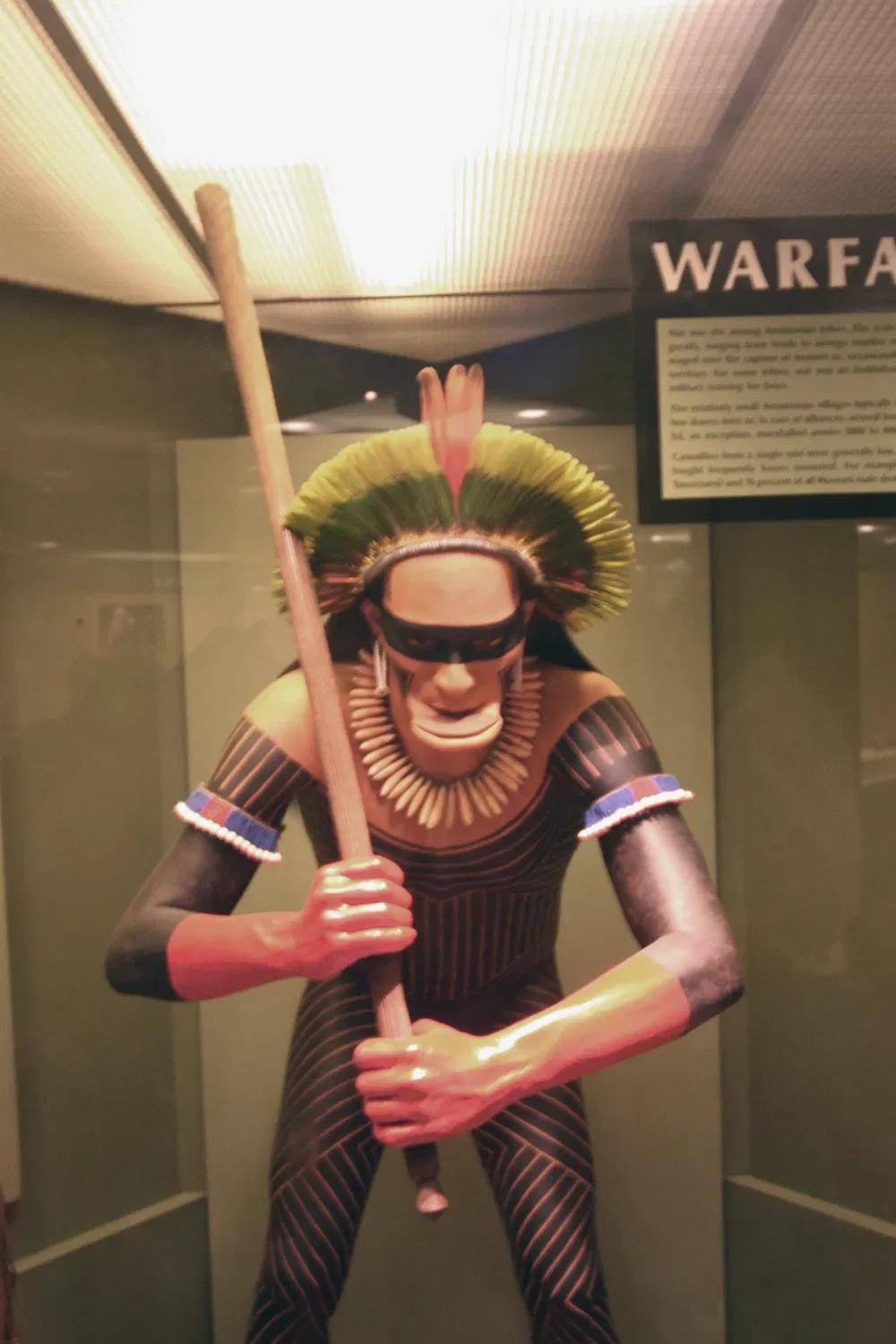
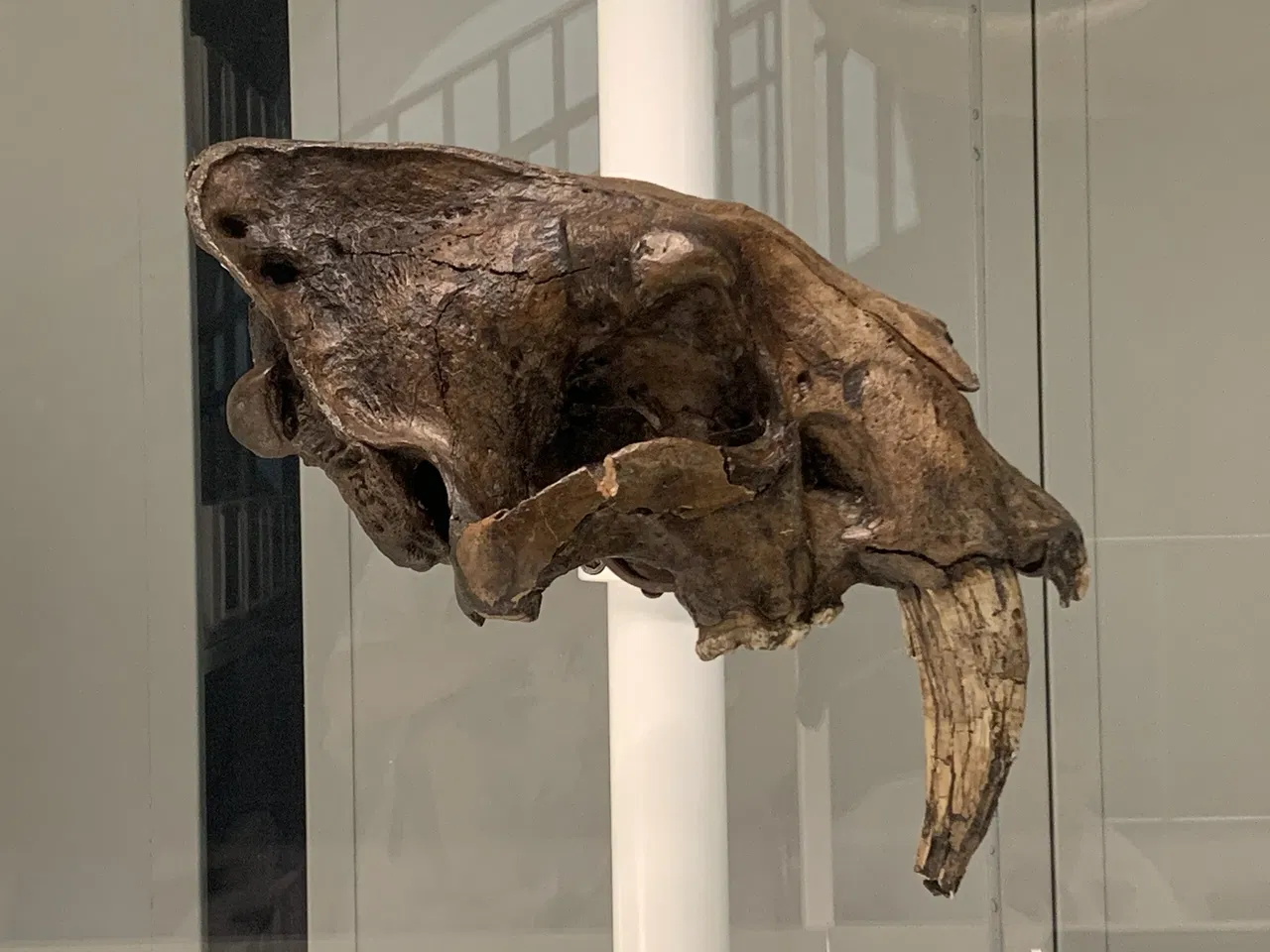
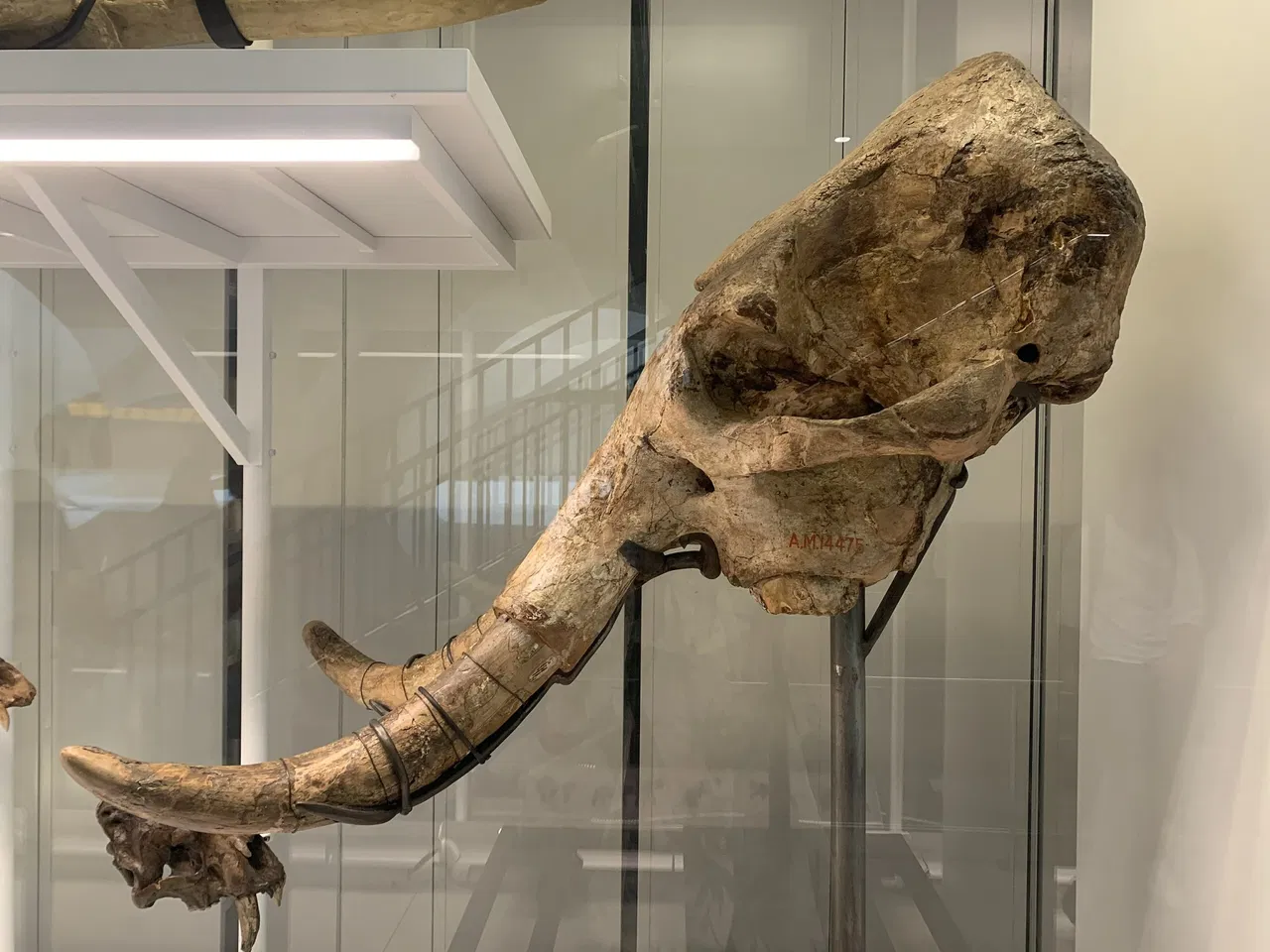
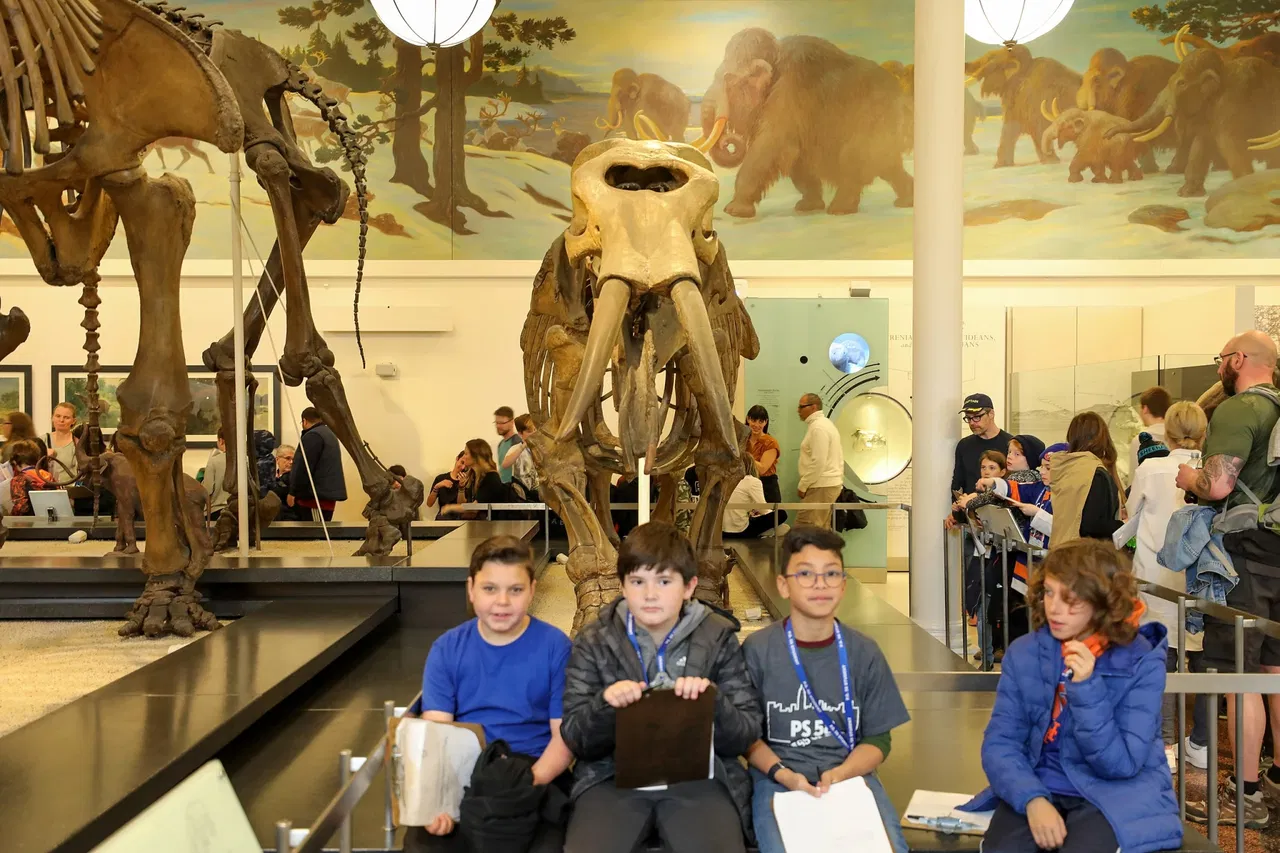
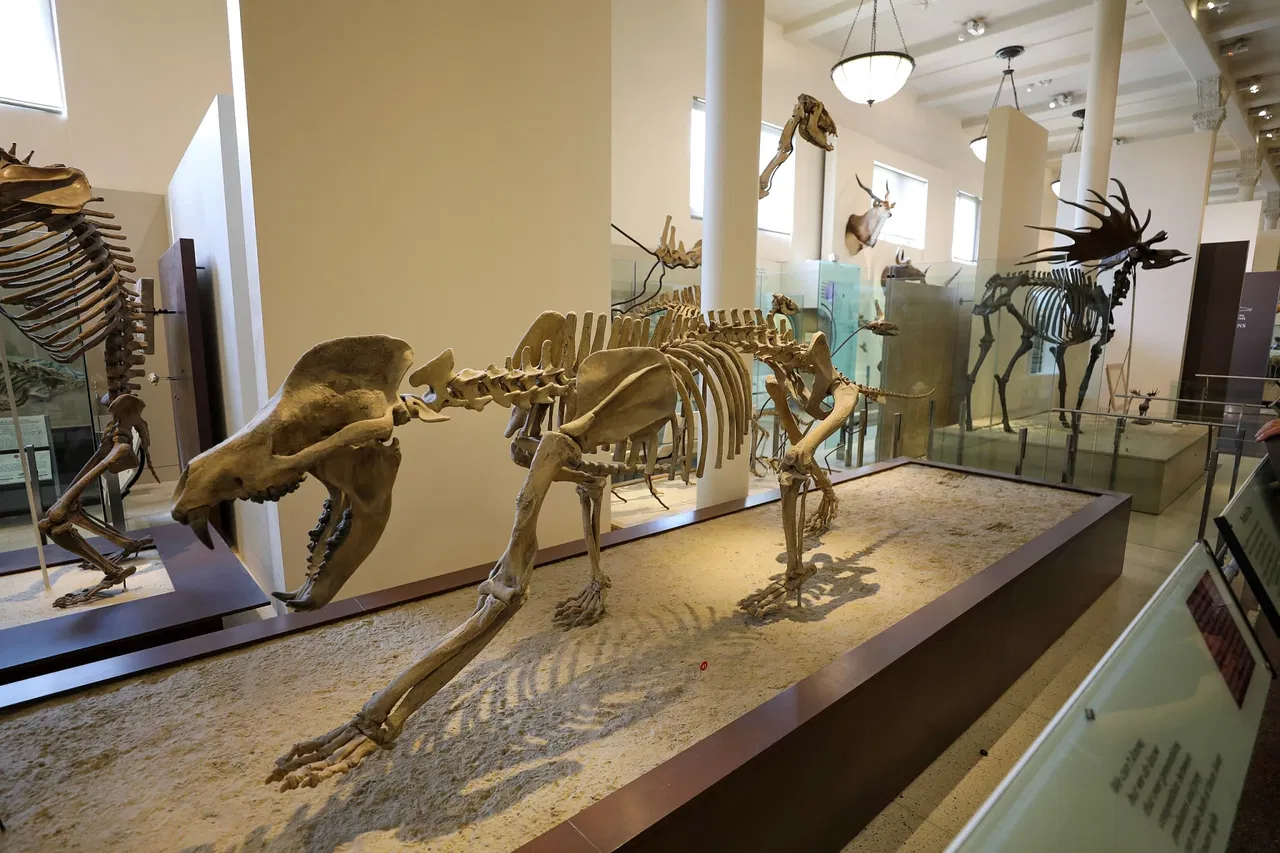
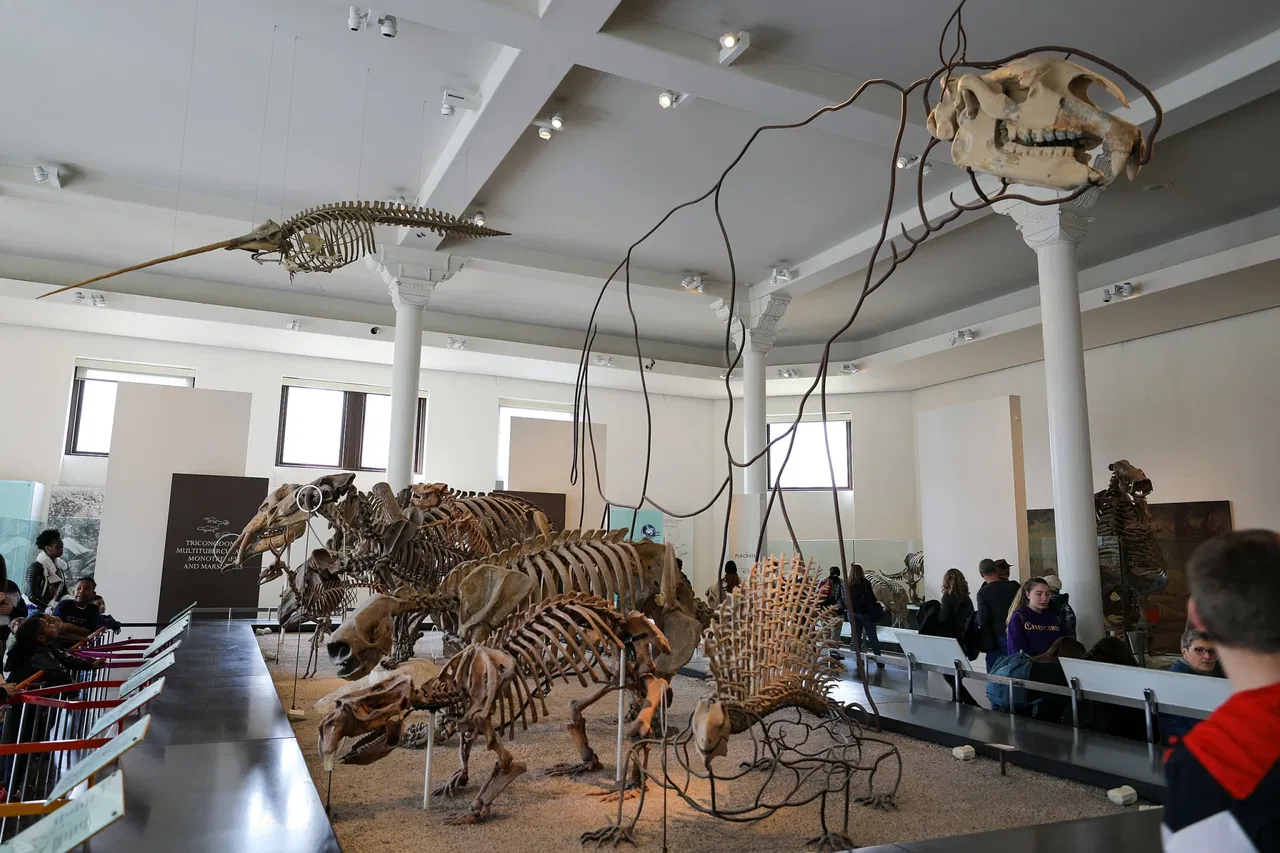
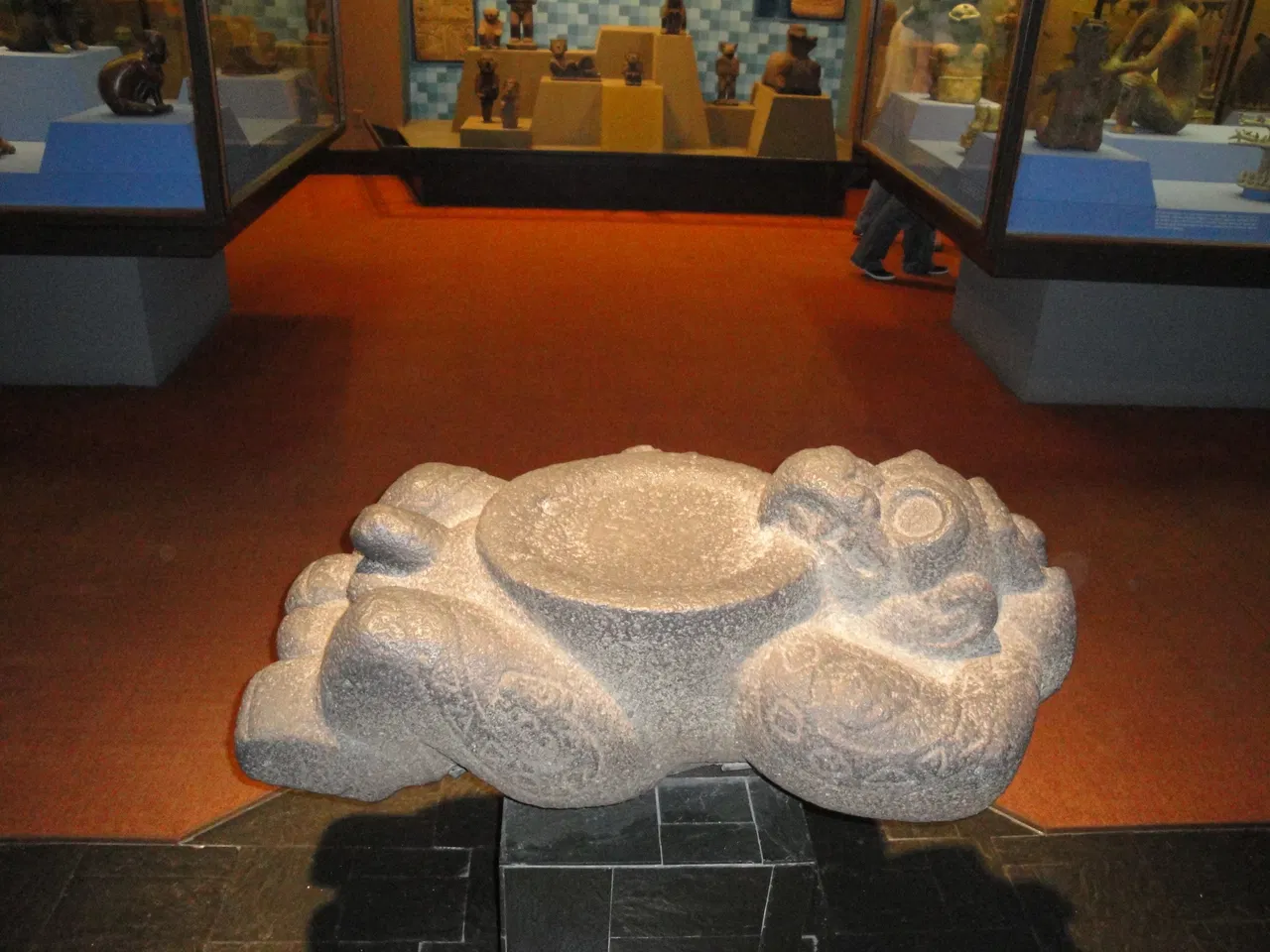
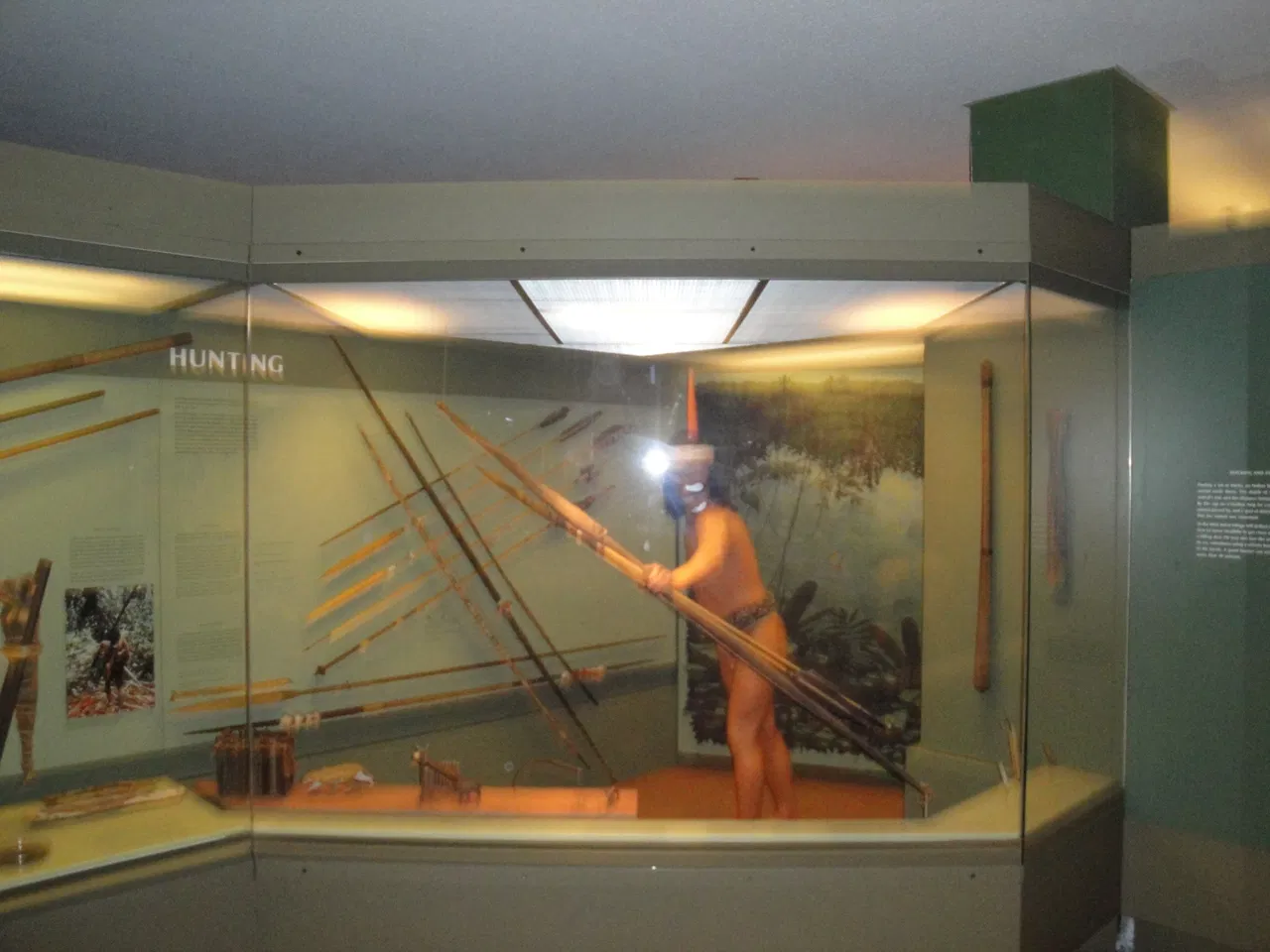
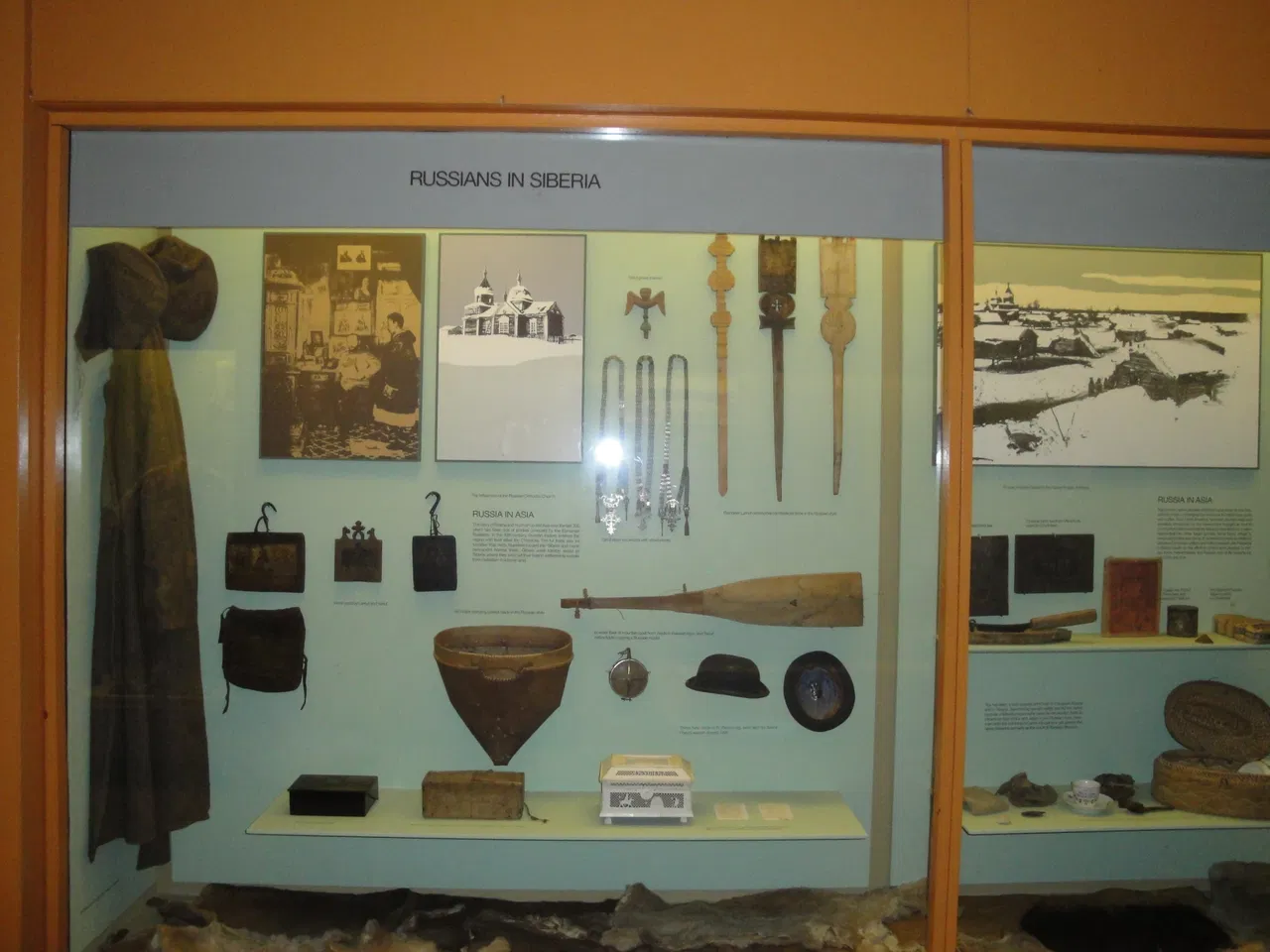
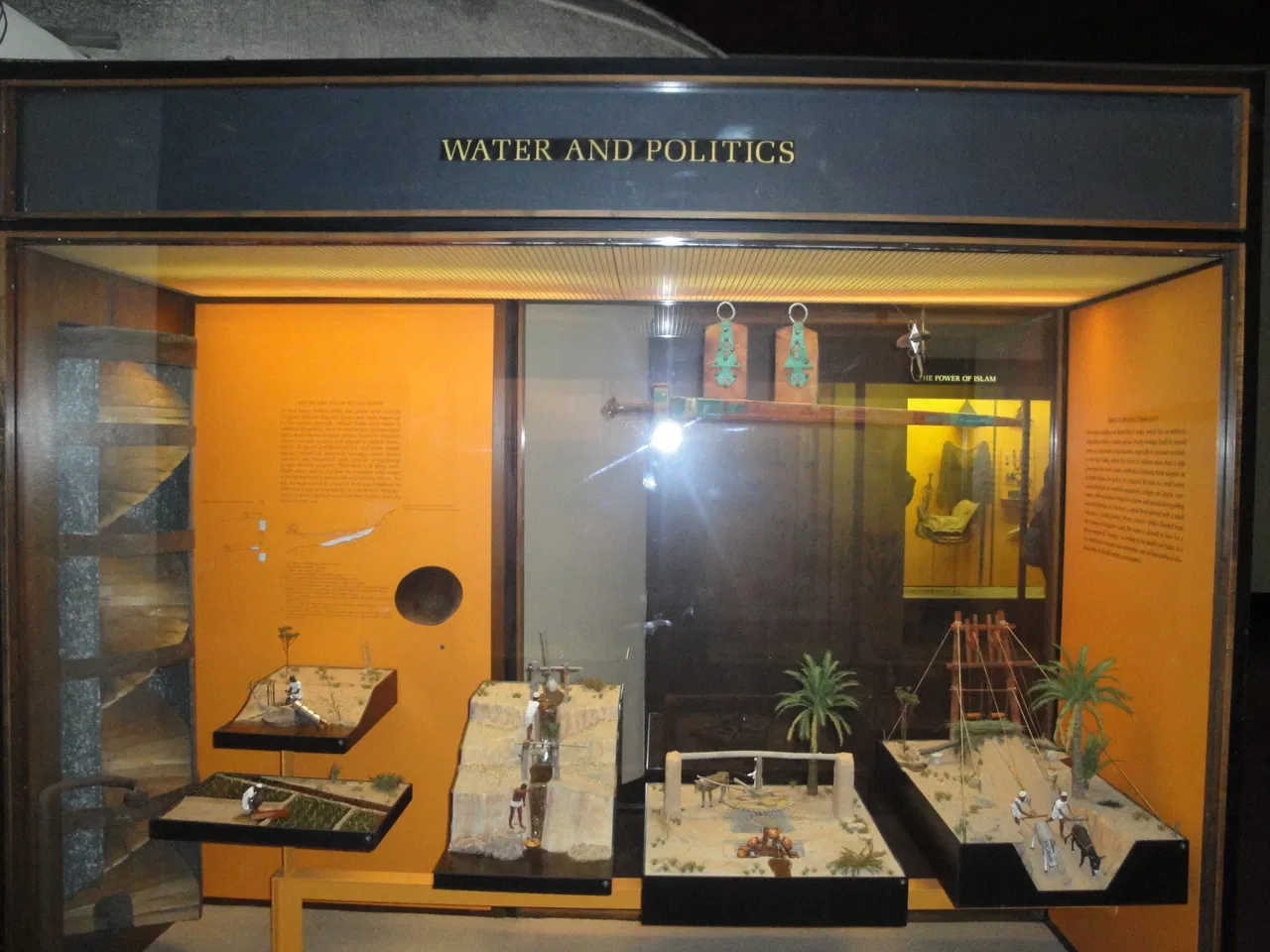
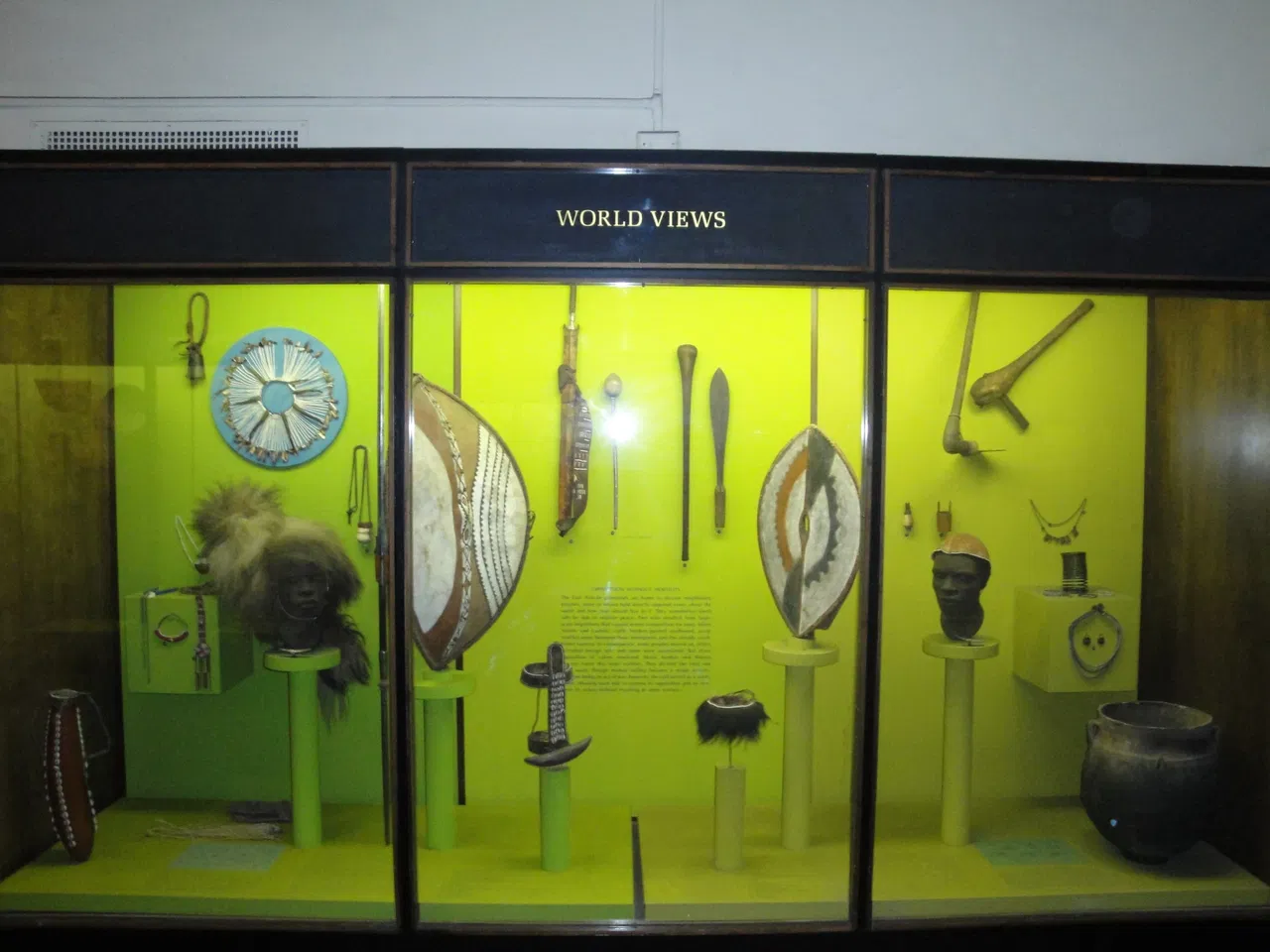
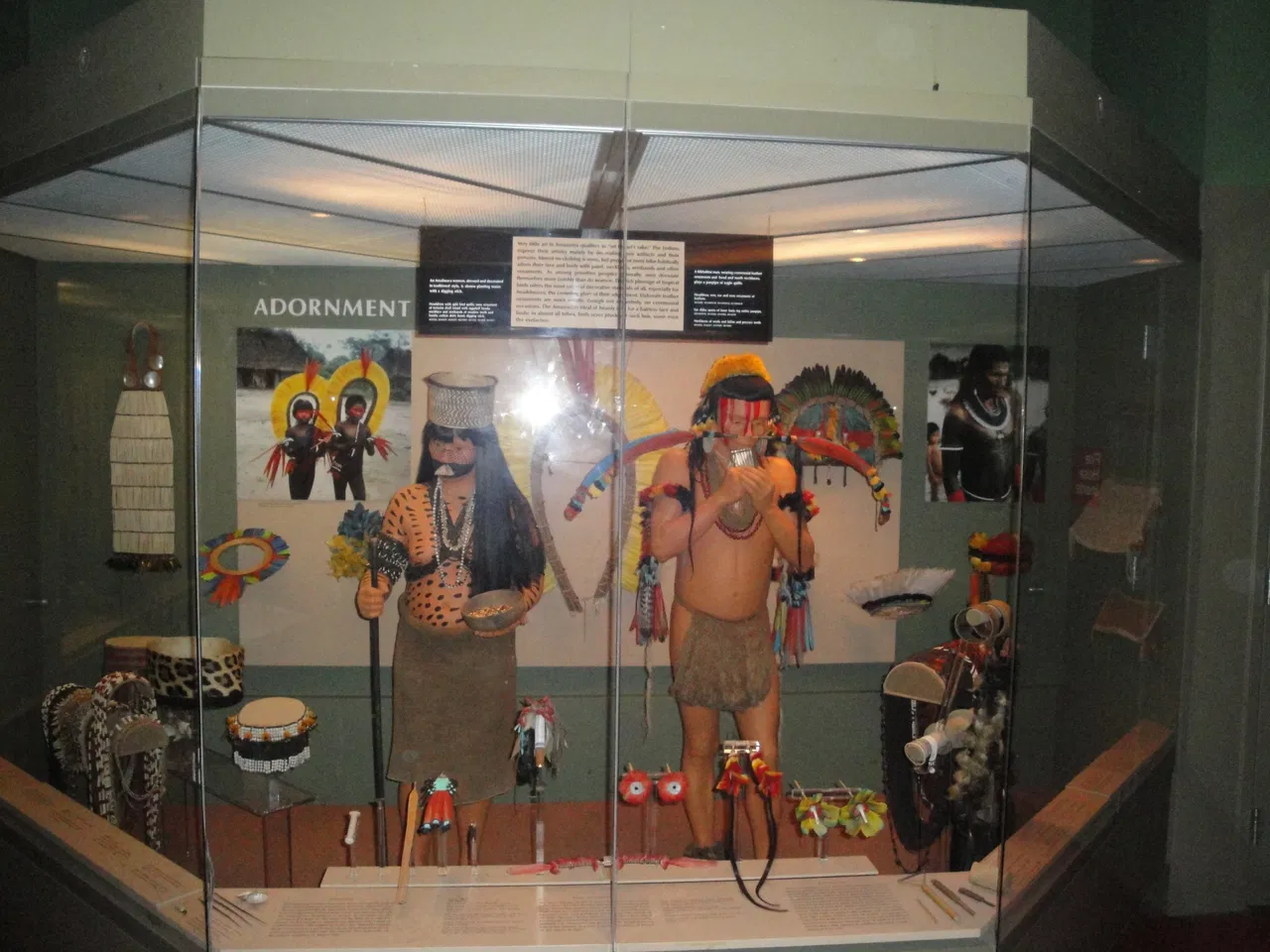
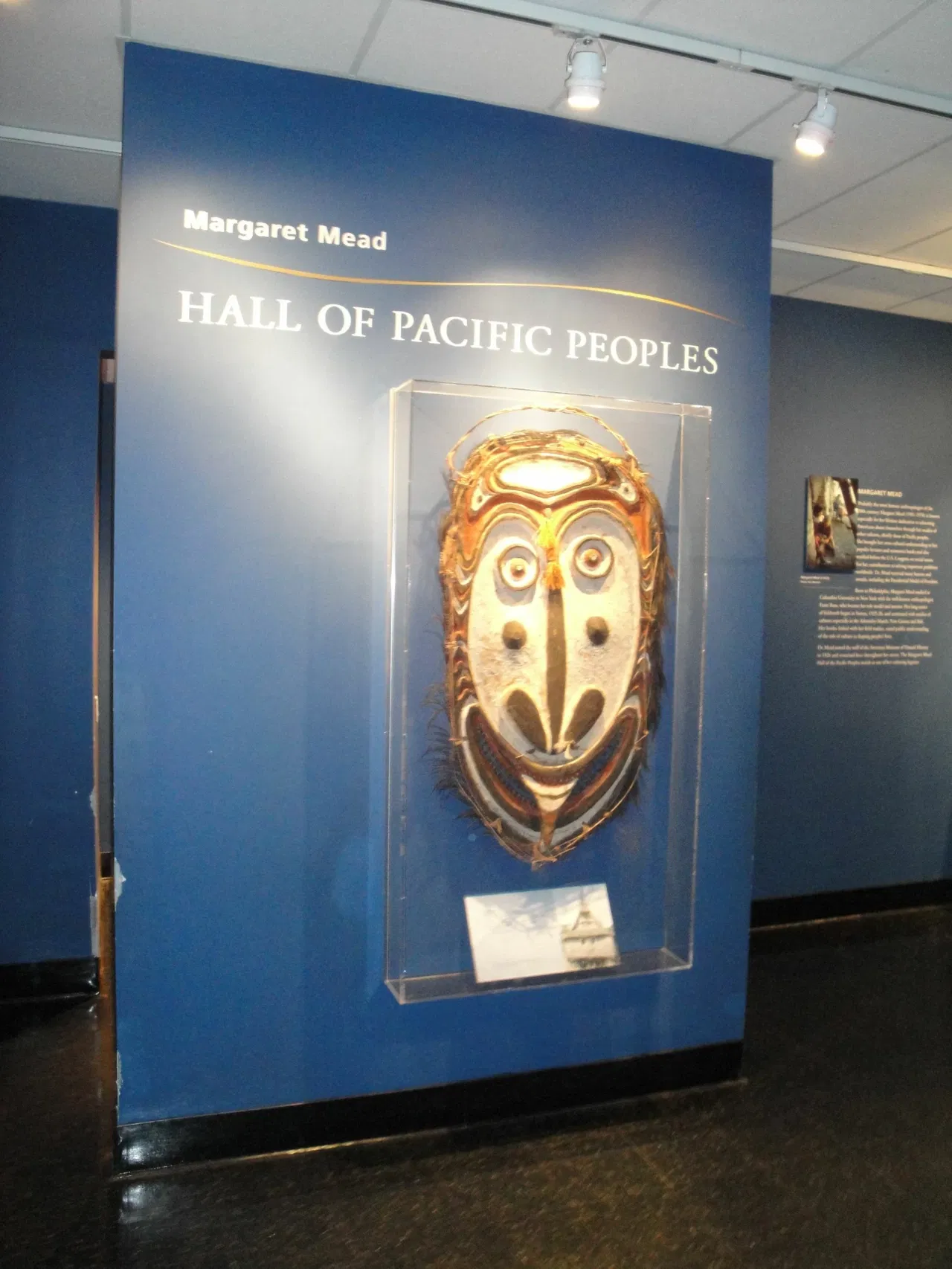
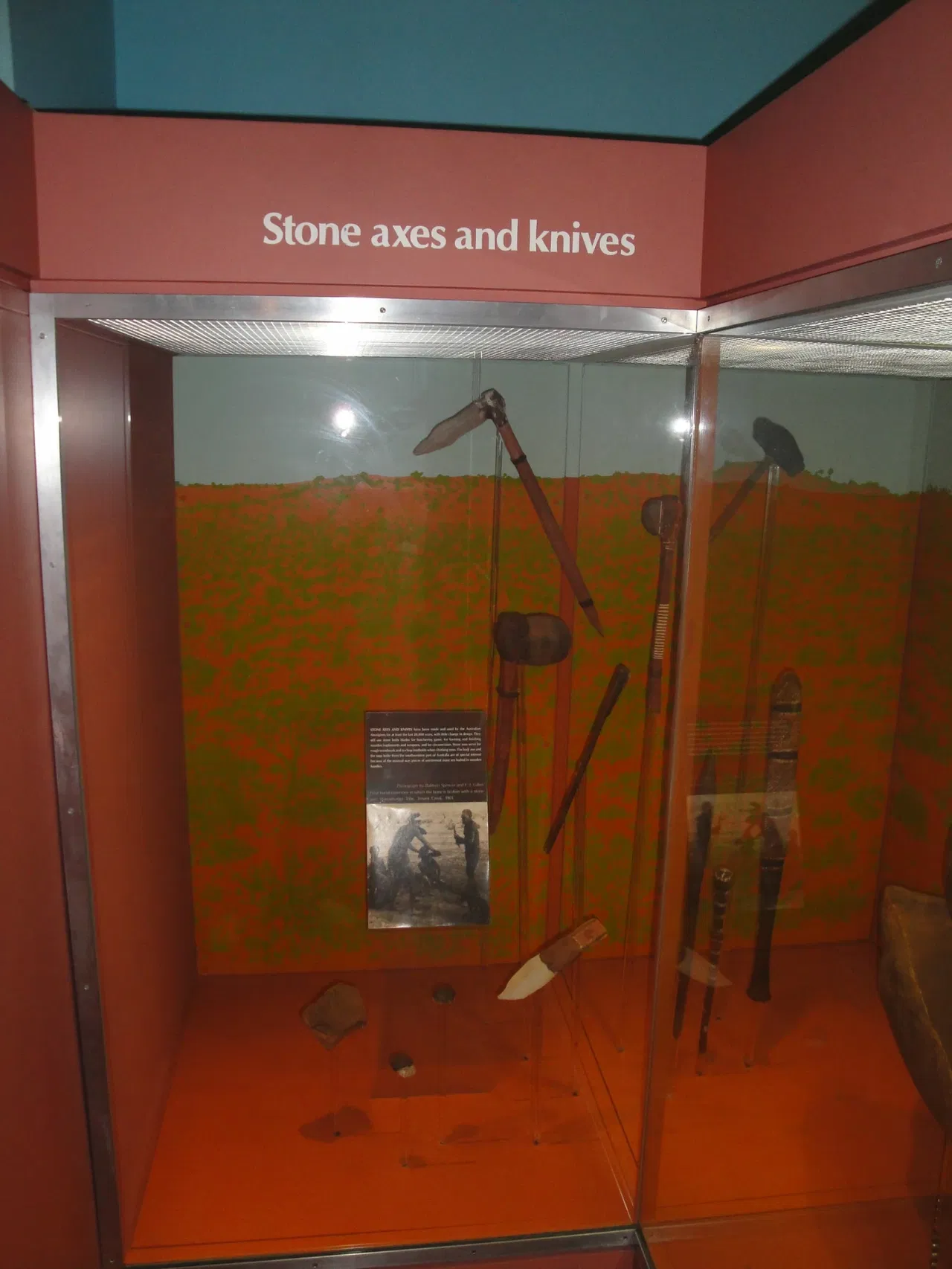
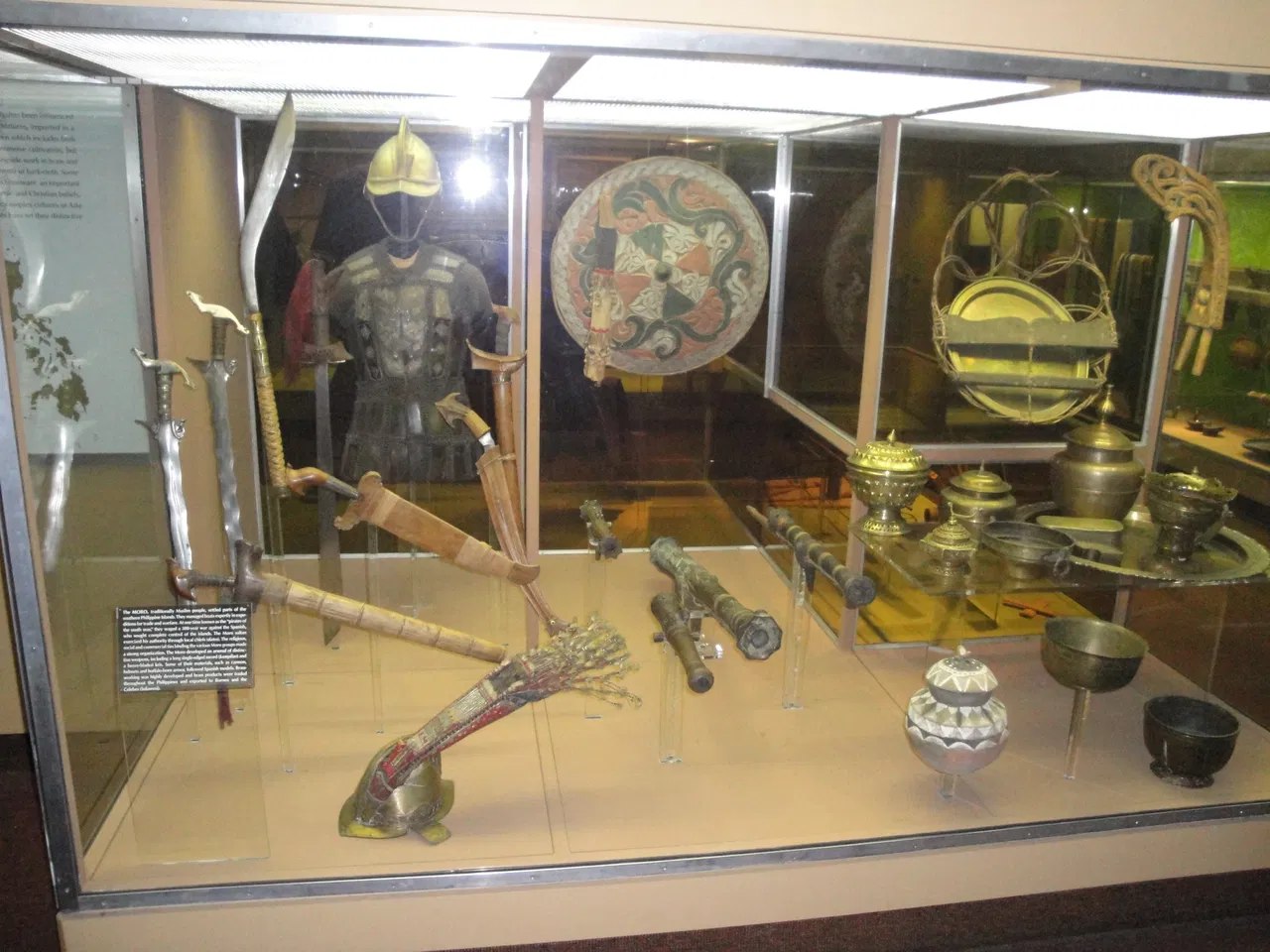
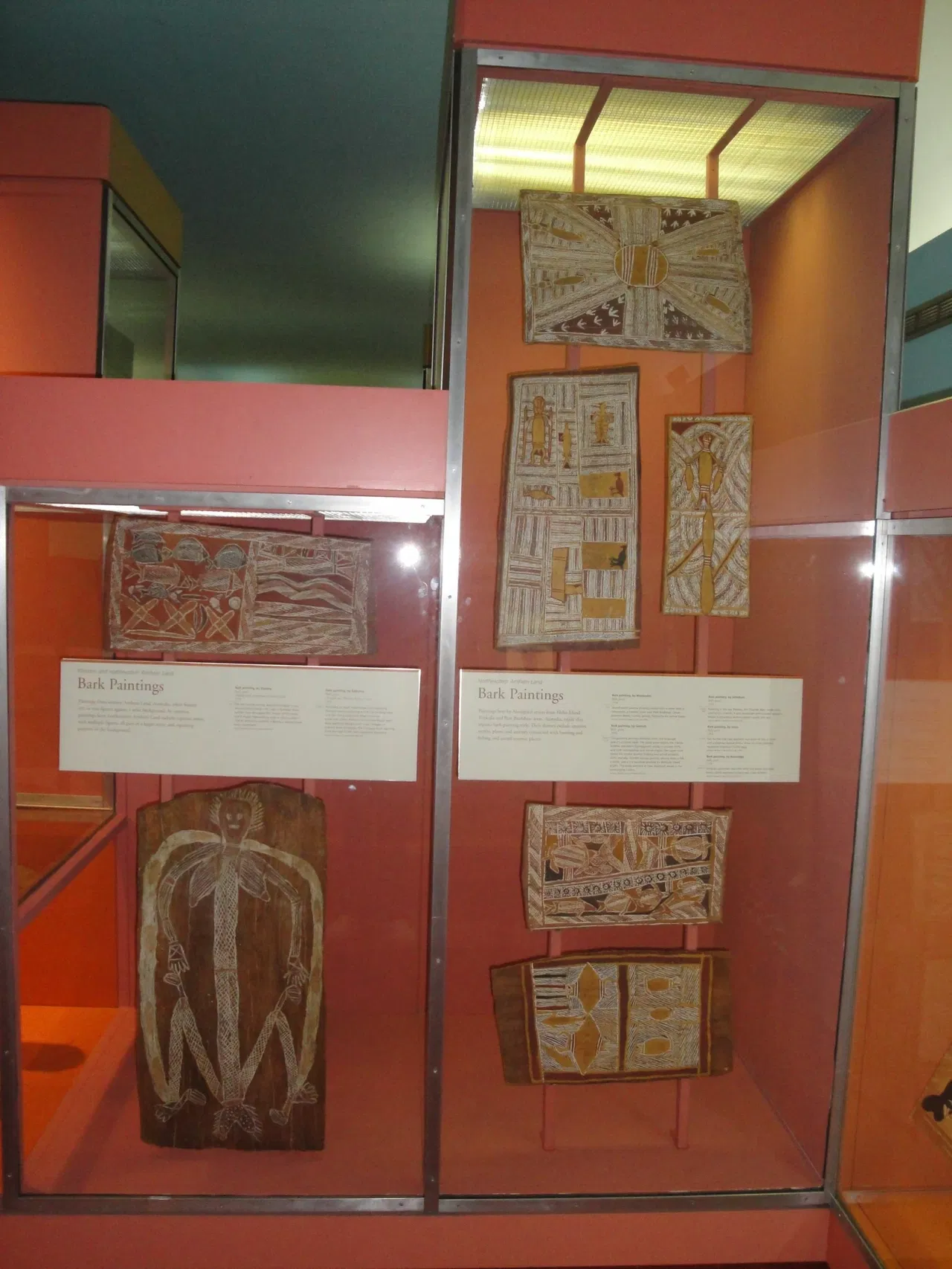
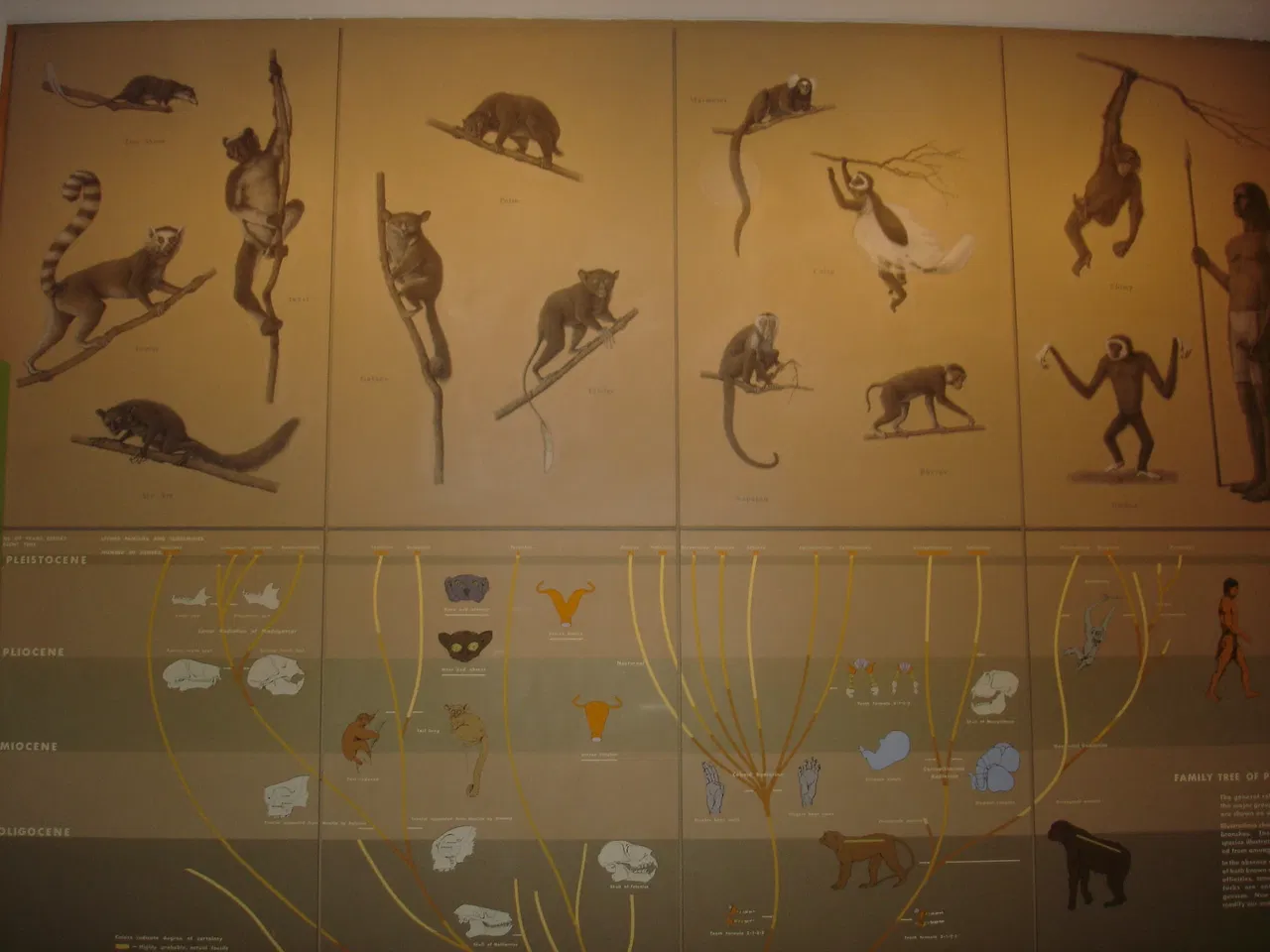
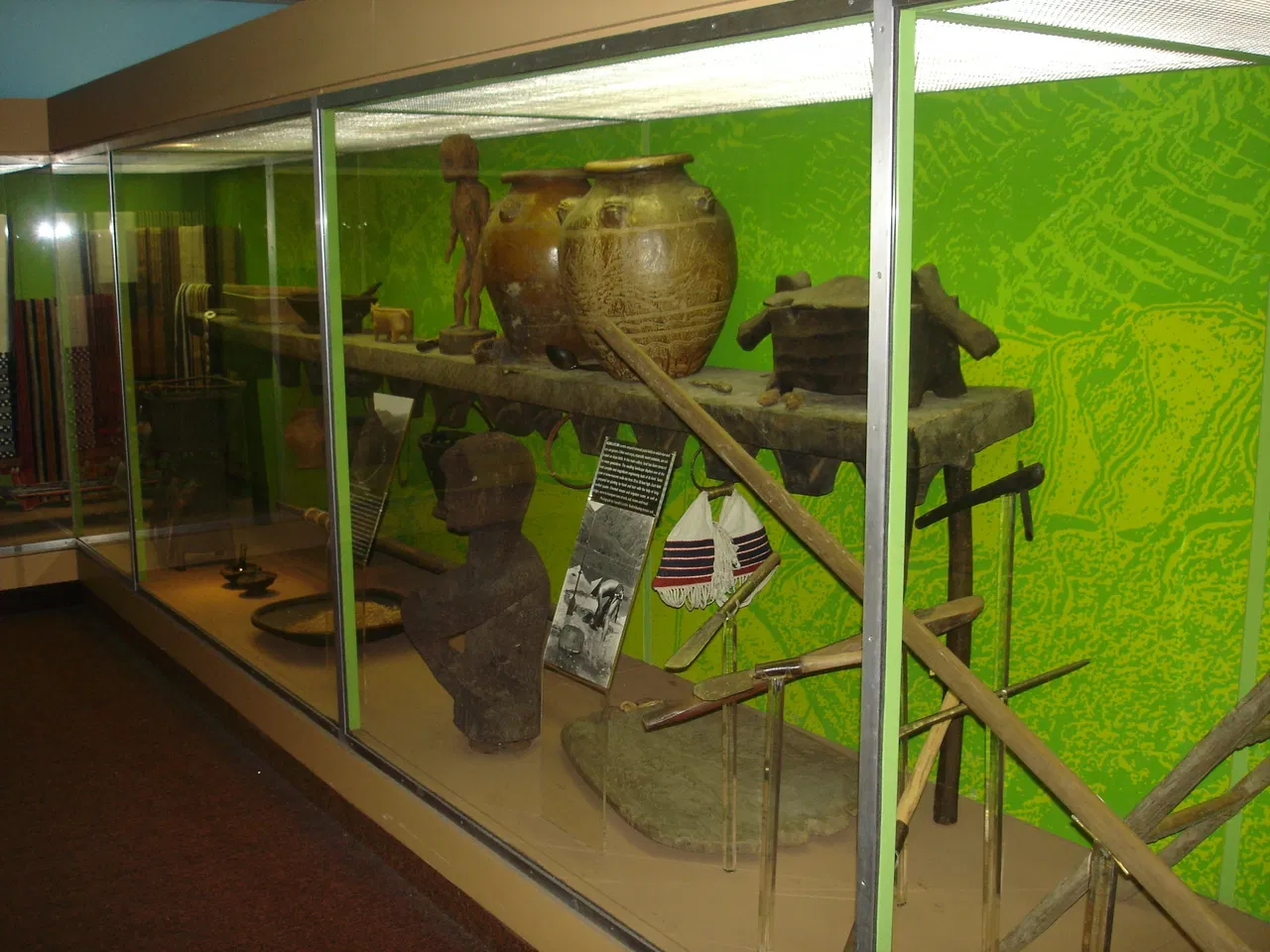
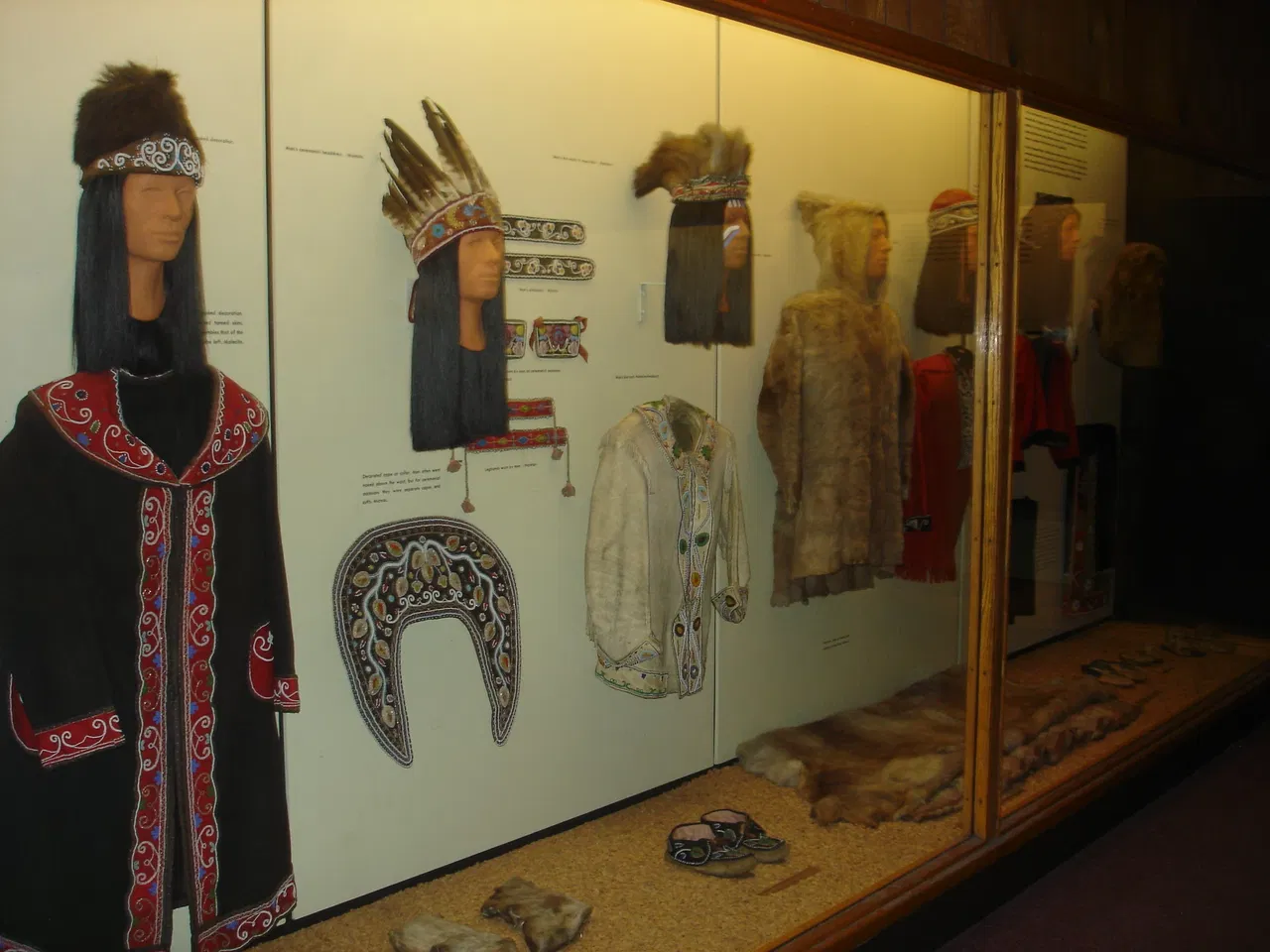
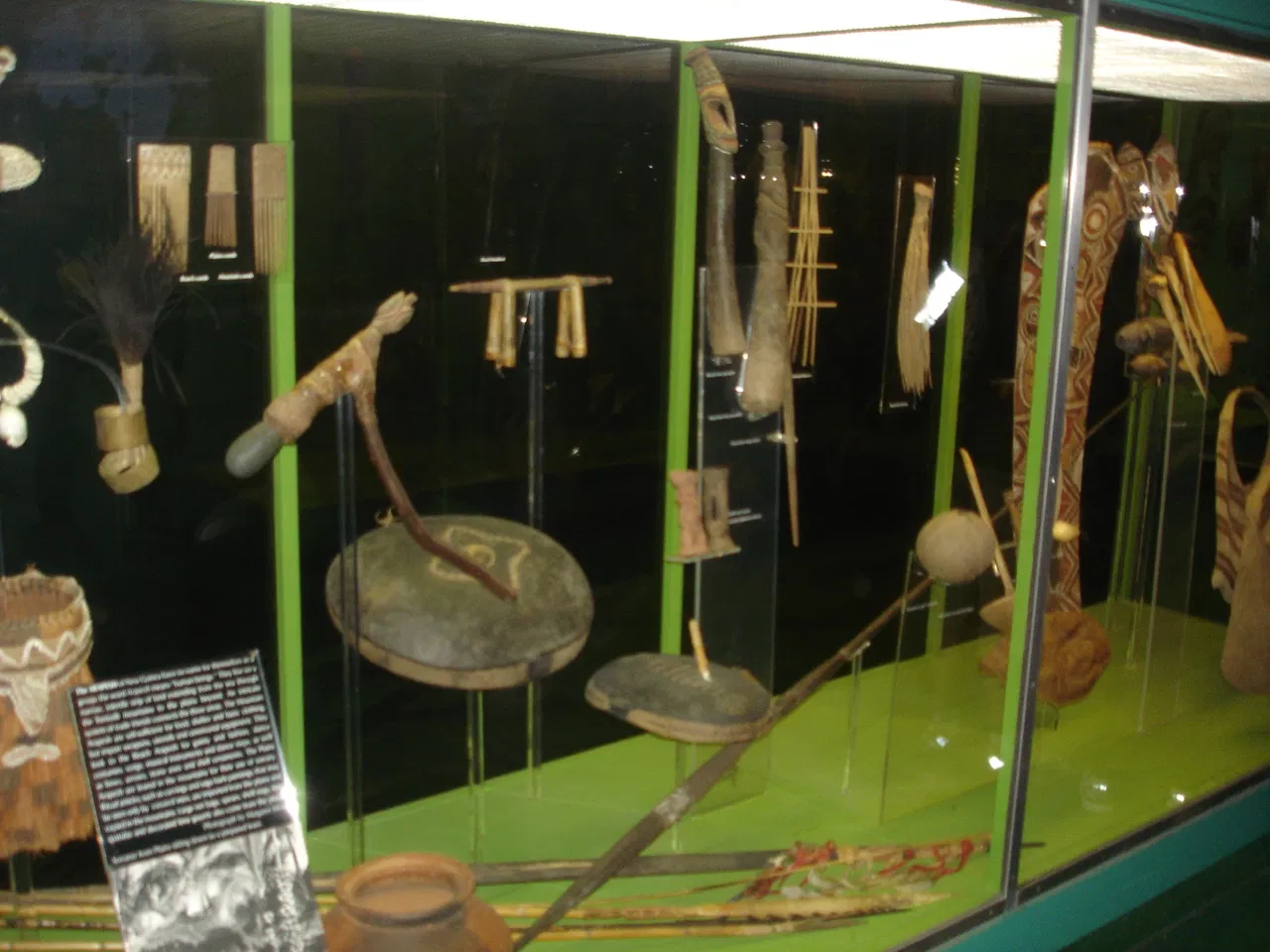
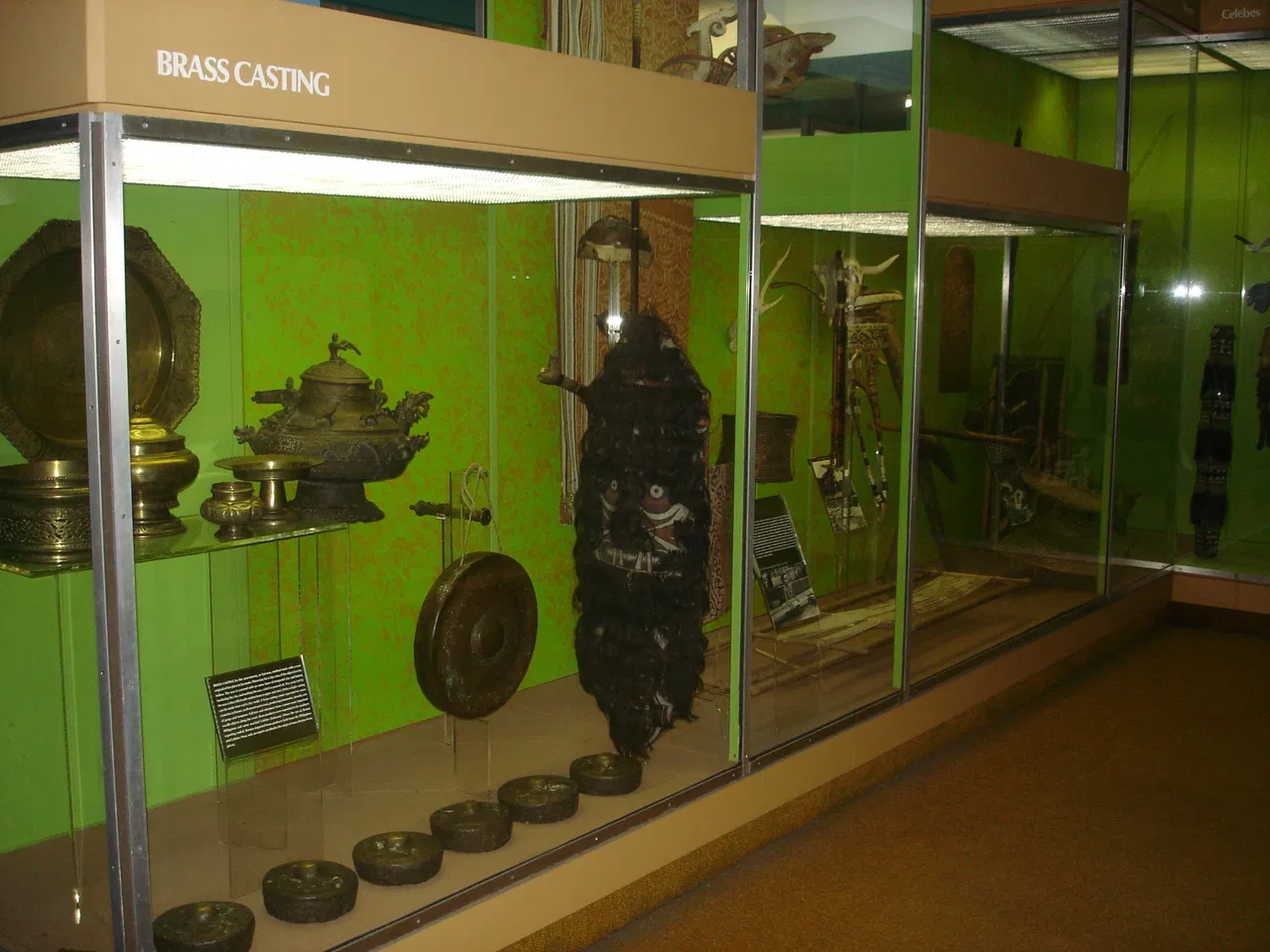
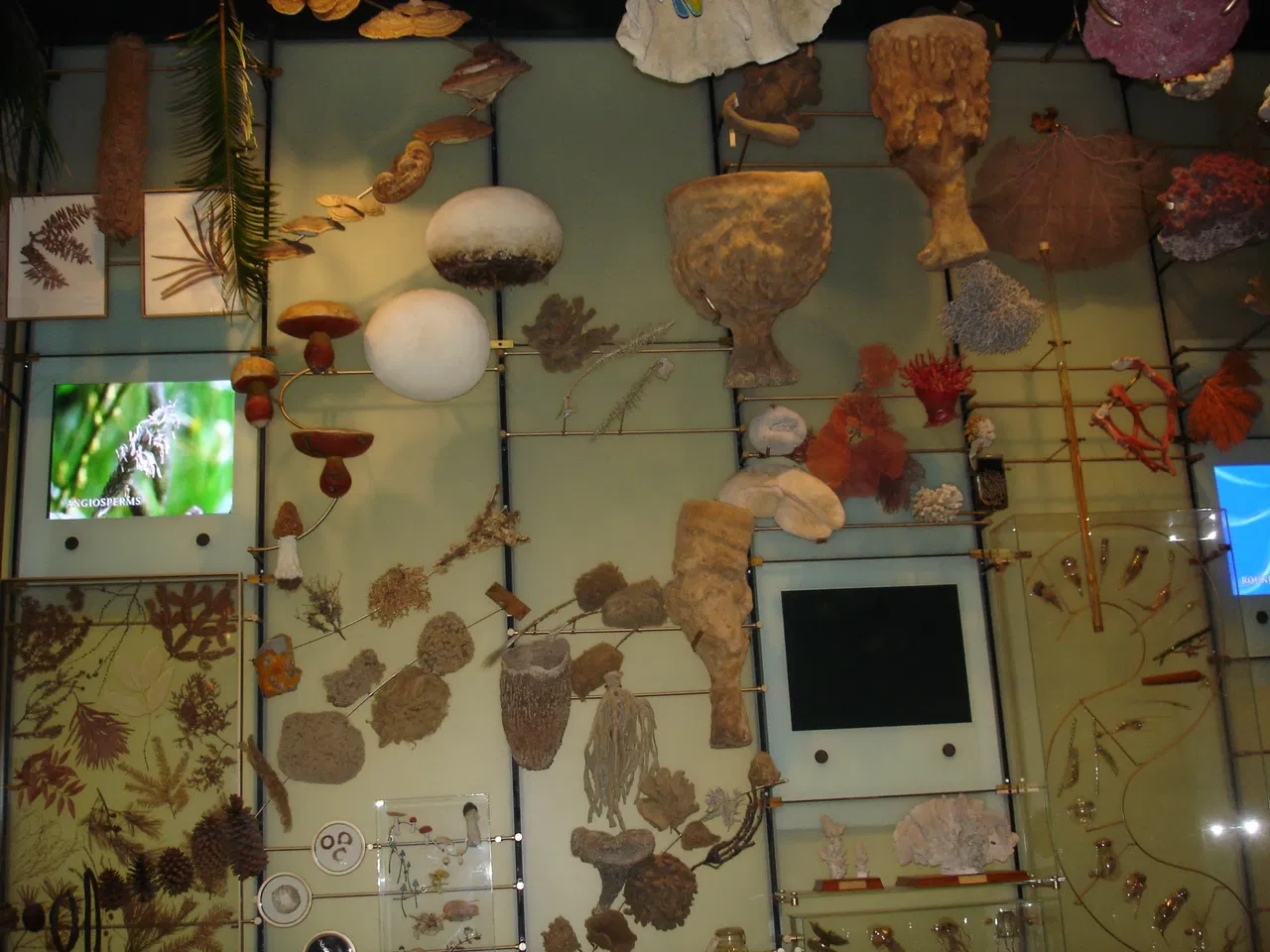
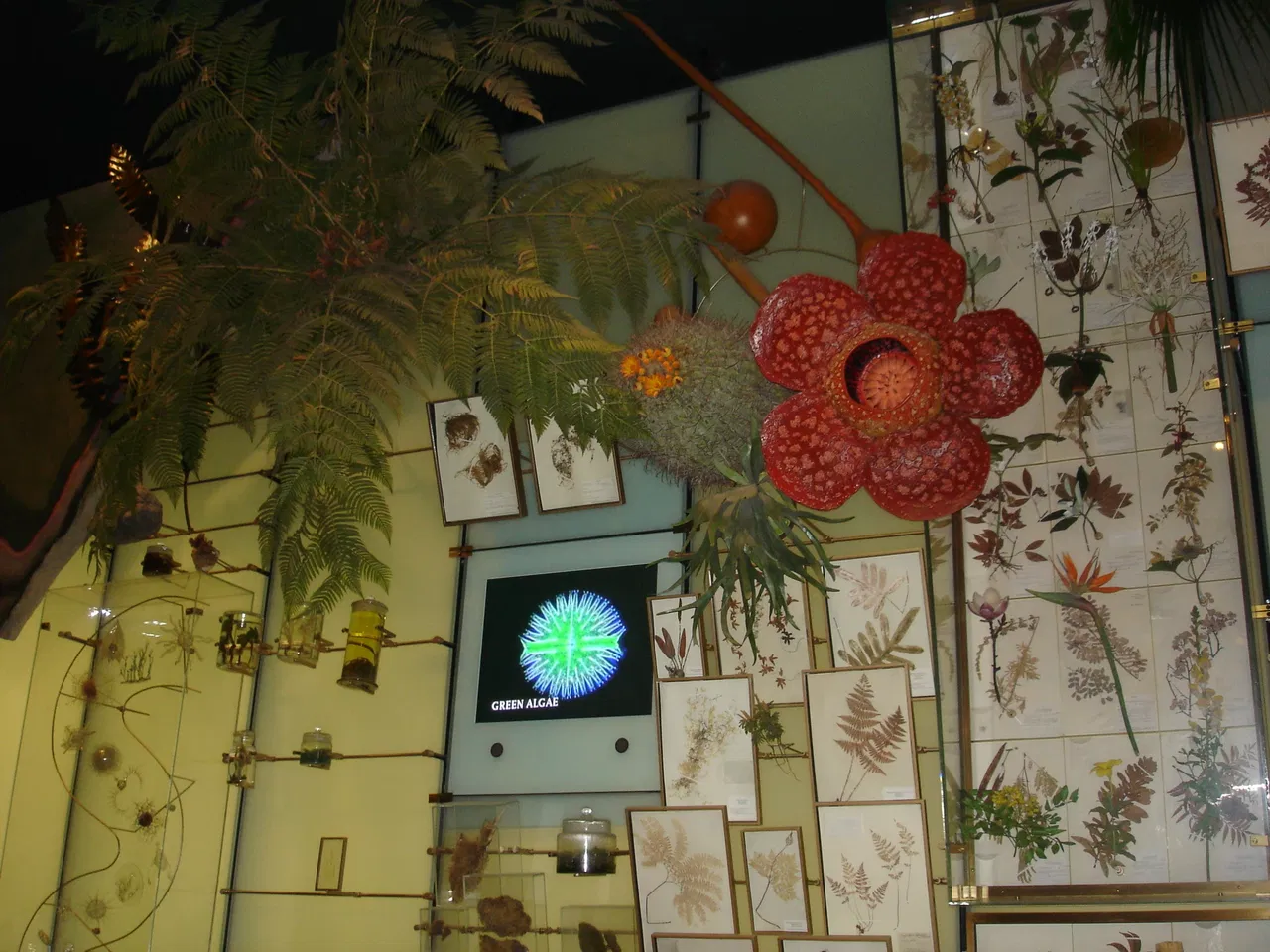
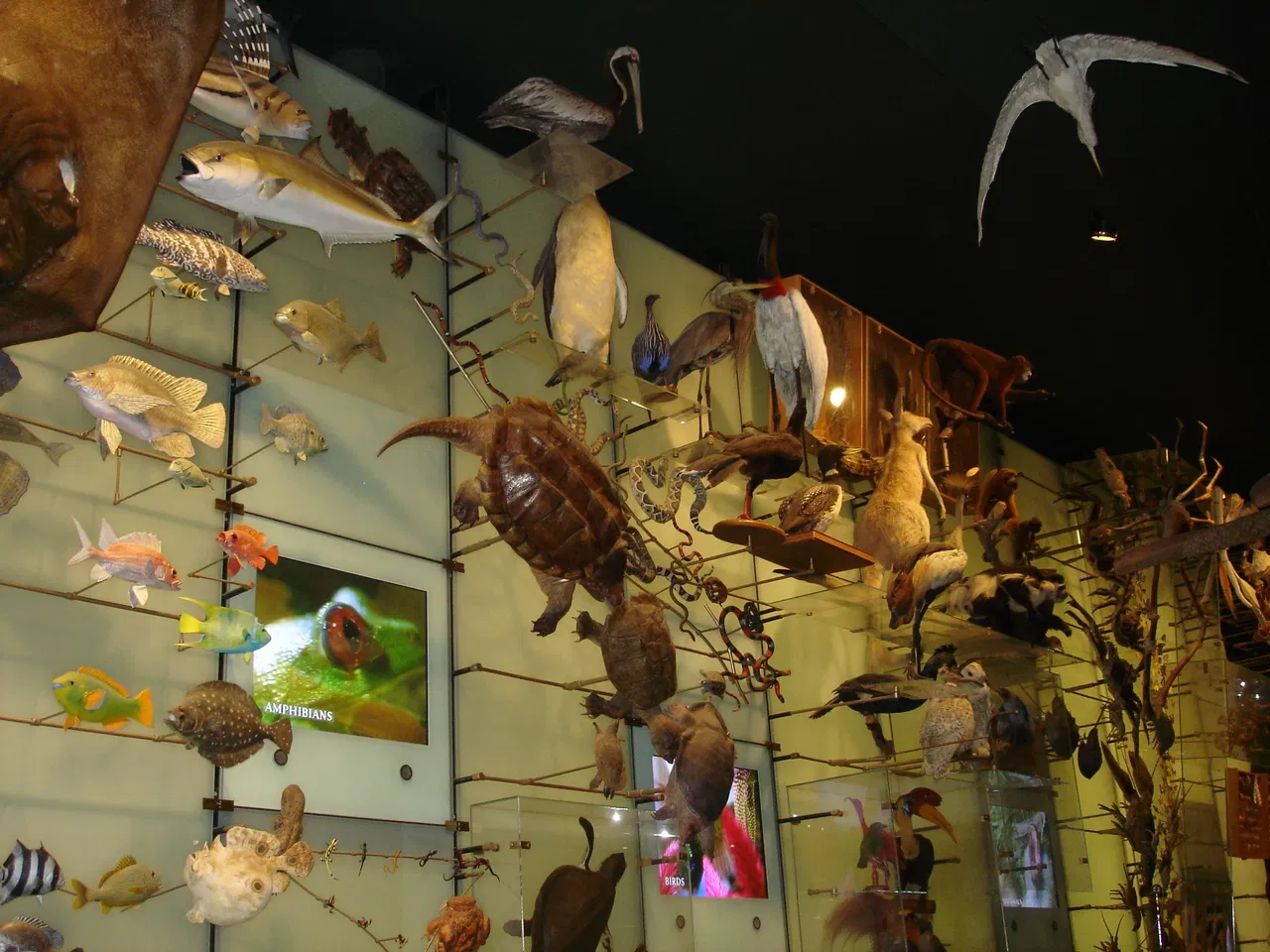
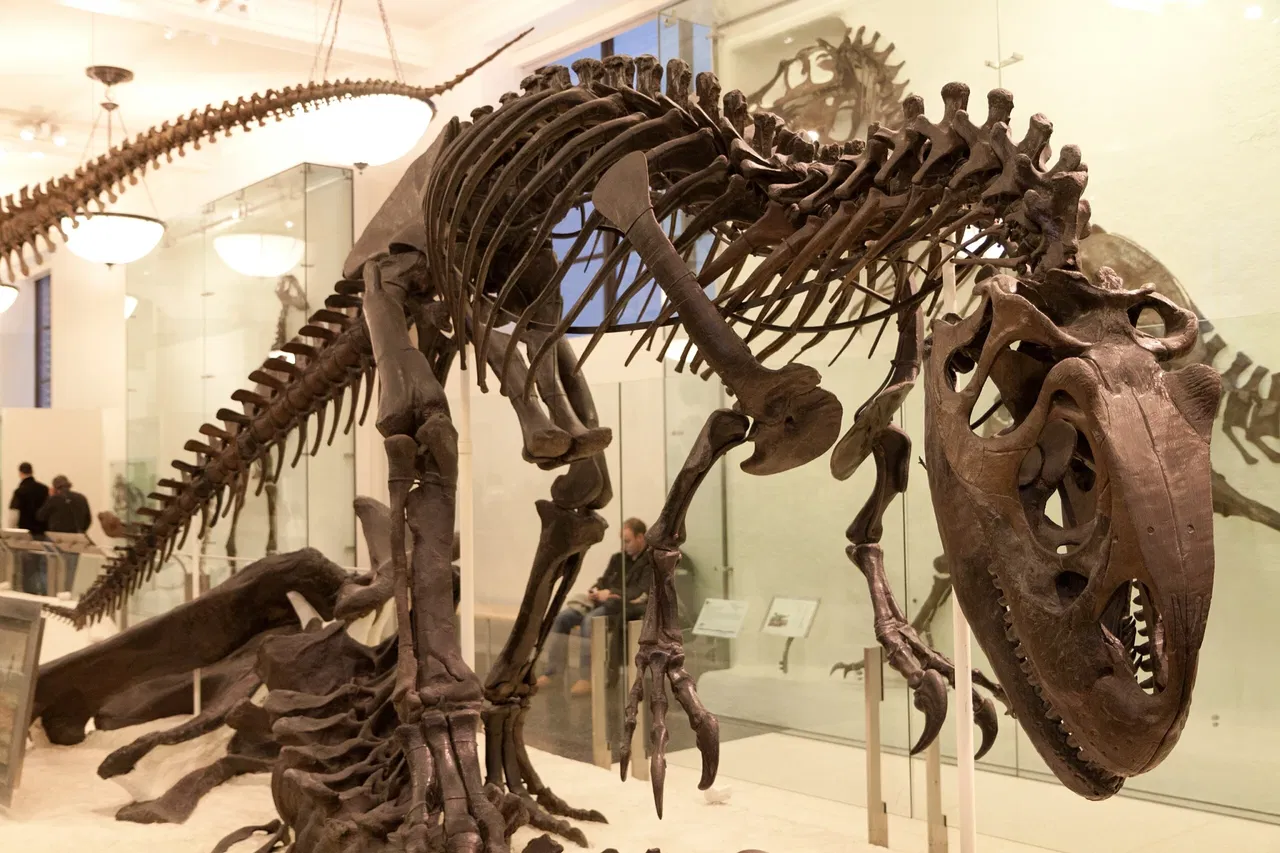
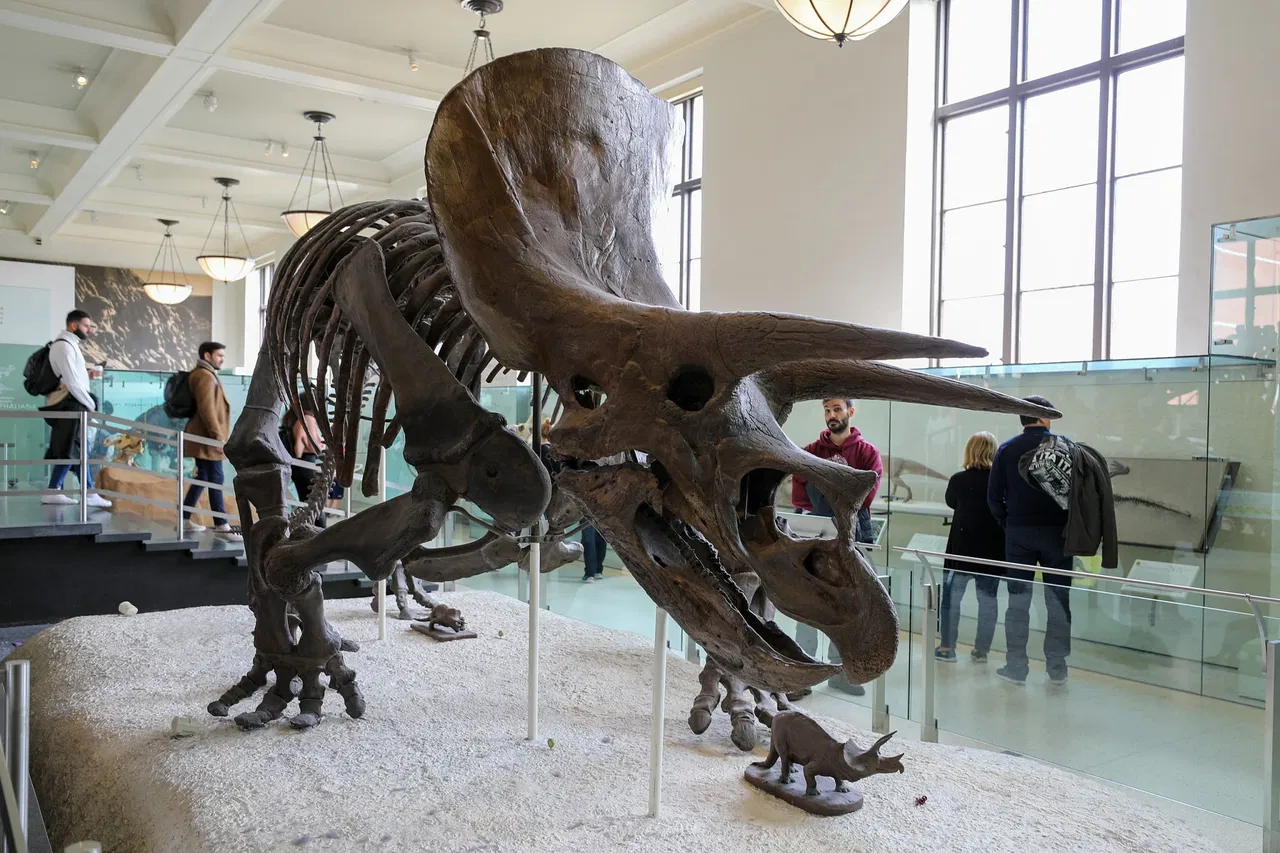
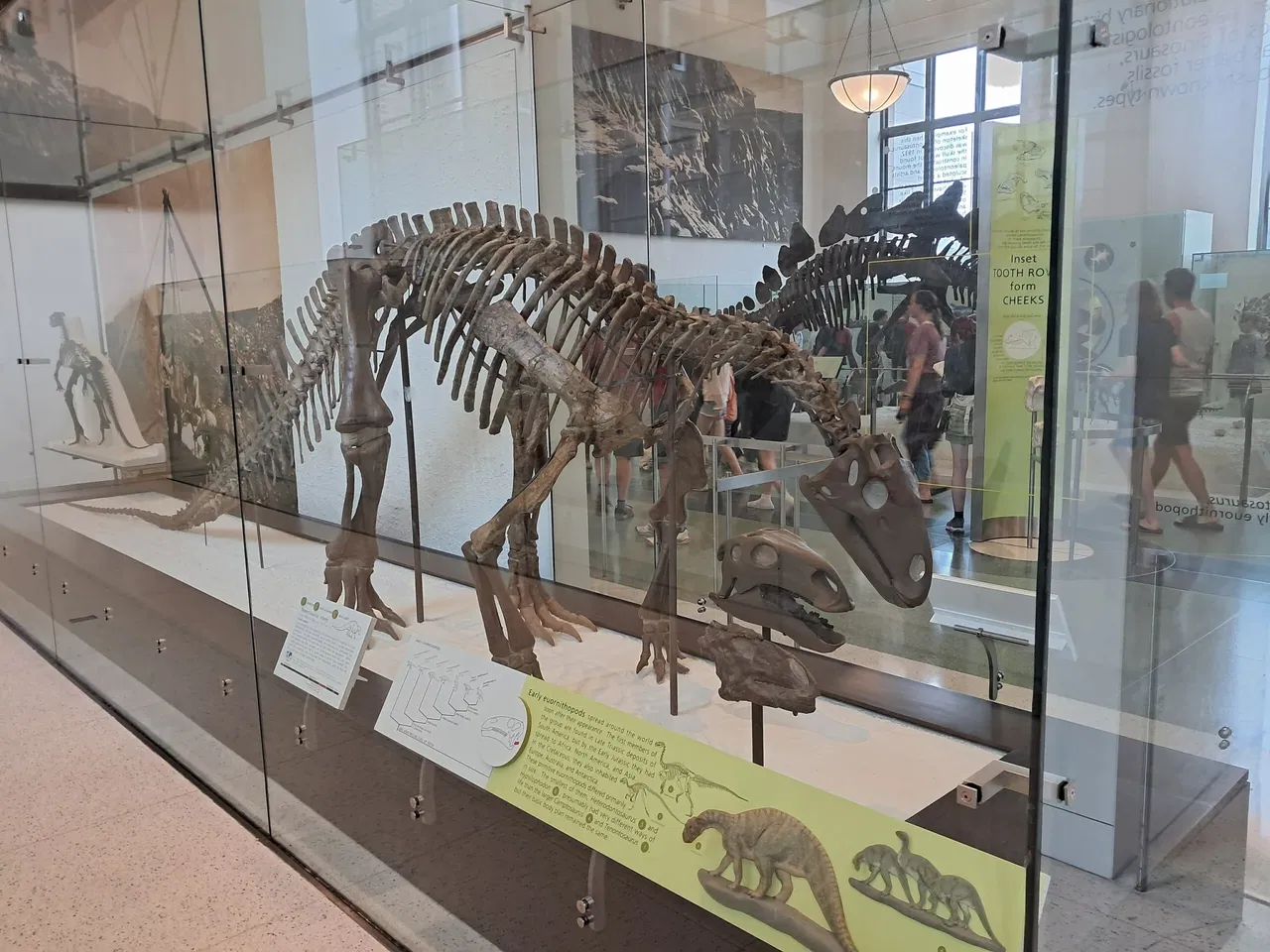
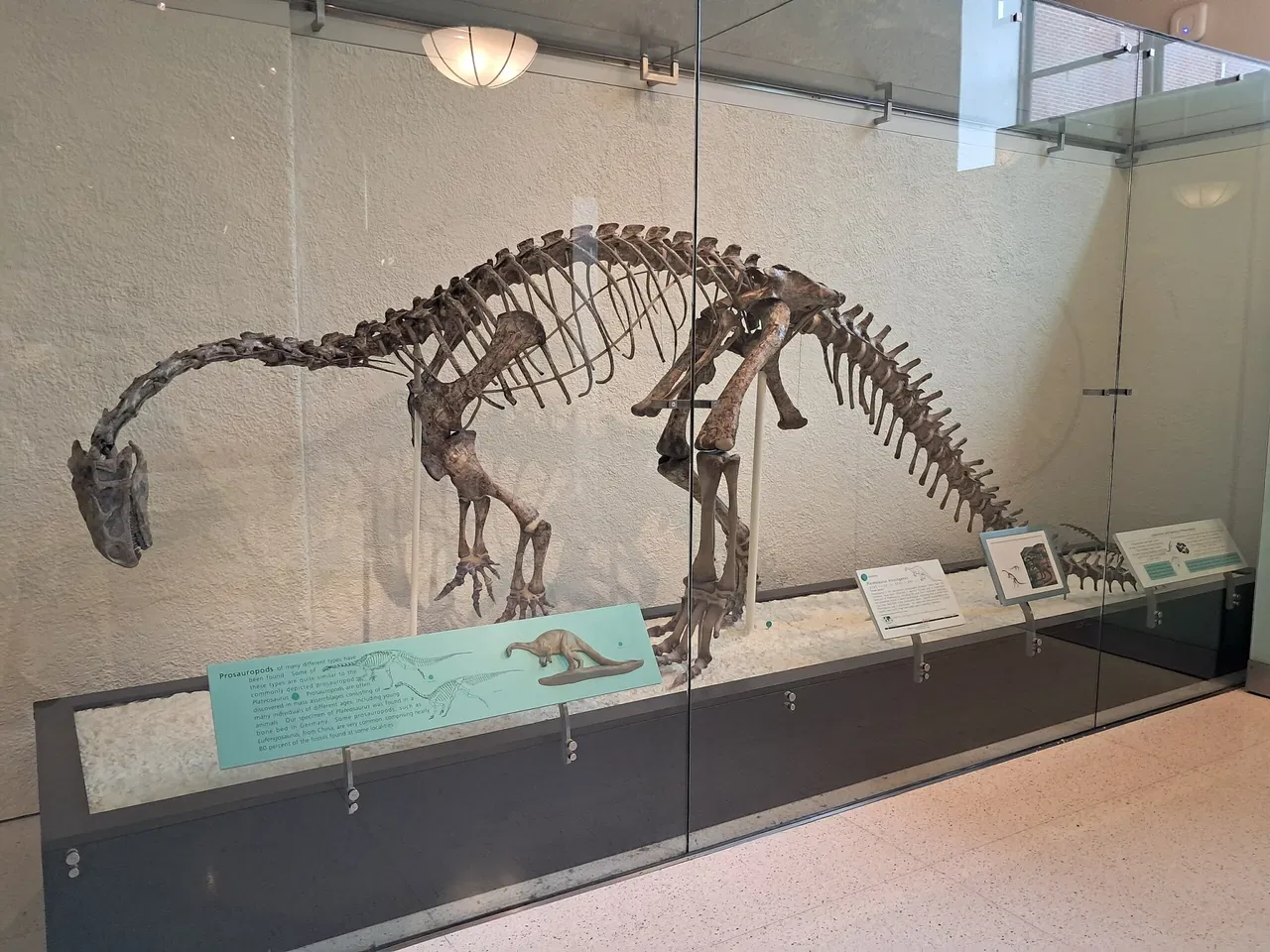

Das American Museum of Natural History, auch bekannt als AMNH, befindet sich in der Upper West Side von Manhattan in New York, Vereinigte Staaten. Dieser Standort ist leicht zugänglich und bietet eine Vielzahl von anderen Attraktionen in der Nähe, was ihn zu einem günstigen Ort für Touristen macht.
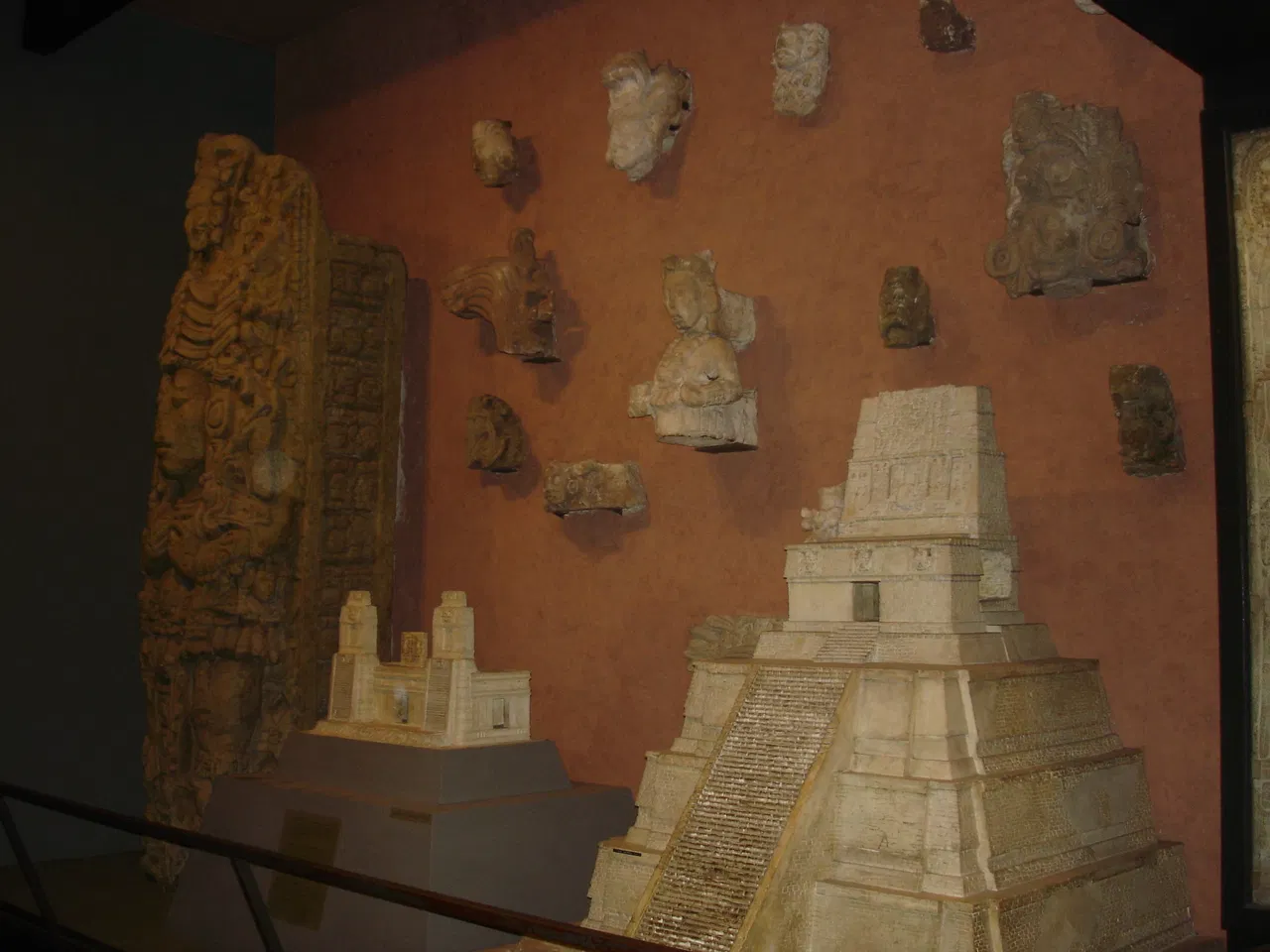
Das American Museum of Natural History ist ein riesiger Komplex, der aus 27 miteinander verbundenen Gebäuden besteht. Diese Gebäude beherbergen 46 ständige Ausstellungsräume, Forschungslabors und eine renommierte Bibliothek. Diese umfangreiche Einrichtung ermöglicht es den Besuchern, eine breite Palette von Exponaten und Sammlungen zu erkunden.
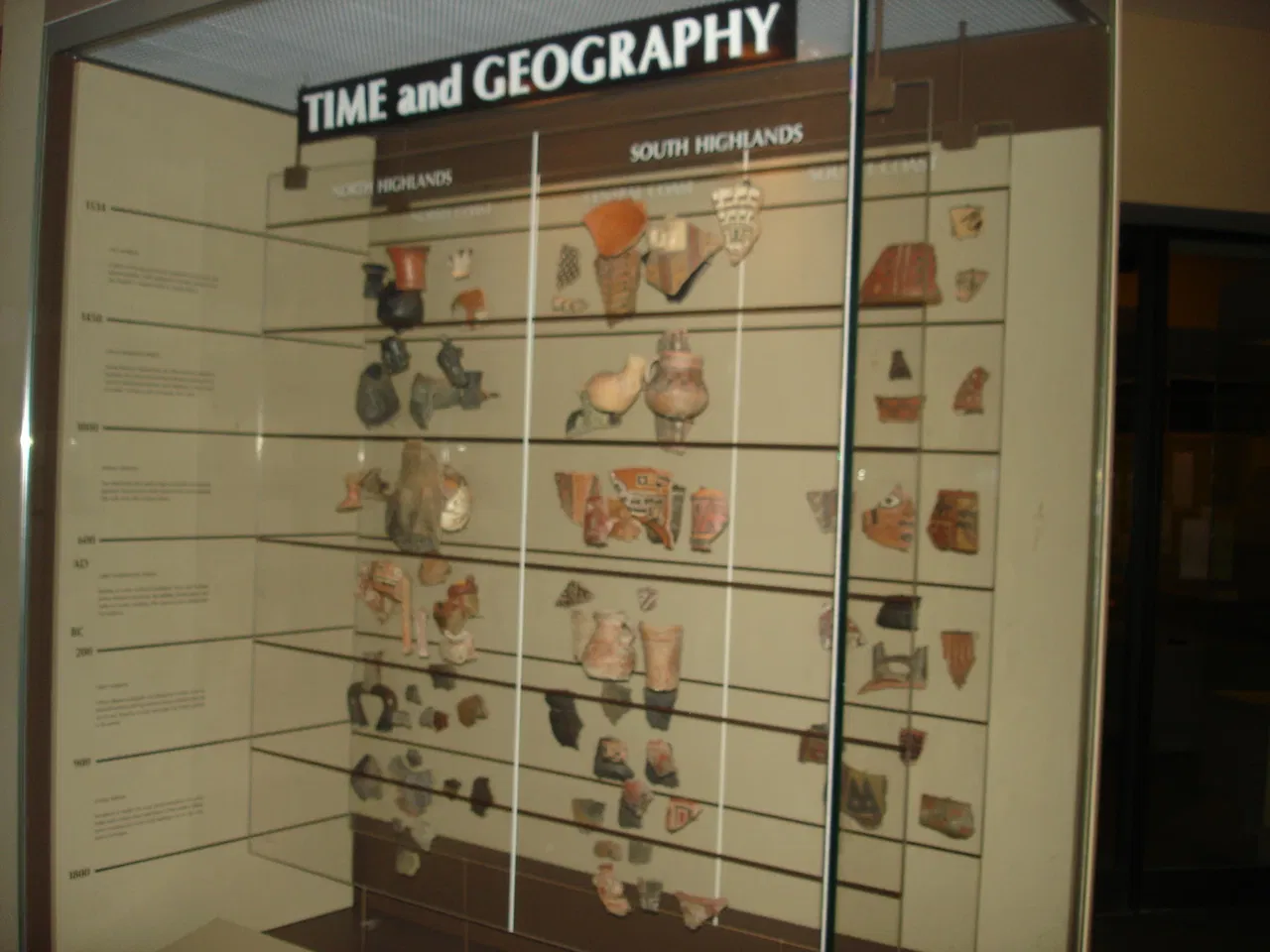
Das Amerikanische Museum für Naturgeschichte verfügt über eine Sammlung von über 34 Millionen Exemplaren. Aufgrund des Umfangs der Sammlung kann jedoch immer nur ein kleiner Teil ausgestellt werden. Das bedeutet, dass jeder Besuch des Museums ein einzigartiges Erlebnis mit unterschiedlichen Exponaten bietet, die ausgestellt werden.
Natur & Naturgeschichte Tiere Pflanzen Archäologie Geologie
#3 Natur & Naturgeschichte Vereinigte Staaten #3 Tiermuseen Vereinigte Staaten #2 Archäologische Museen Vereinigte Staaten #1 Geologische Museen Vereinigte Staaten #2 Pflanzenmuseen Vereinigte Staaten #1 Natur & Naturgeschichte New York #1 Tiermuseen New York #1 Archäologische Museen New York #1 Natur & Naturgeschichte New York State #1 Tiermuseen New York State #1 Archäologische Museen New York State #1 Geologische Museen New York State #1 Pflanzenmuseen New York State
Central Park West 180, New York
11.06.2026 – 01.10.2026

18.05.2026 – 14.09.2026
15.05.2026 – 04.01.2027
25.11.2025 – 31.12.2026

04.11.2024 – 01.01.2026
14.11.2023 – 04.08.2025
28.09.2023 – 01.01.2026
17.07.2023 – 01.09.2025
American Museum of Natural History hat 2 Bewertungen.
Das American Museum of Natural History in New York City ist eine renommierte Institution, die eine umfangreiche Sammlung von Exponaten aus verschiedenen wissenschaftlichen Disziplinen bietet. Besucher loben oft die vielfältigen Ausstellungen des Museums, von Dinosaurierfossilien bis zur Weltraumforschung. Das Planetarium erhält hohe Bewertungen für seine immersiven Shows, während das Schmetterlingskonservatorium häufig als Highlight erwähnt wird. Viele Rezensenten schätzen den pädagogischen Wert des Museums für Kinder und Erwachsene gleichermaßen. Einige Besucher merken jedoch an, dass das Museum, insbesondere zu Stoßzeiten, überfüllt sein kann, was das Gesamterlebnis beeinträchtigen kann. Einige Rezensenten erwähnen, dass einige Exponate von Aktualisierungen oder Renovierungen profitieren könnten. Trotz dieser geringfügigen Nachteile empfindet die Mehrheit der Besucher das Museum als eine informative und ansprechende Erfahrung, die einen umfassenden Einblick in die Naturgeschichte und die Wissenschaft bietet. Die schiere Größe des Museums bedeutet, dass die meisten Besucher empfehlen, einen ganzen Tag einzuplanen, um die umfangreichen Sammlungen gründlich zu erkunden.

We visited American Museum of Natural History on Jun 25, 2025. Tickets were purchased online by scanning the QR code posted by the entrance. My primary concern was my backpack being too large to be allowed in per their policy. In addition, it contained my laptop. Then I noticed that a departing visitor had a backpack about the size as mine. At the was security checkpoint, my backpack was searched, and then we were allowed in.
The first hall we went to was the David S. and Ruth L. Gottesman Hall of Planet Earth, or Planet Earth as shown on the map. Its exhibits offered a wealth of information on everything geological about the planet. It would take me at least an hour to peruse them all. Next was the Theodore Roosevelt Memorial Hall - devoted to the namesake half-term Governor of New York, Rough Rider boss and President of the United States. There was also another hall on Floor 2 bearing his name but we didn't get around to see it.
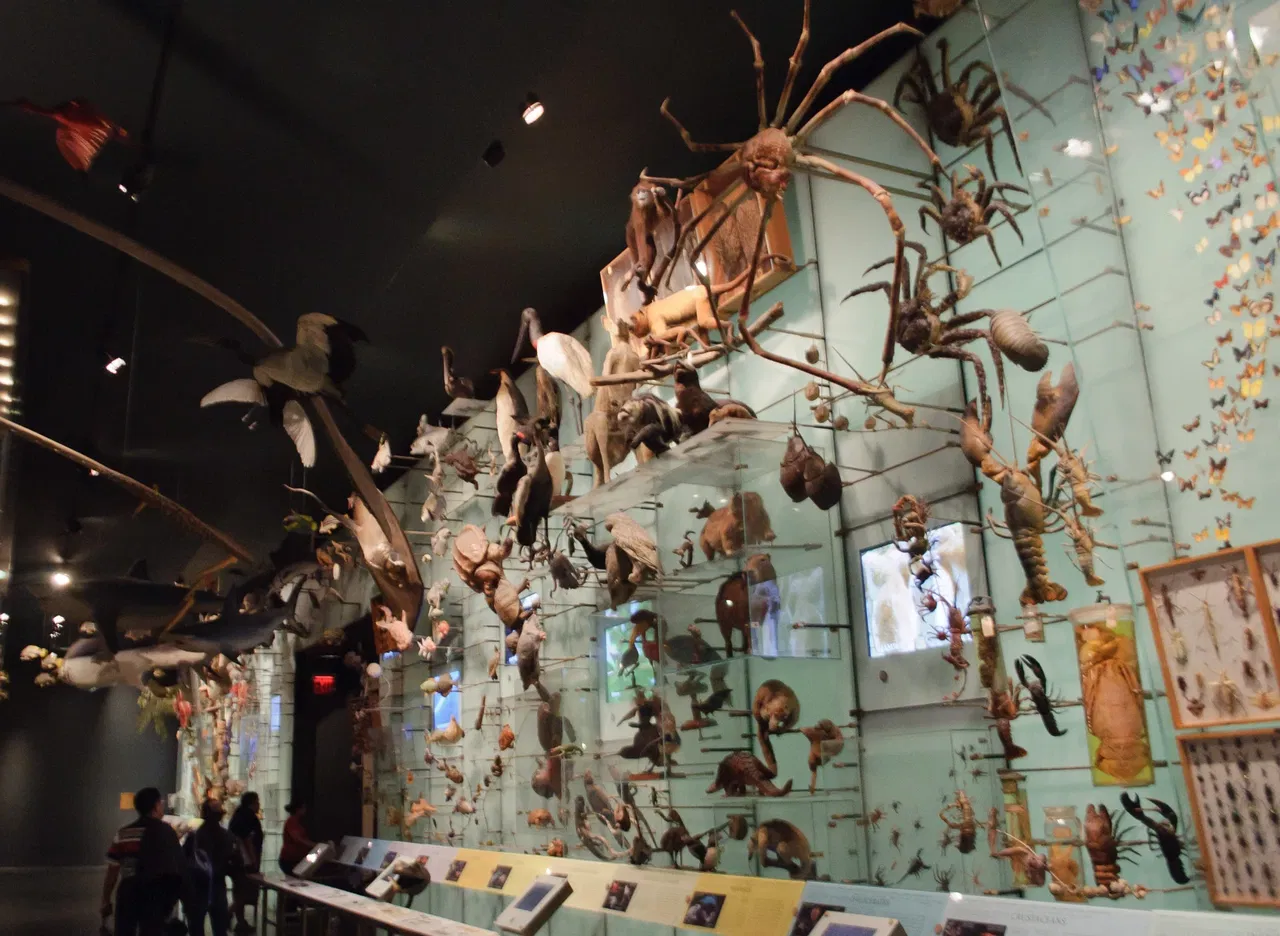
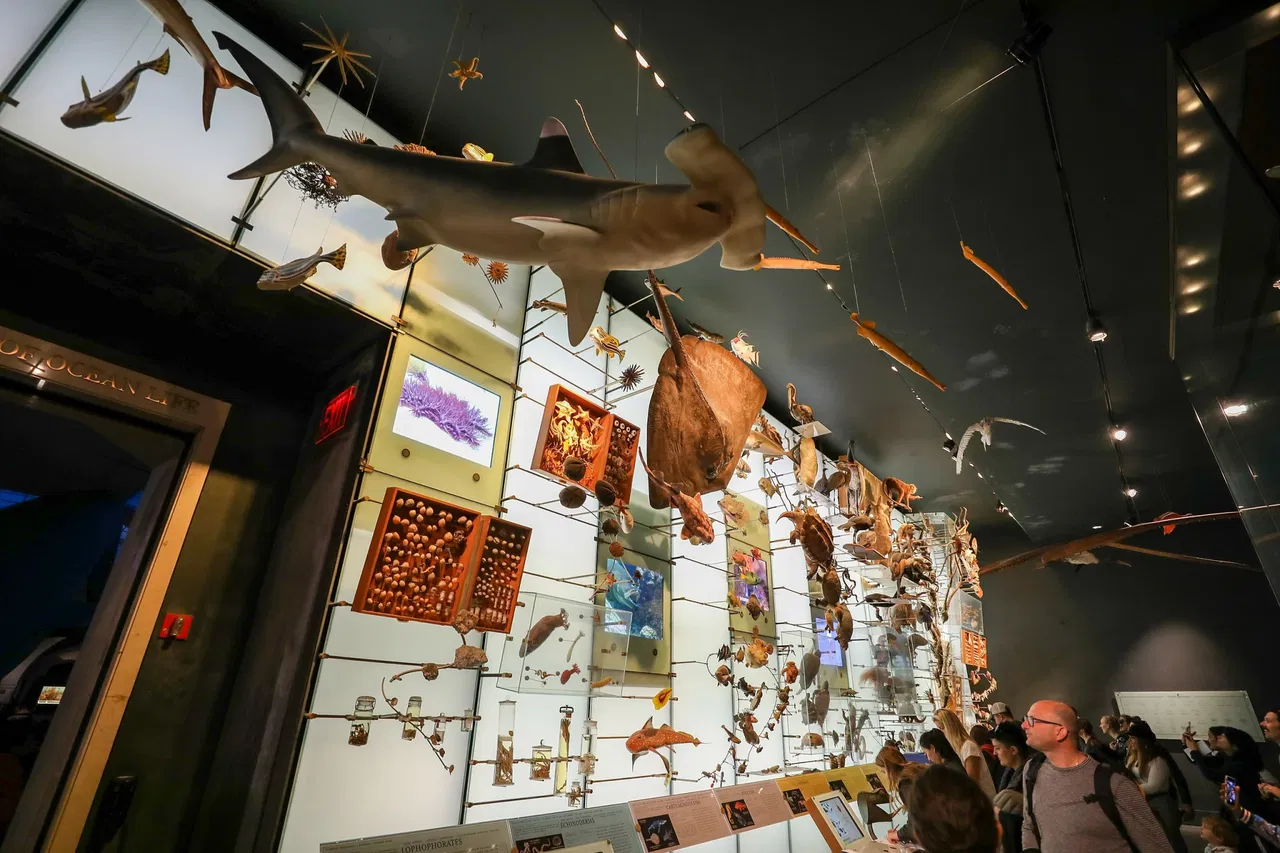
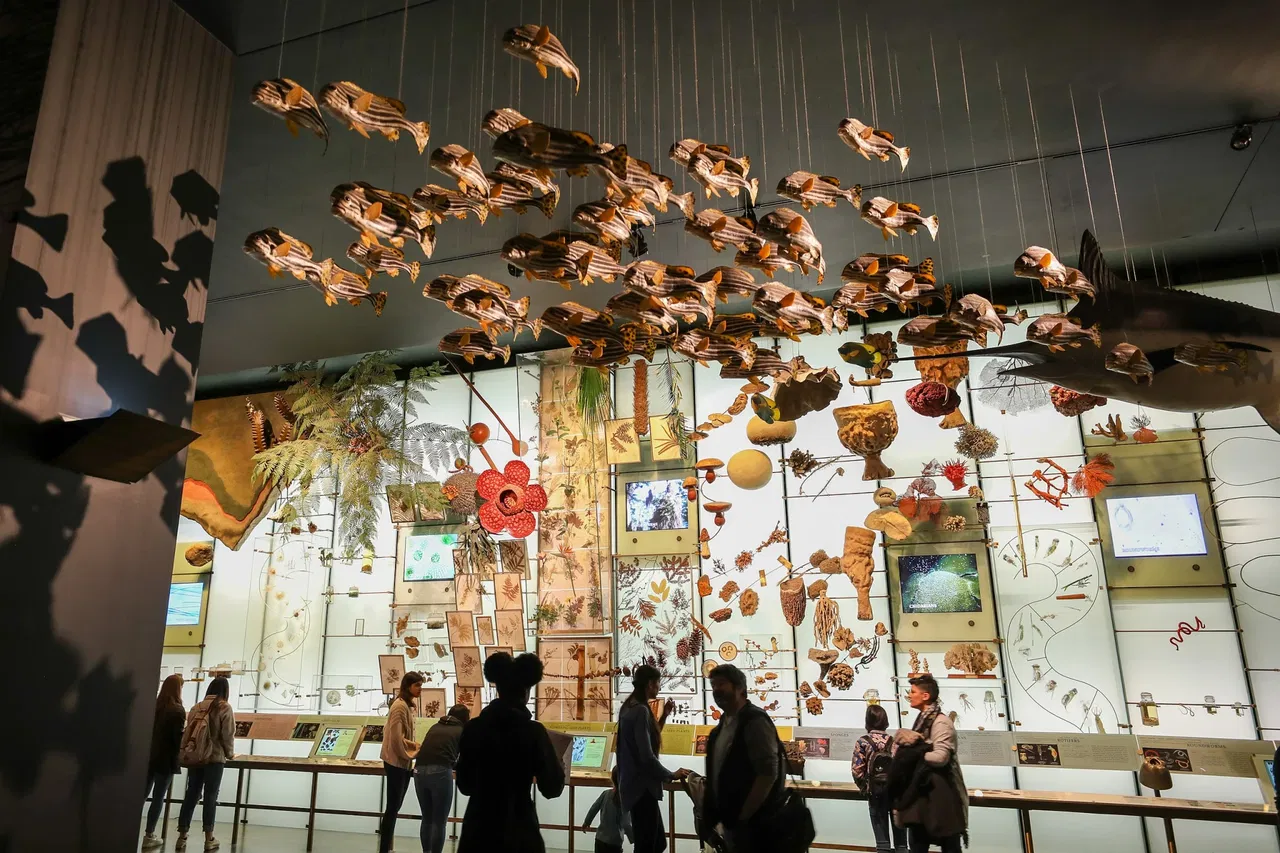
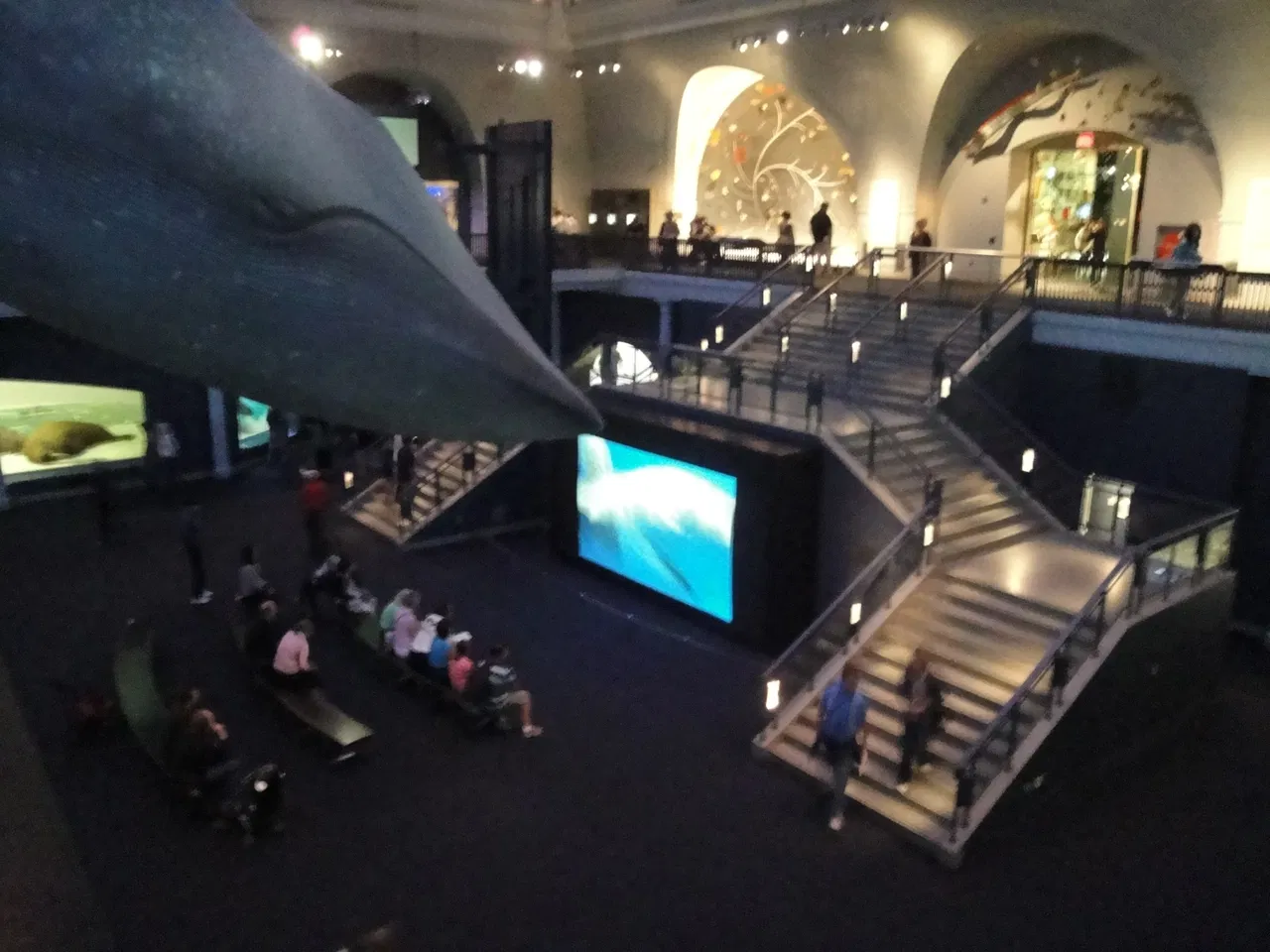
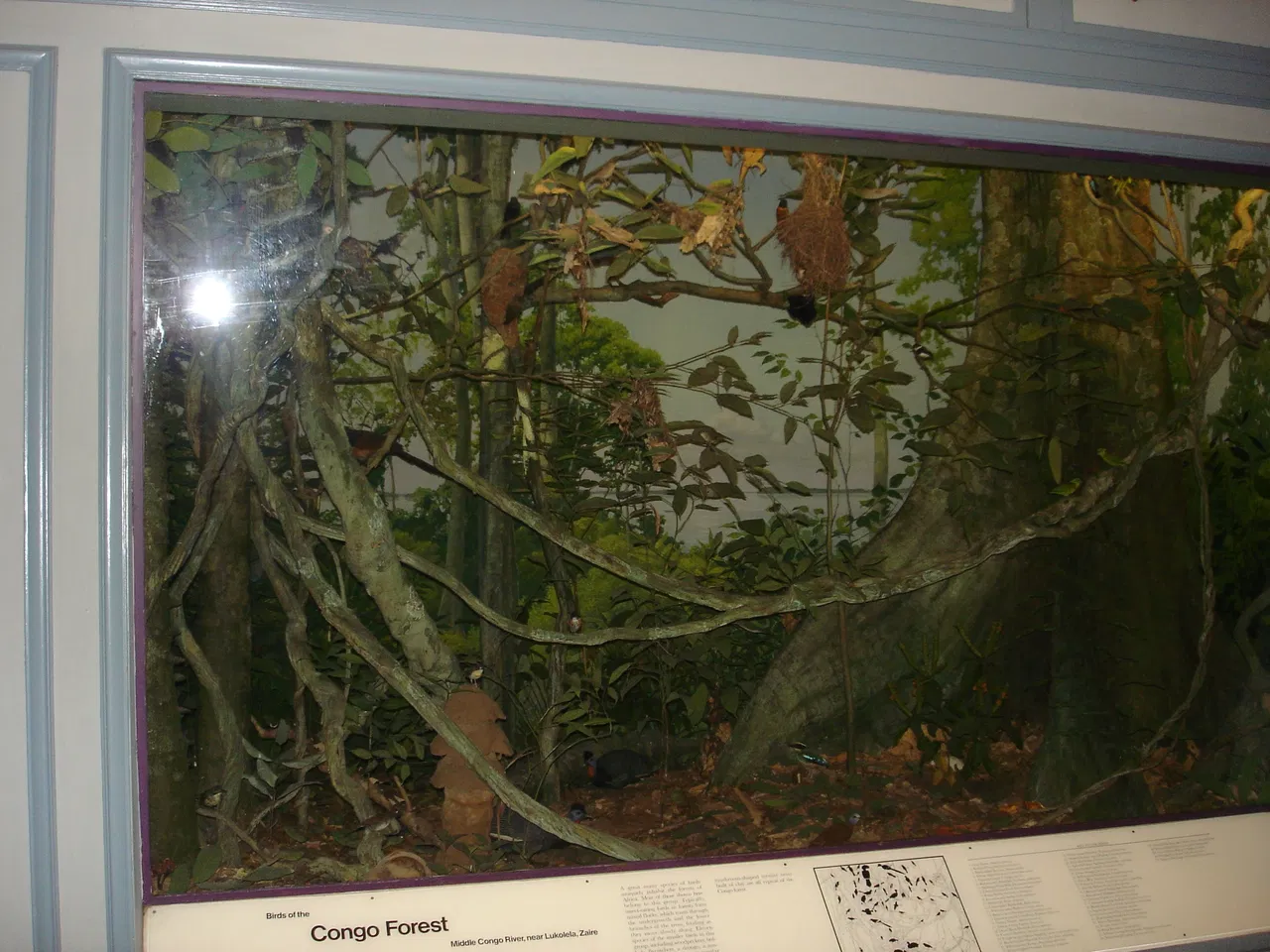
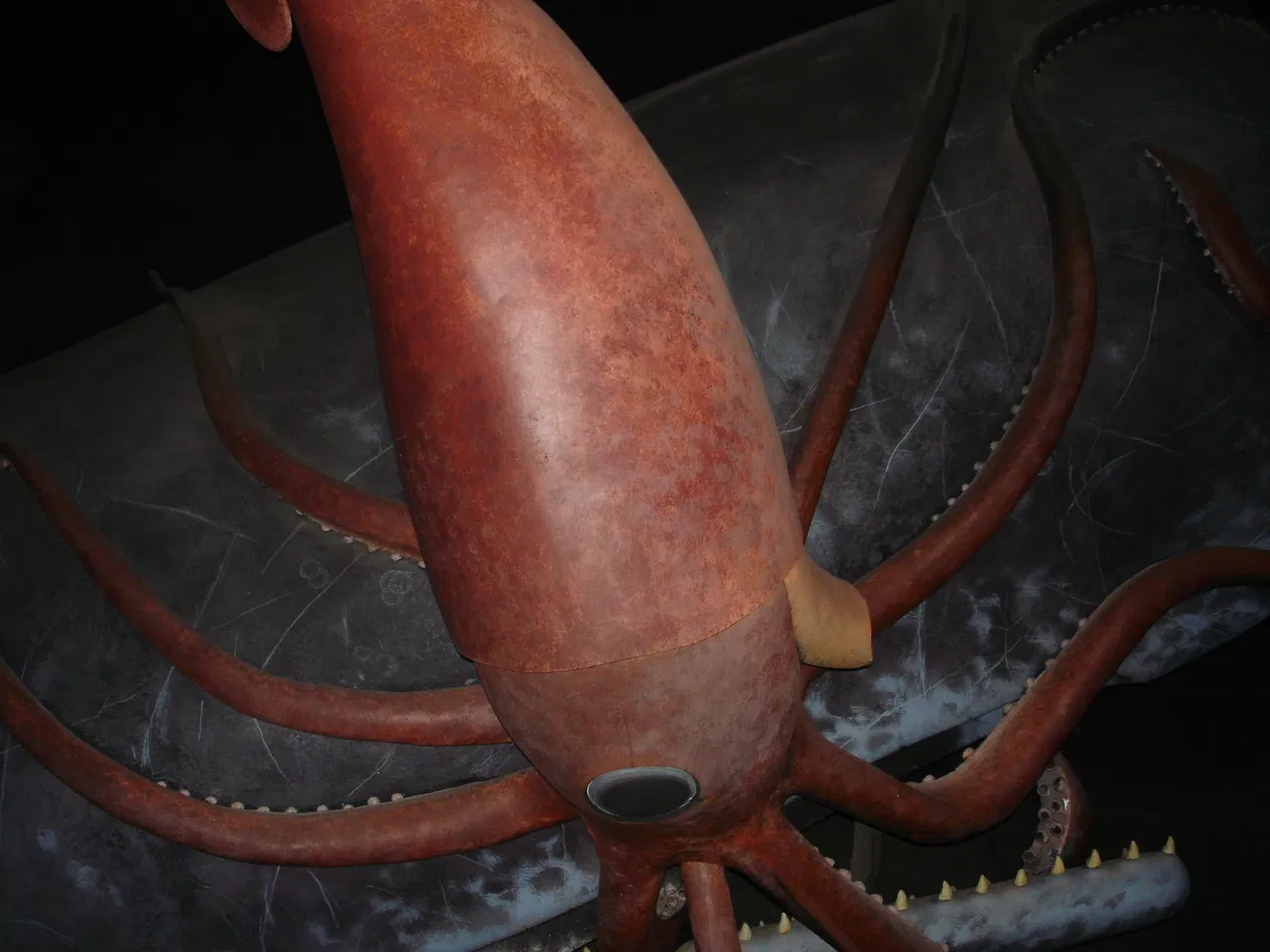
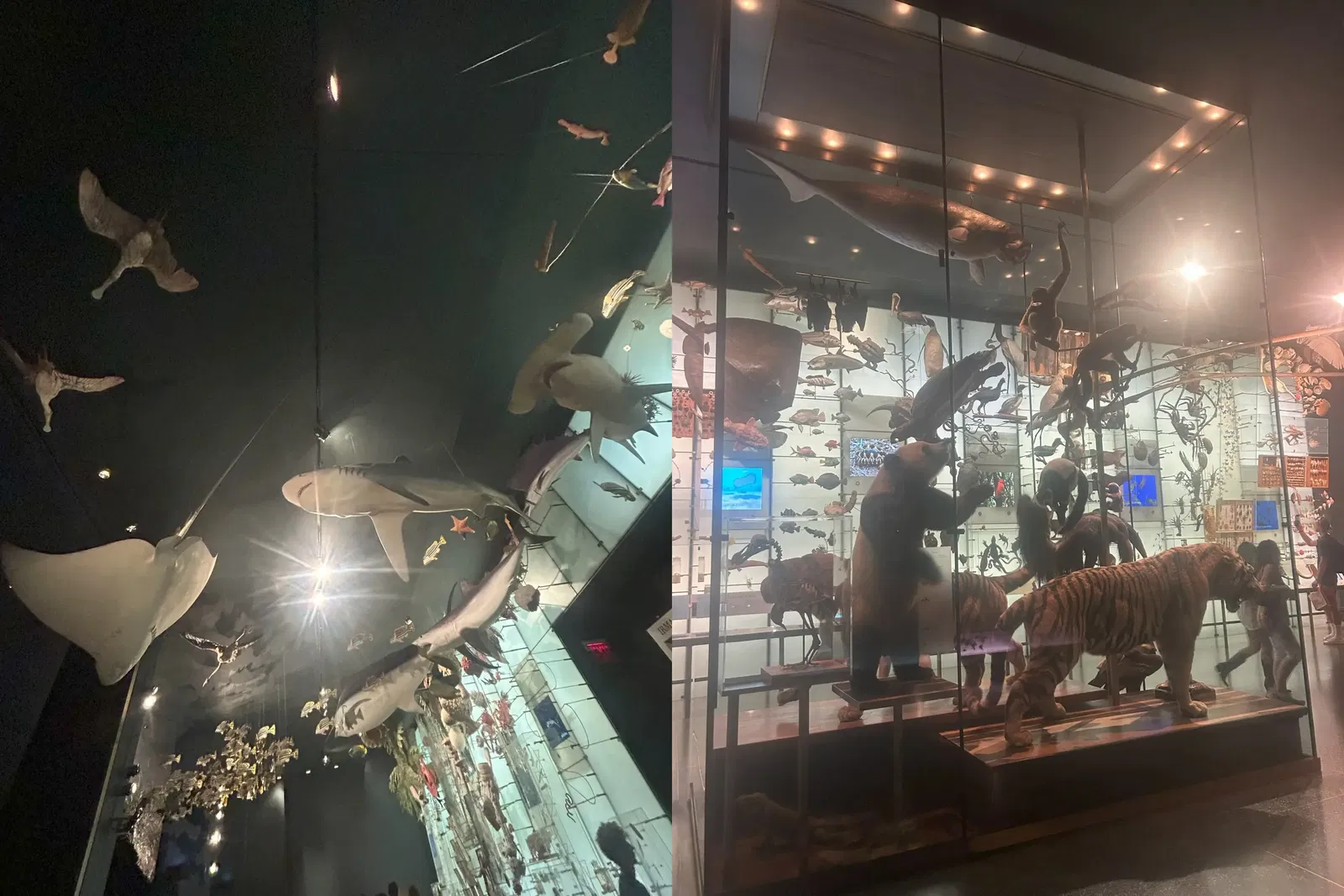
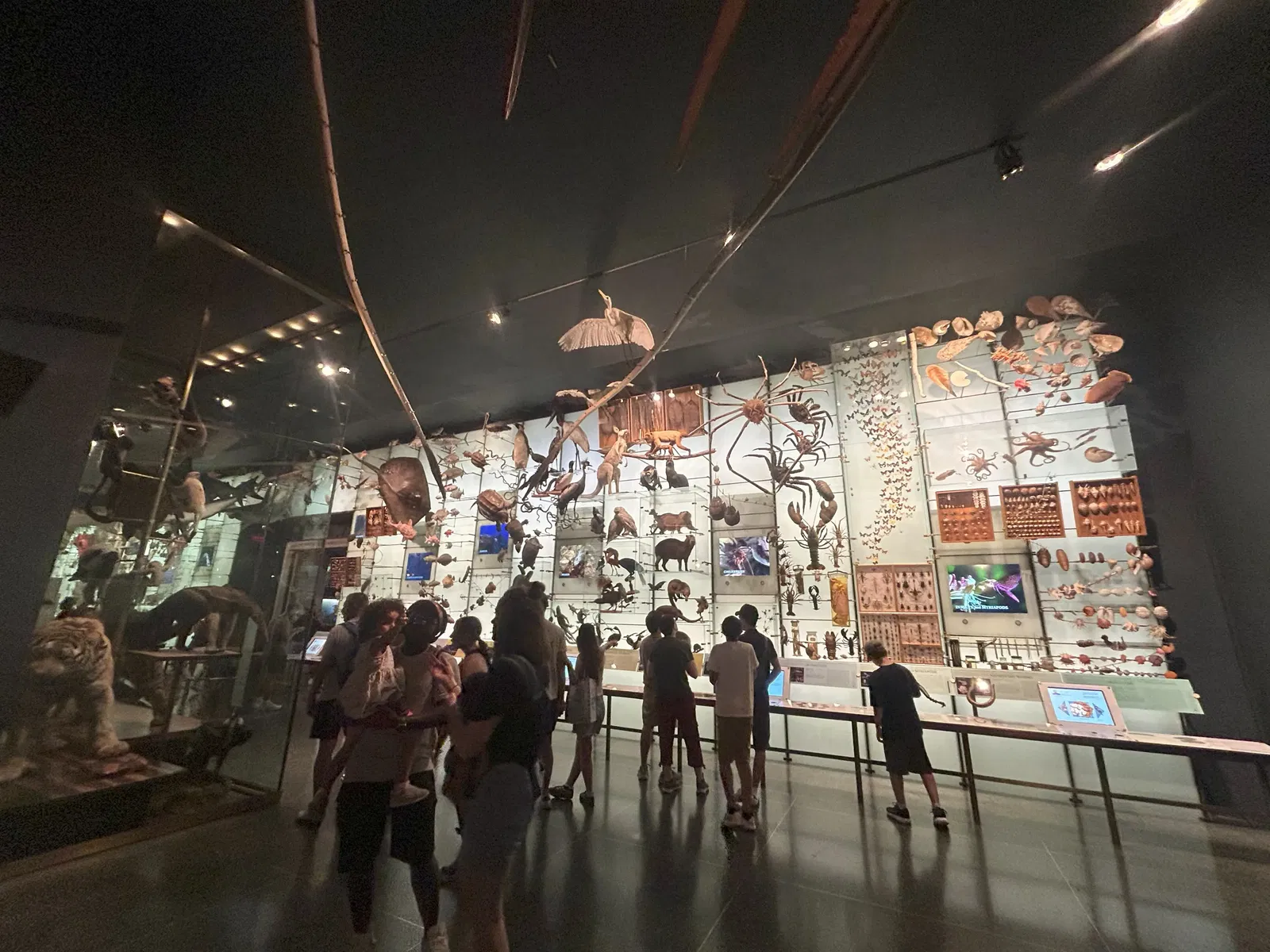
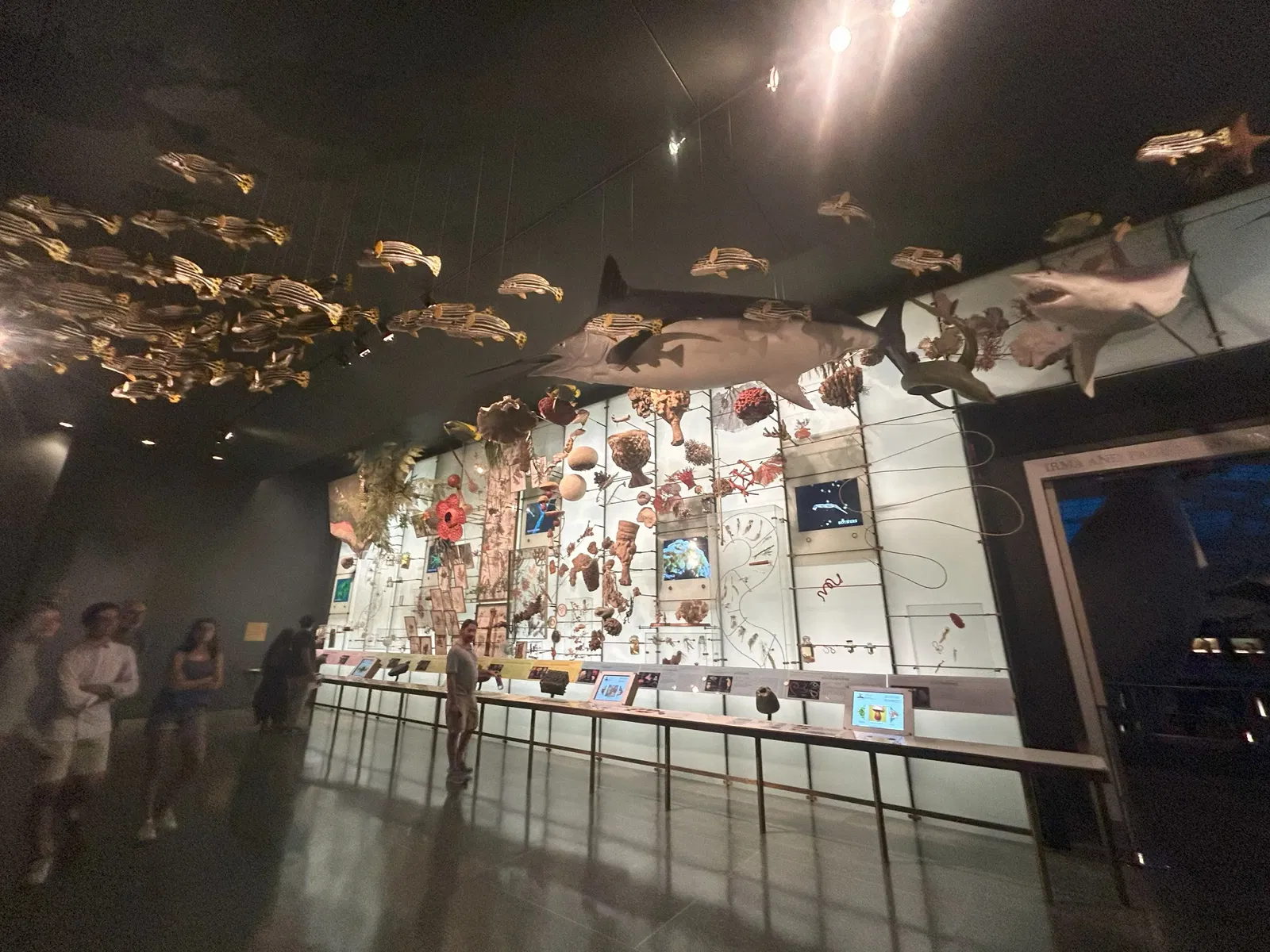
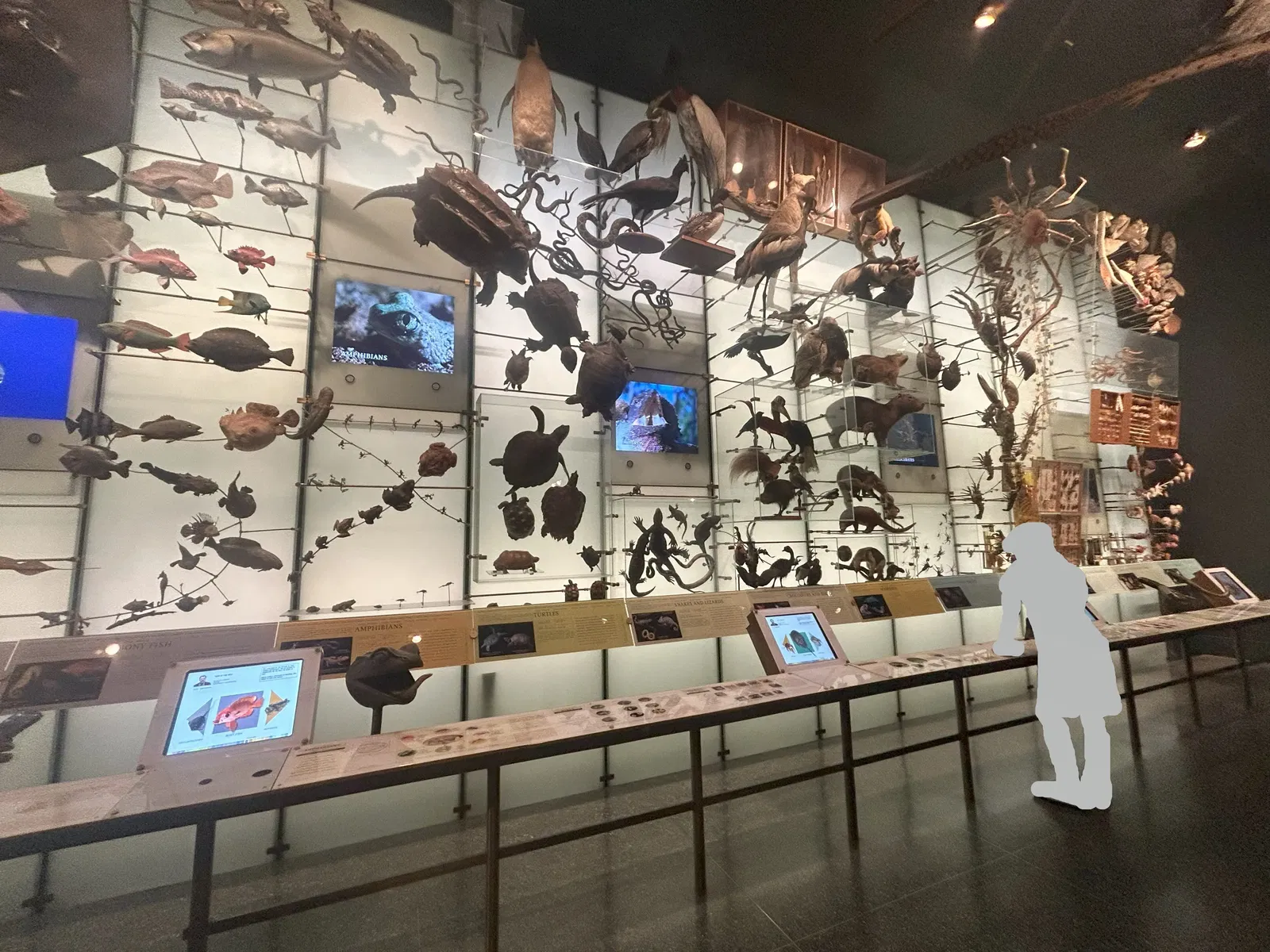
I was however amazed by the next hall. It bore Roosevelt's name but is simply known as Biodiversity on the Floor 1 map. Hundreds... no, thousands of life-sized replicas of creatures of various shapes and sizes on the walls and ceiling - the Spectrum of Life. I didn't think squids were that large, but there they were. The Rain Forest exhibit was there, and so was the Siberian Tigers exhibit. If the Biodiversity hall was amazing, the next one was epic. Named the Irma and Paul Milstein Family Hall of Ocean Life and spanning two stories, its biggest star is the life-sized model of the great Blue Whale hanging from the ceiling in the middle of the hall. No matter where I was, the whale was in my line of sight. There were more exhibits on the lower level, including the Walruses. I did not take more pictures because the lighting was poor. I could sit in this hall all day and do nothing but marvel. I would even pay to spend the night here in front of the great blue whale. (It's not the real thing but still magnificent.)
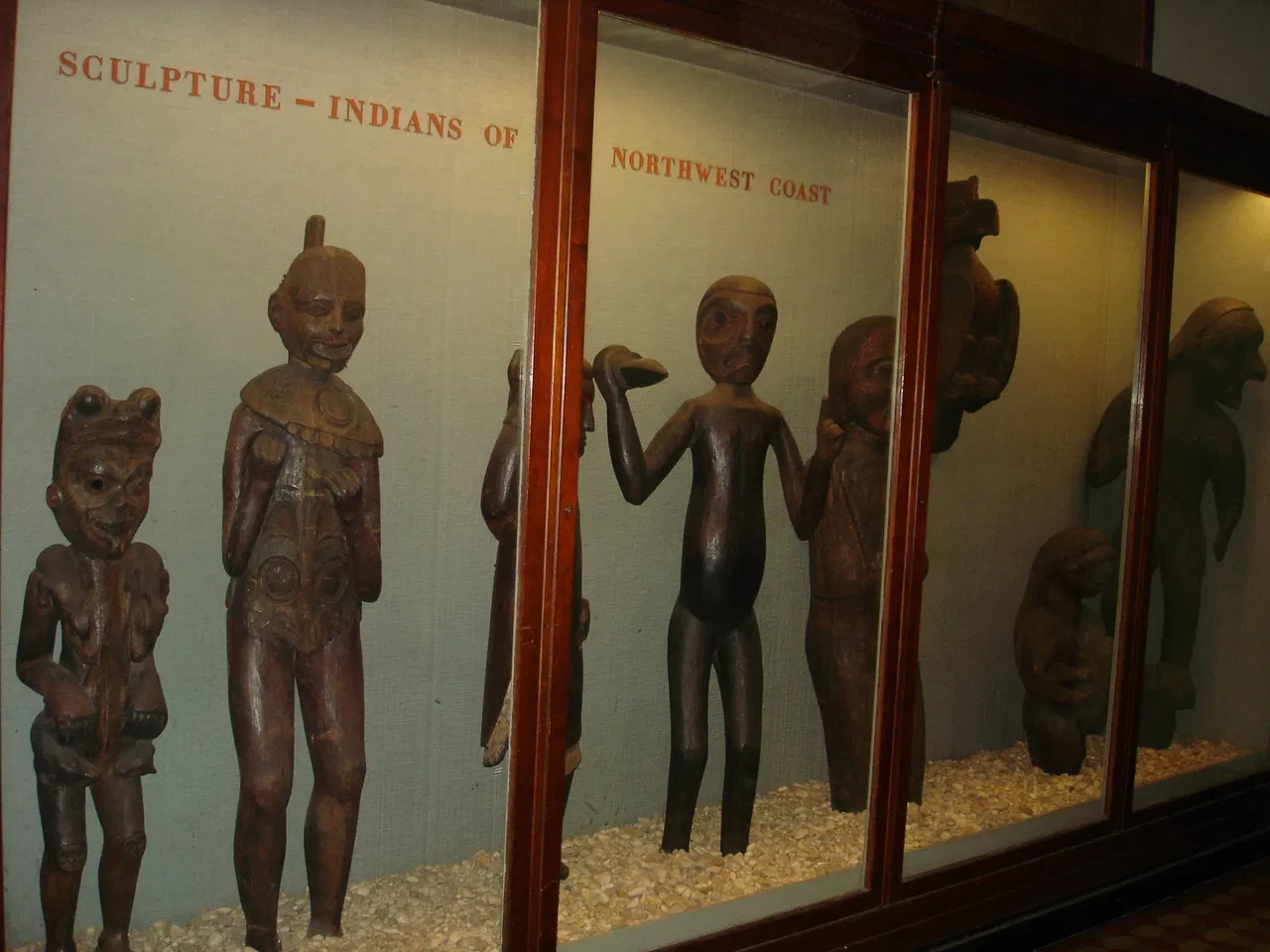
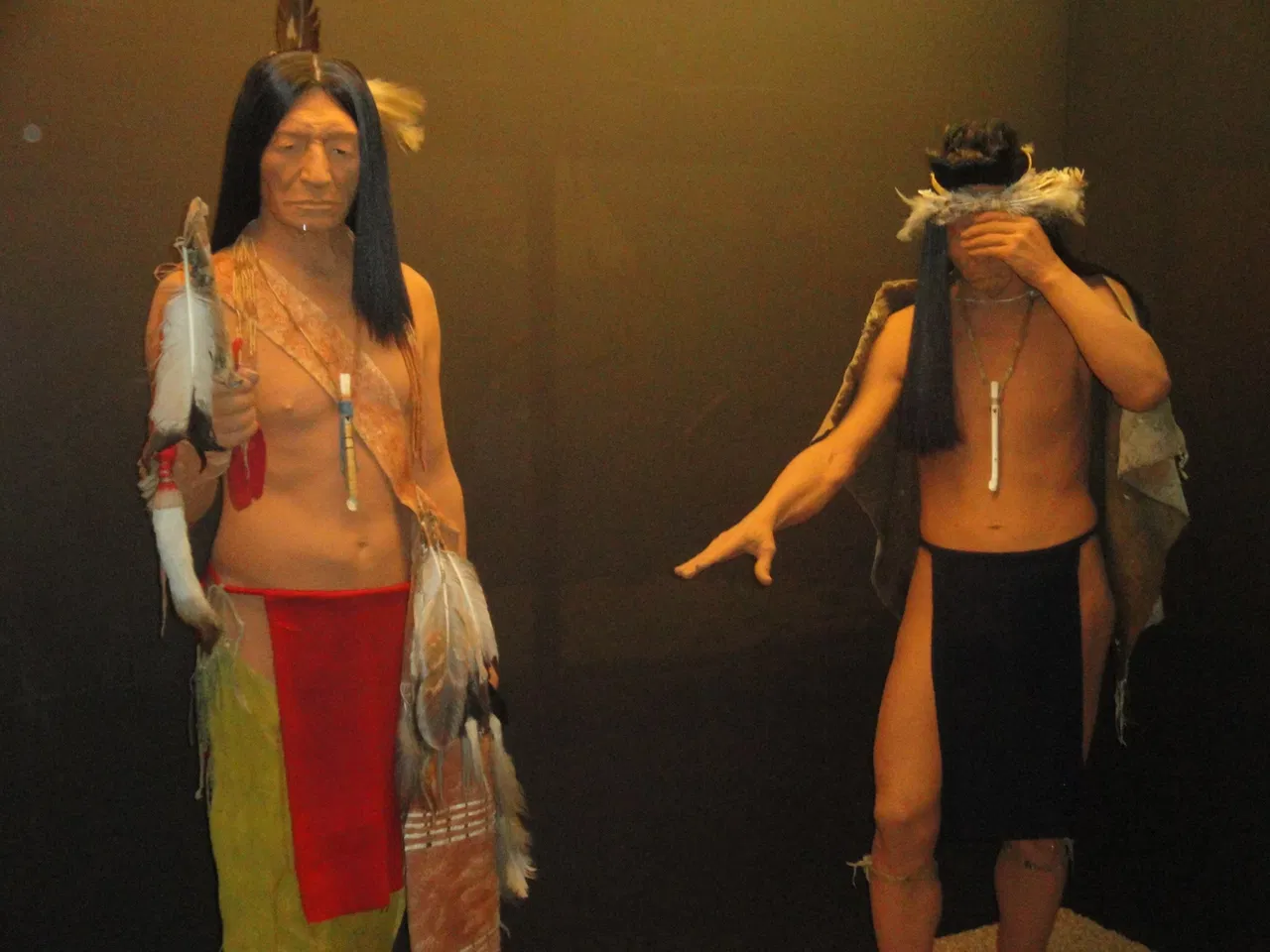
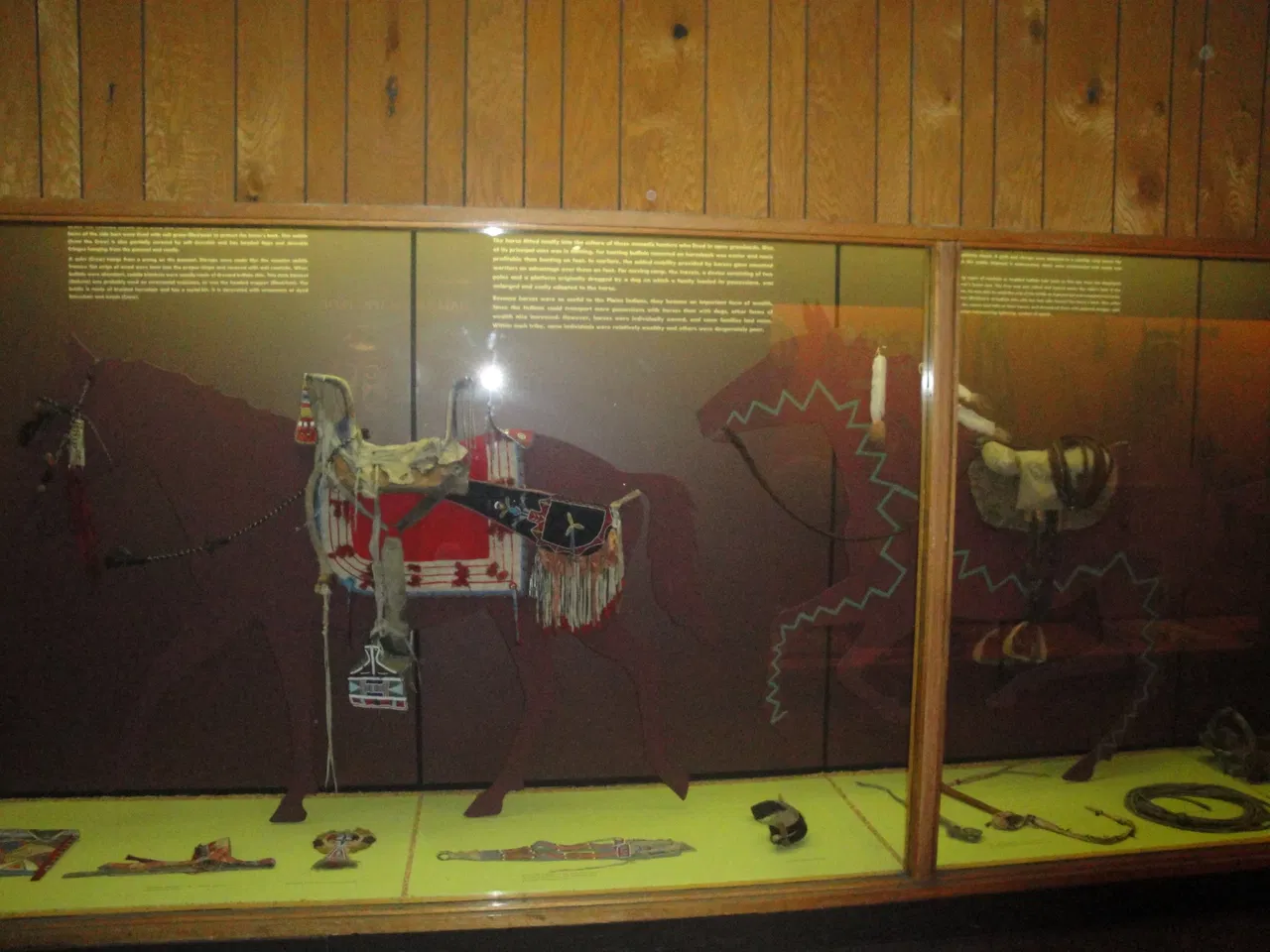
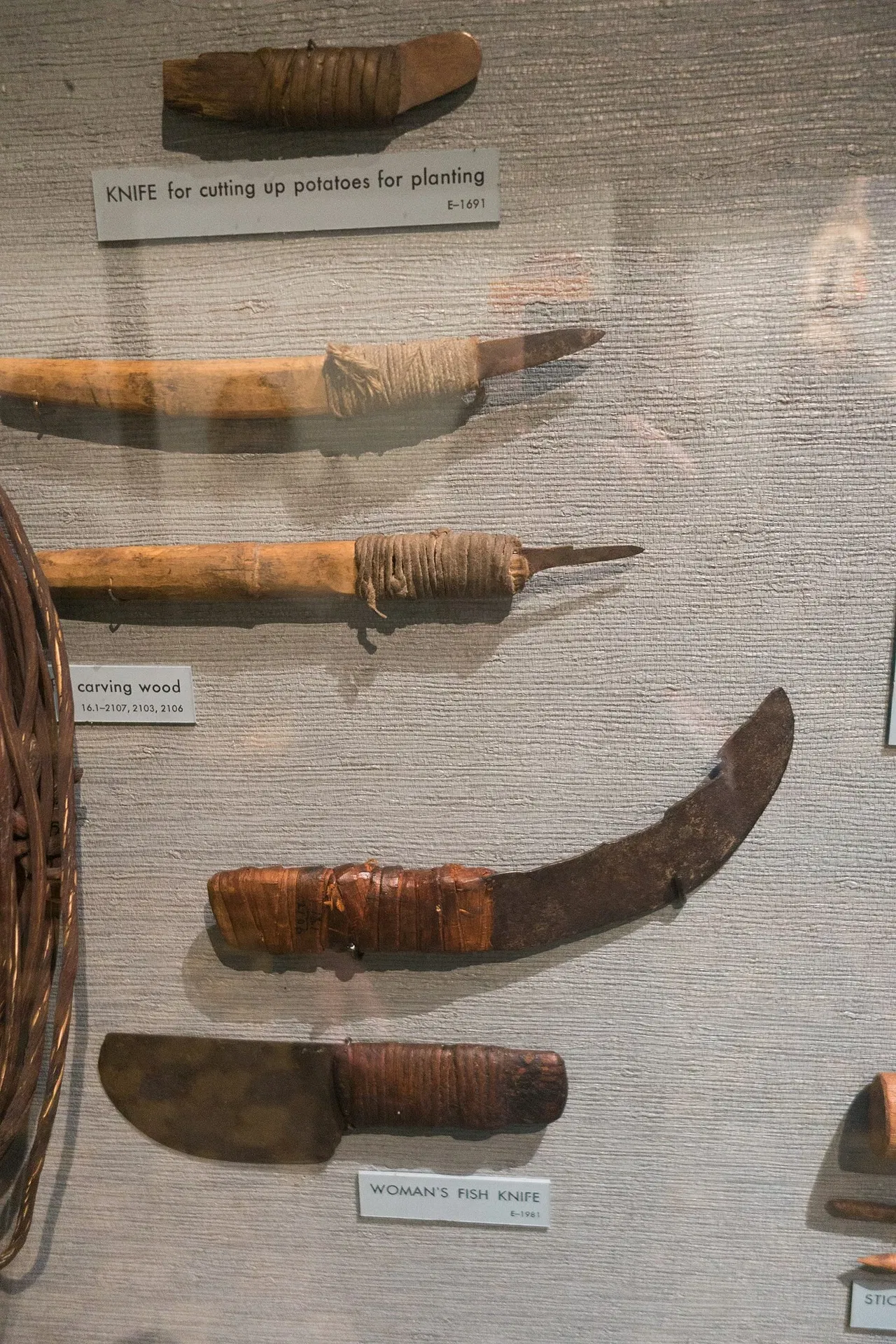
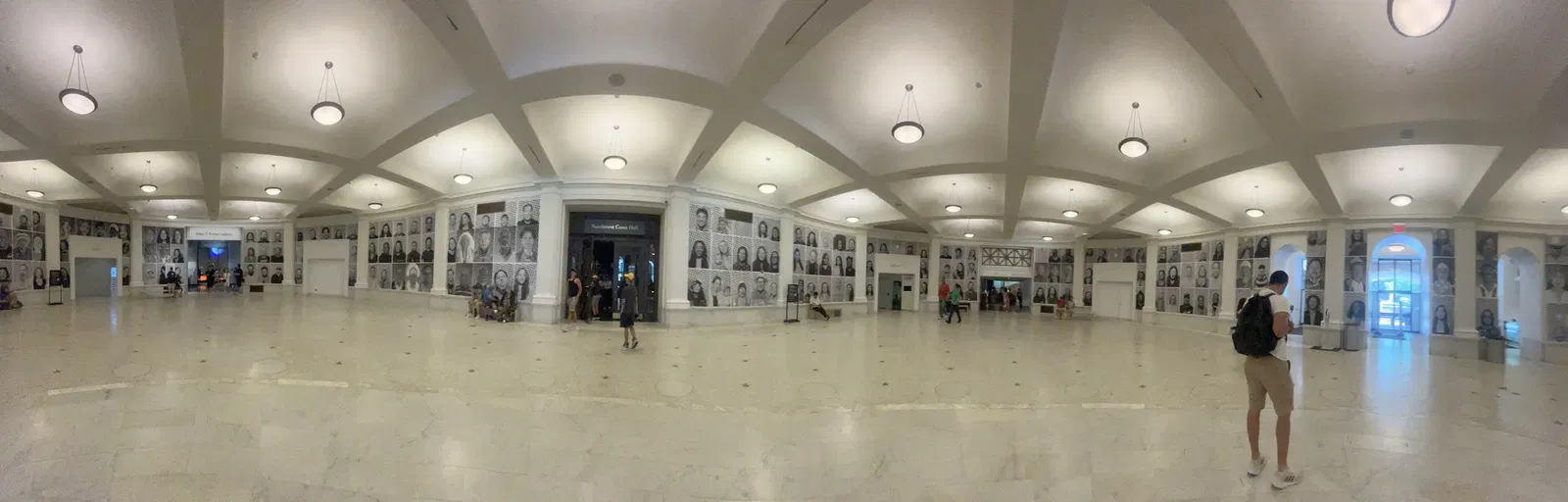
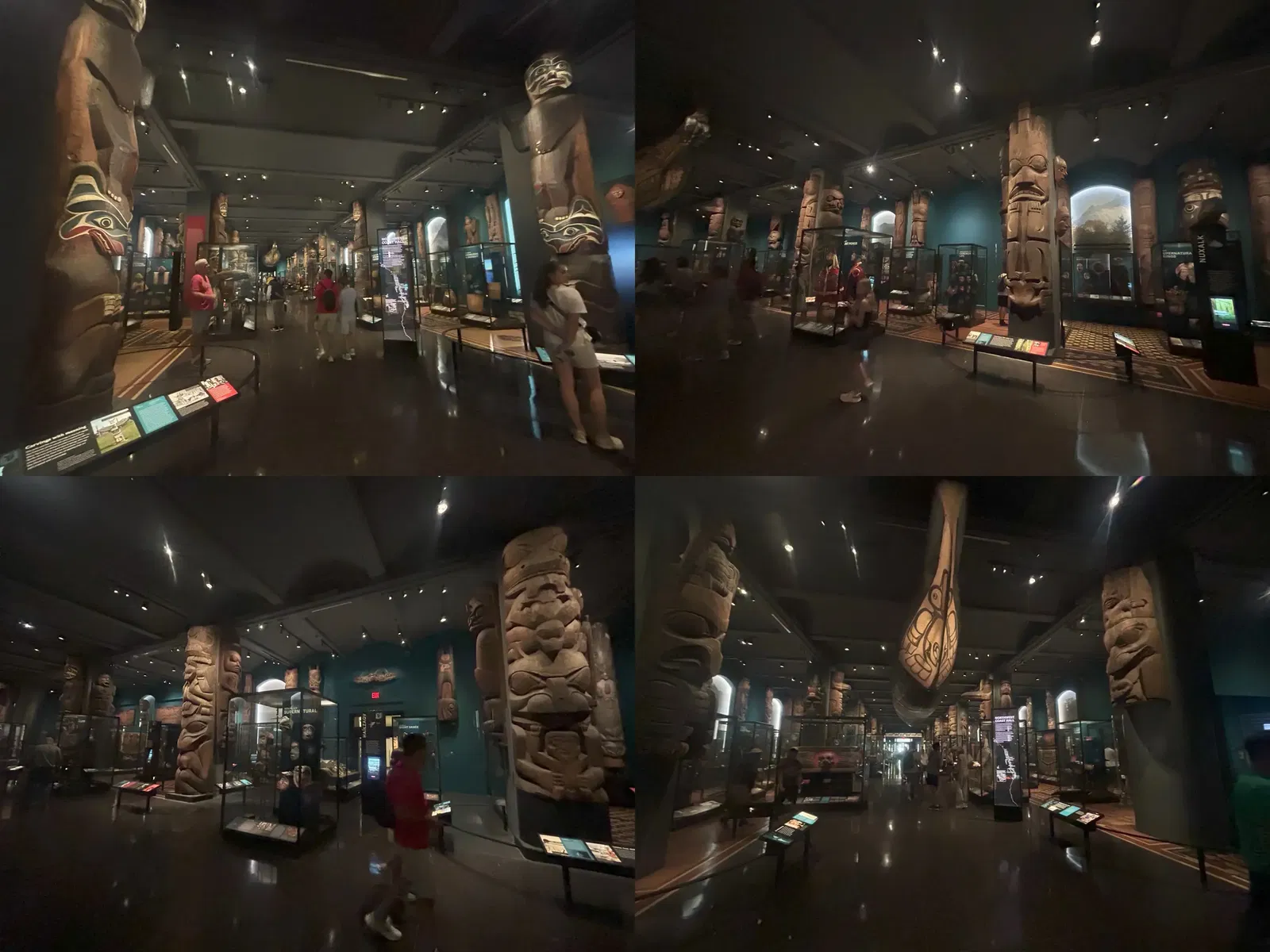
Time was limited so we moved on... to the Futter Gallery. To all the party-lovers out there, this is the place to host a party. You can claim you partied with celebrities... well, portraits of them. Next was the Northwest Coast Hall for exhibits of Native American culture. Wife liked this one the most. The collection was impressive. One exhibit was a set of Tlingit artefacts enclosed in glass located near an alcove. These artefacts supposedly had a history of occultic usage with a sign on the glass warning against any form of photography. Though not superstitious, I chose not to take any pictures.
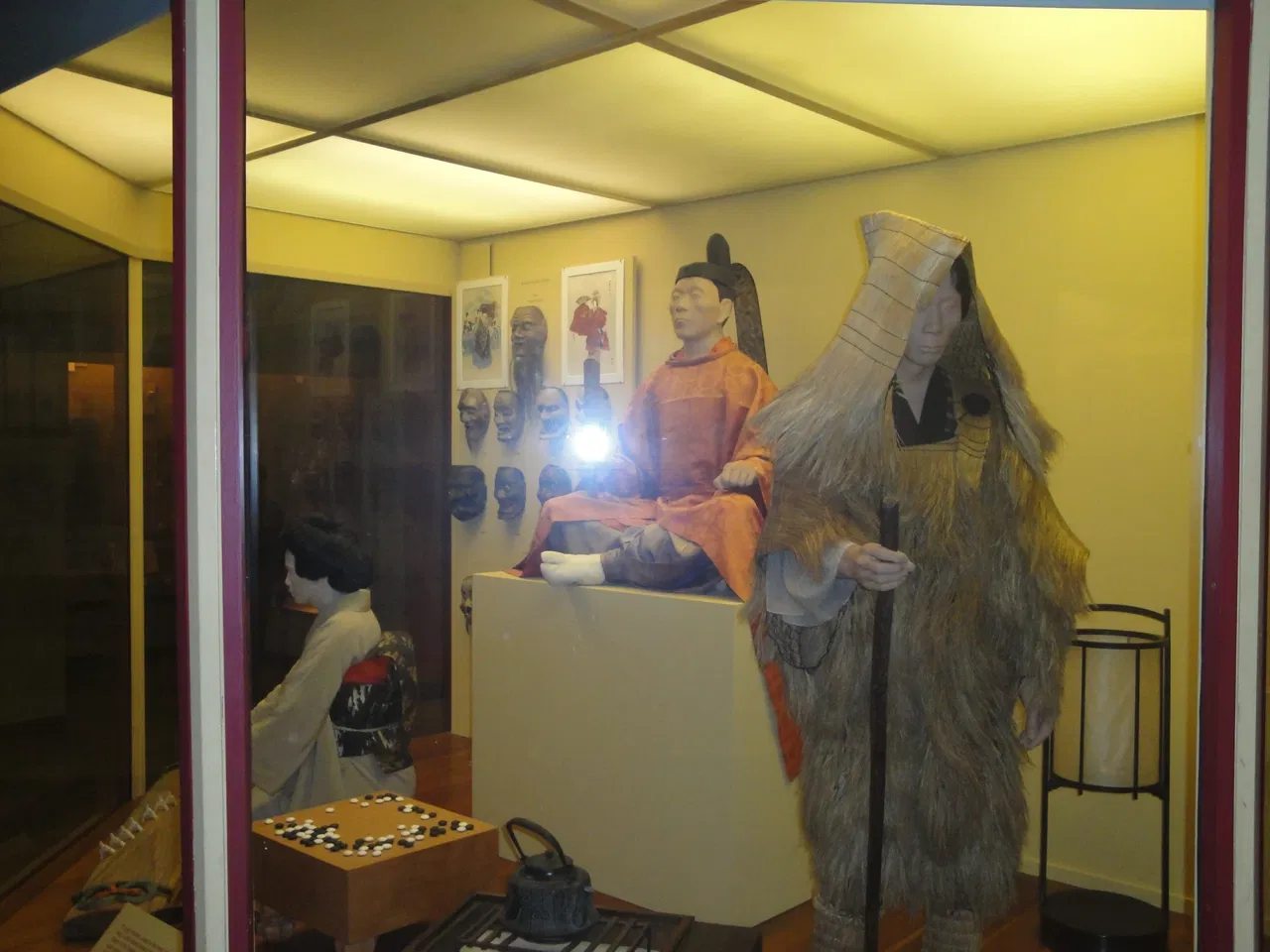
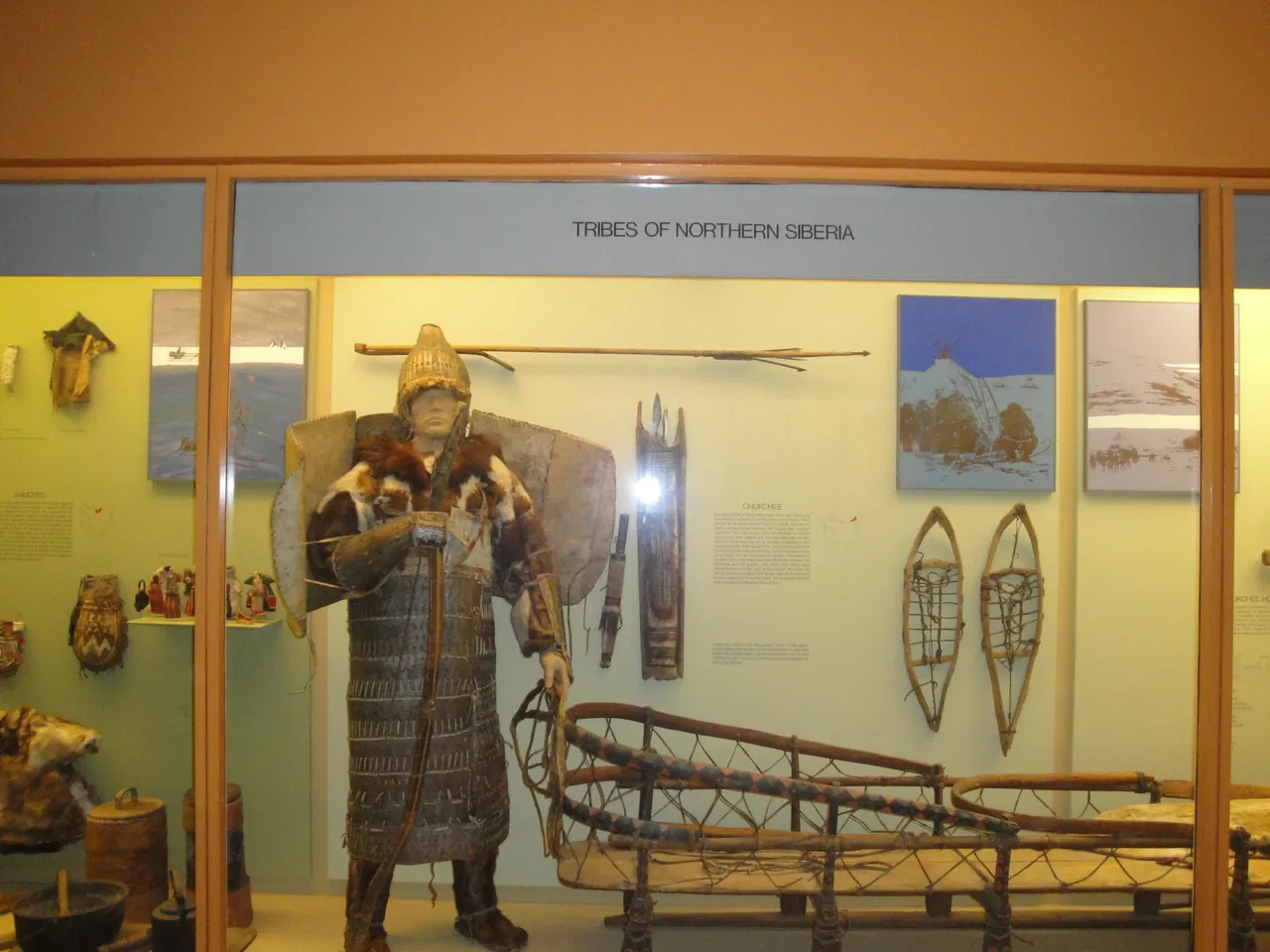
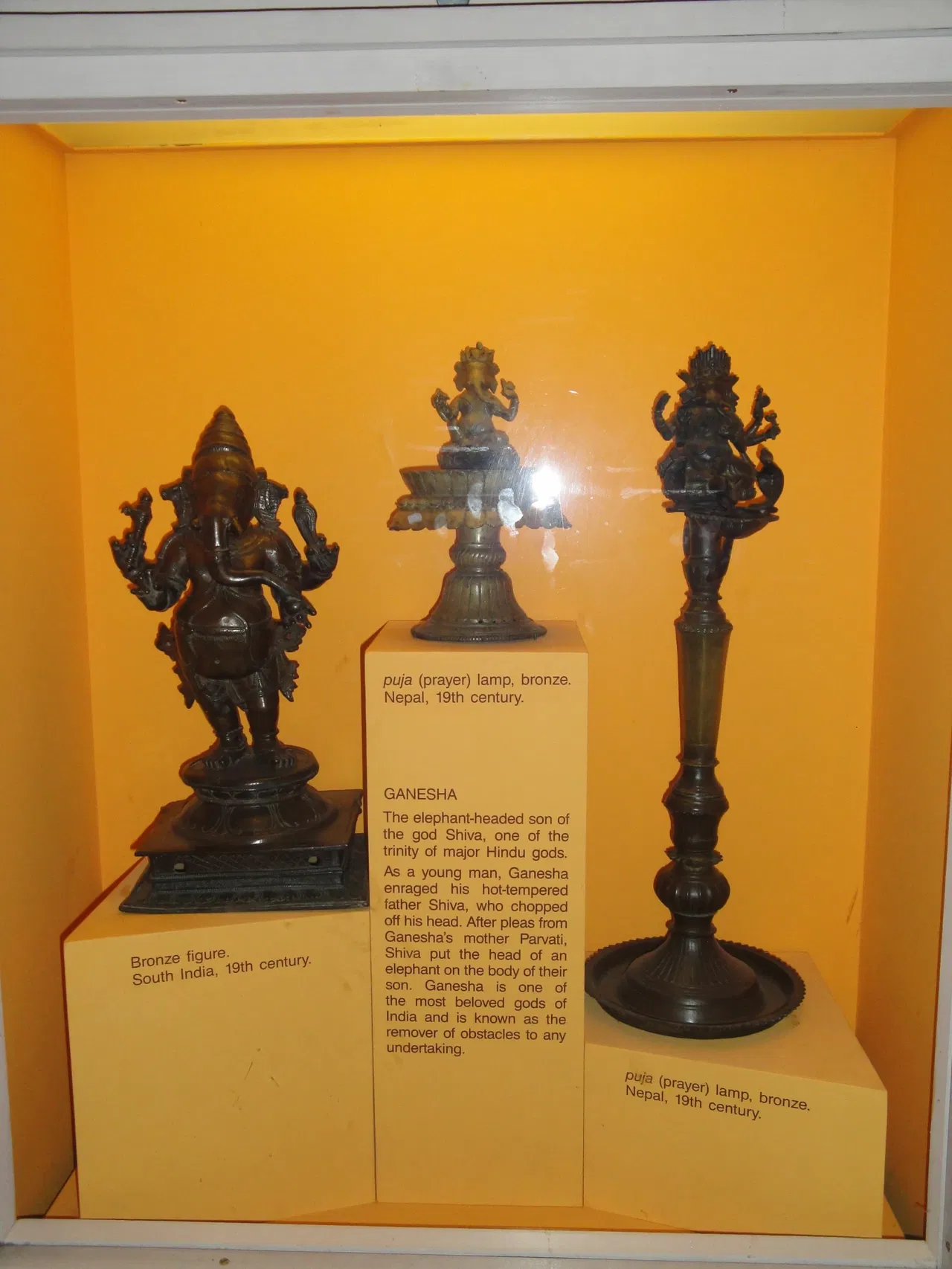
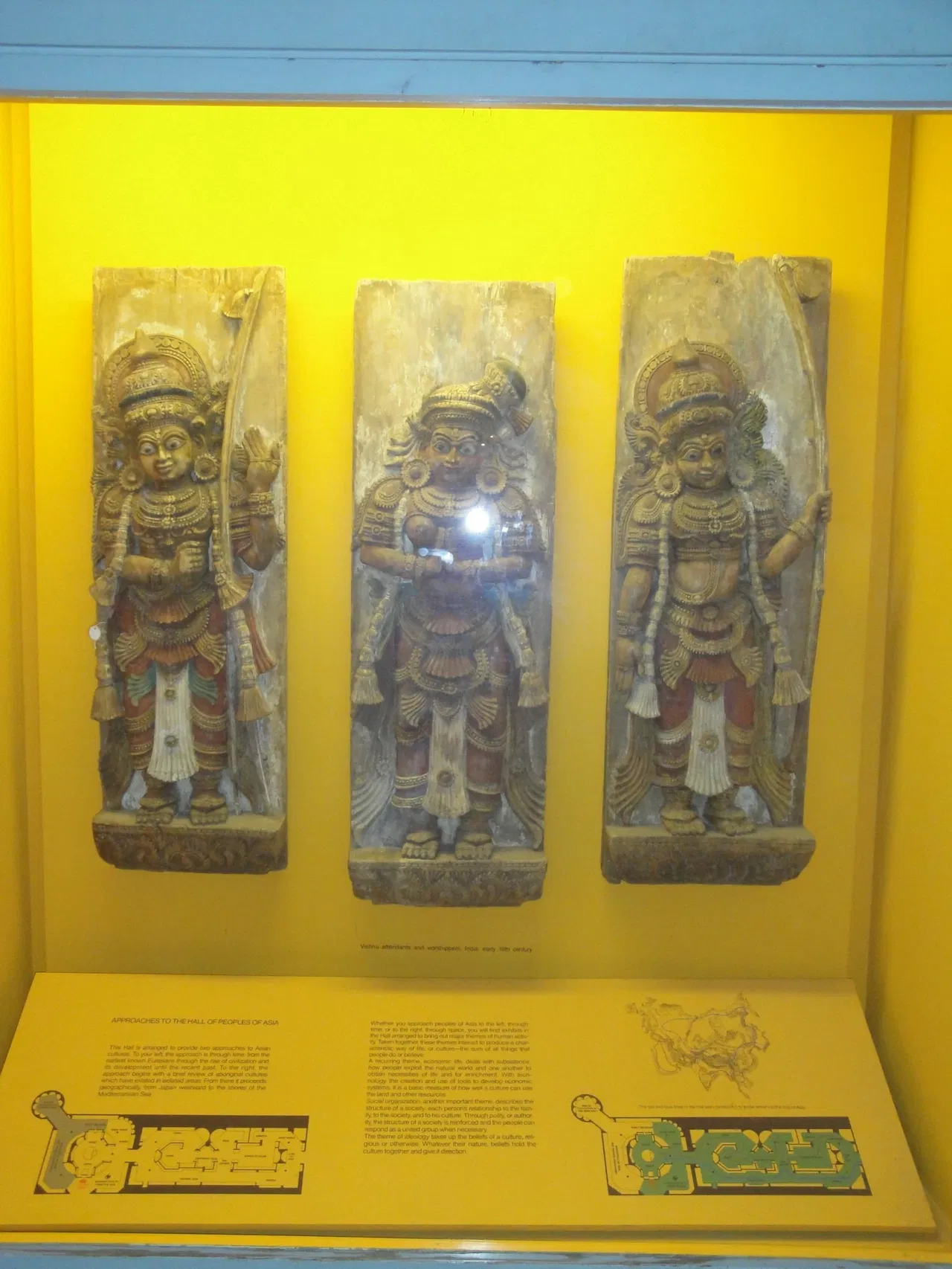
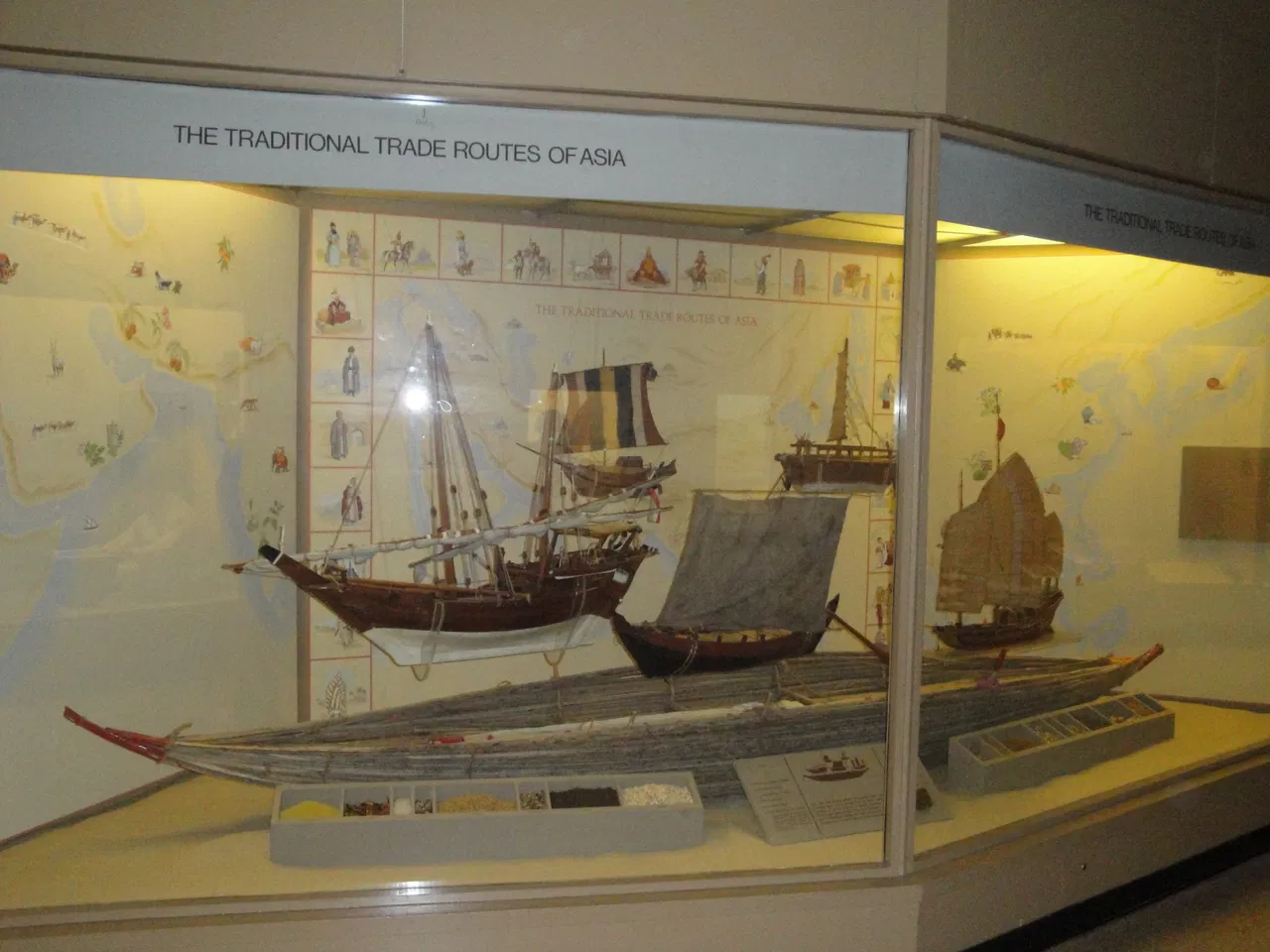
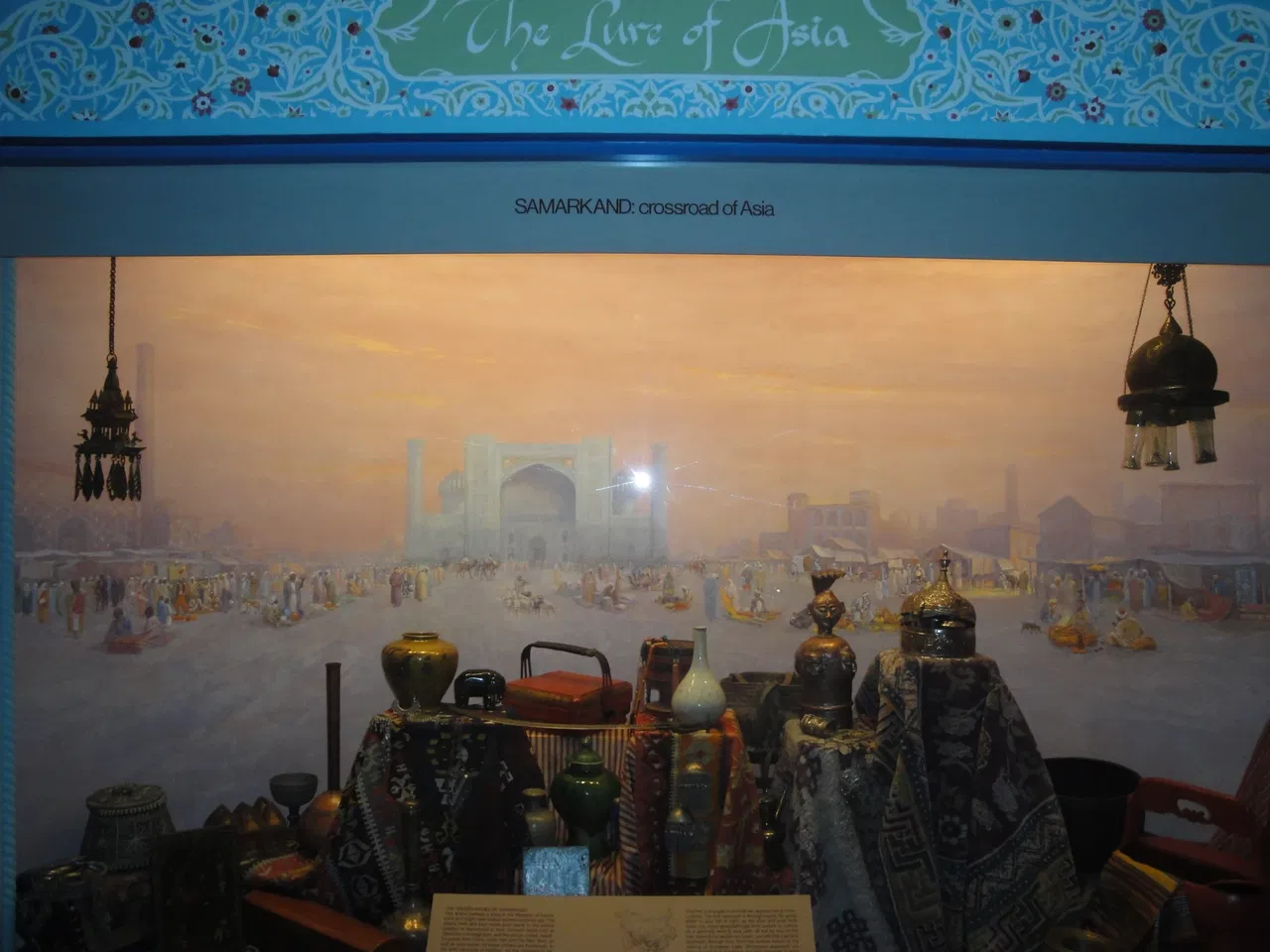
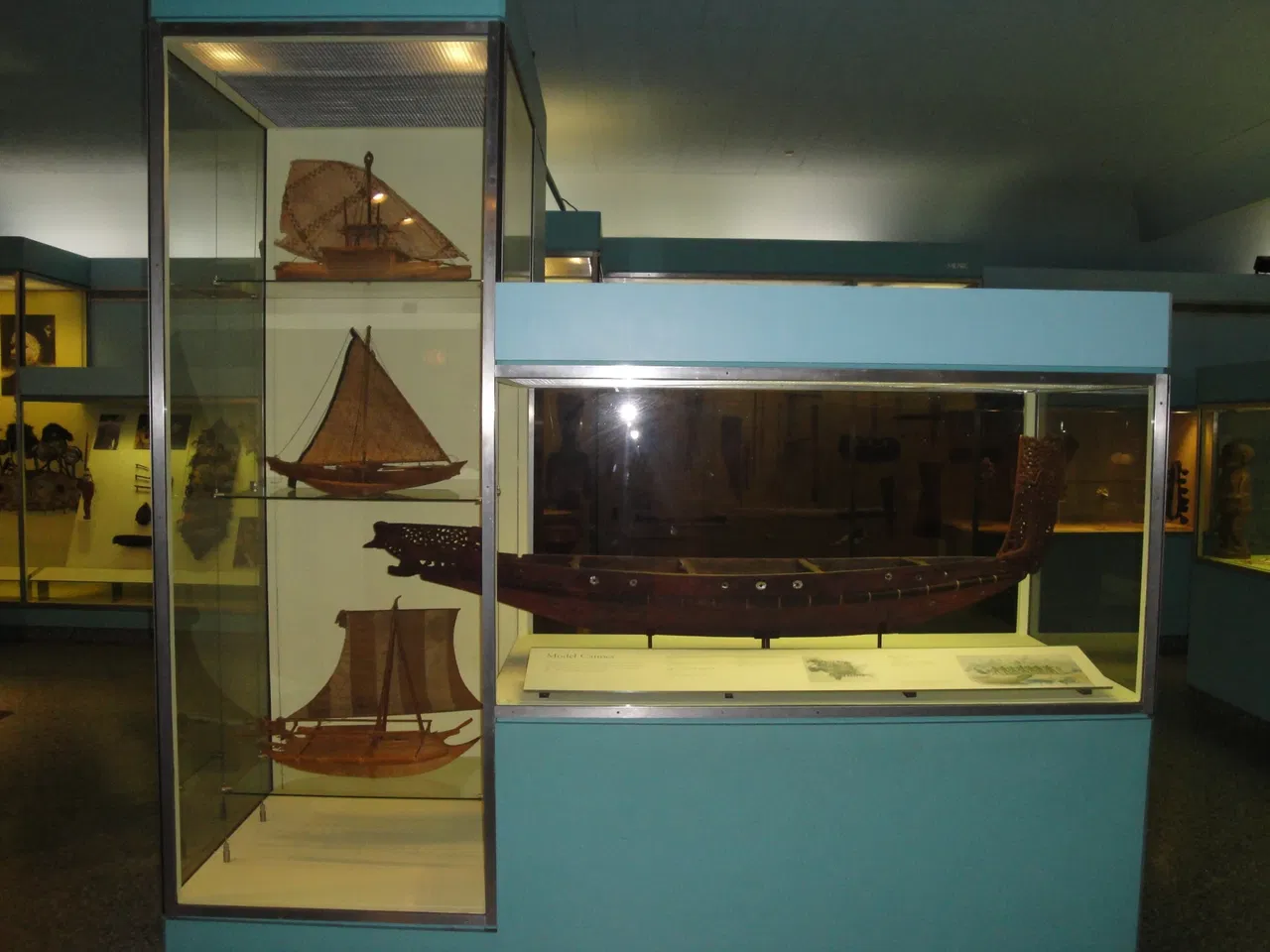
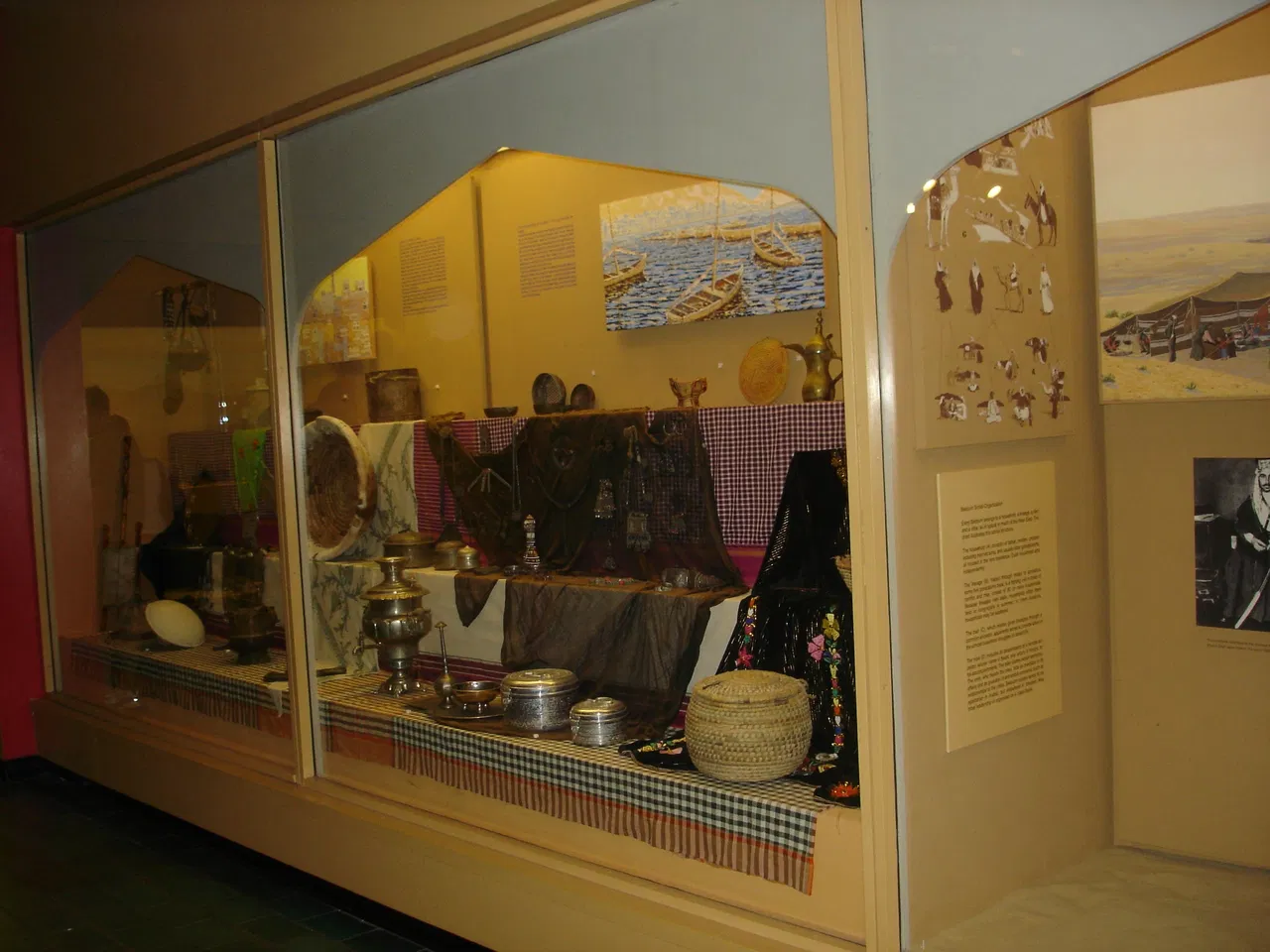
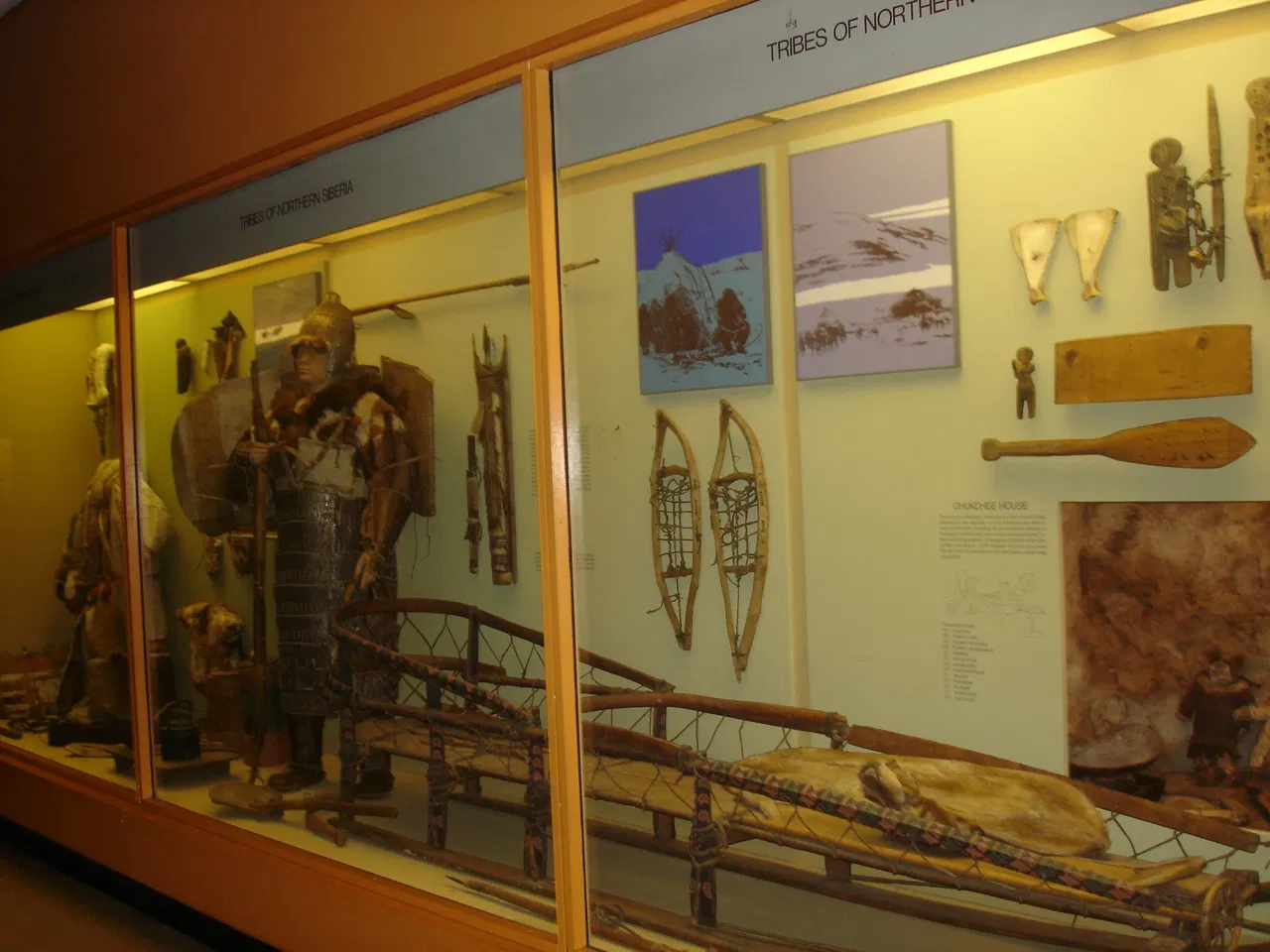
At this point, Wife was ready to call it quits. I wanted to see the dinosaur exhibits, which was on Floor 4. She was interested in Gardner D. Stout Hall of Asian Peoples that was on Floor 2. According to the map, Asian Peoples had the largest floor area and certainly felt like it. Unlike the layout of Northwest Coast where one could access to and from any point in the hall, Asian Peoples had wall partitions and aisles flanked on both sides by enclosed exhibits. Lots of life-sized dioramas of human figurines in period costumes, minimalist homesteads, domestic tools and wares, weapons, statues and miniature ships that represented the diverse cultures across Asia. Most notable were the Chinese and Japanese ones with artifacts from religion (especially Buddhism), mythology (including the Eight Immortals) and theater (Noh and Chinese opera masks).
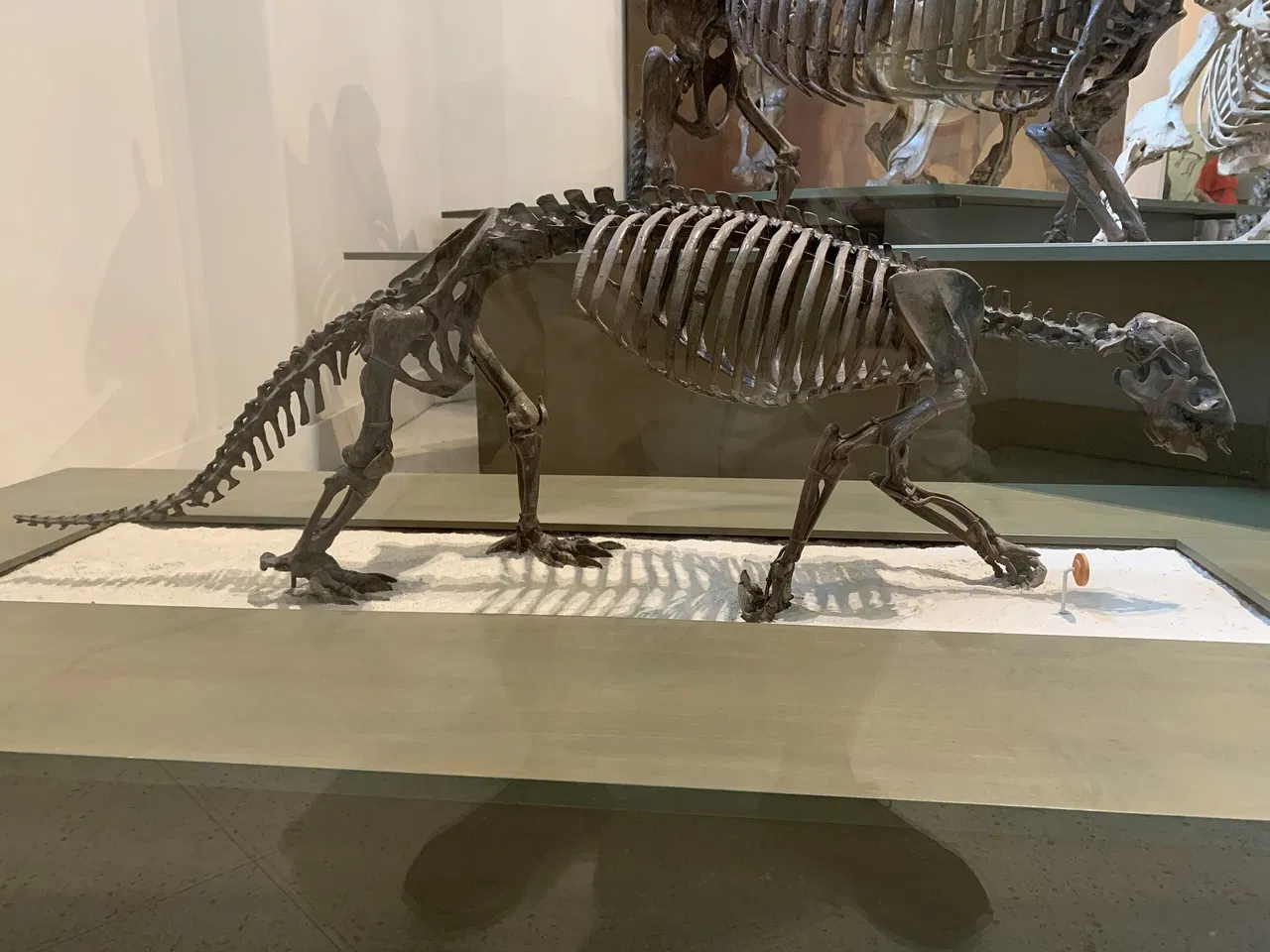
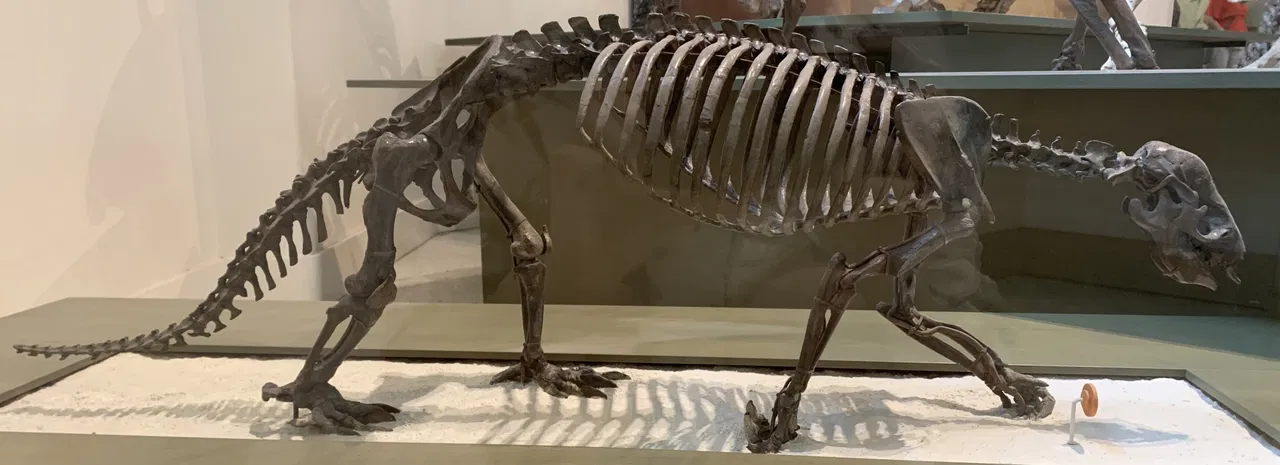
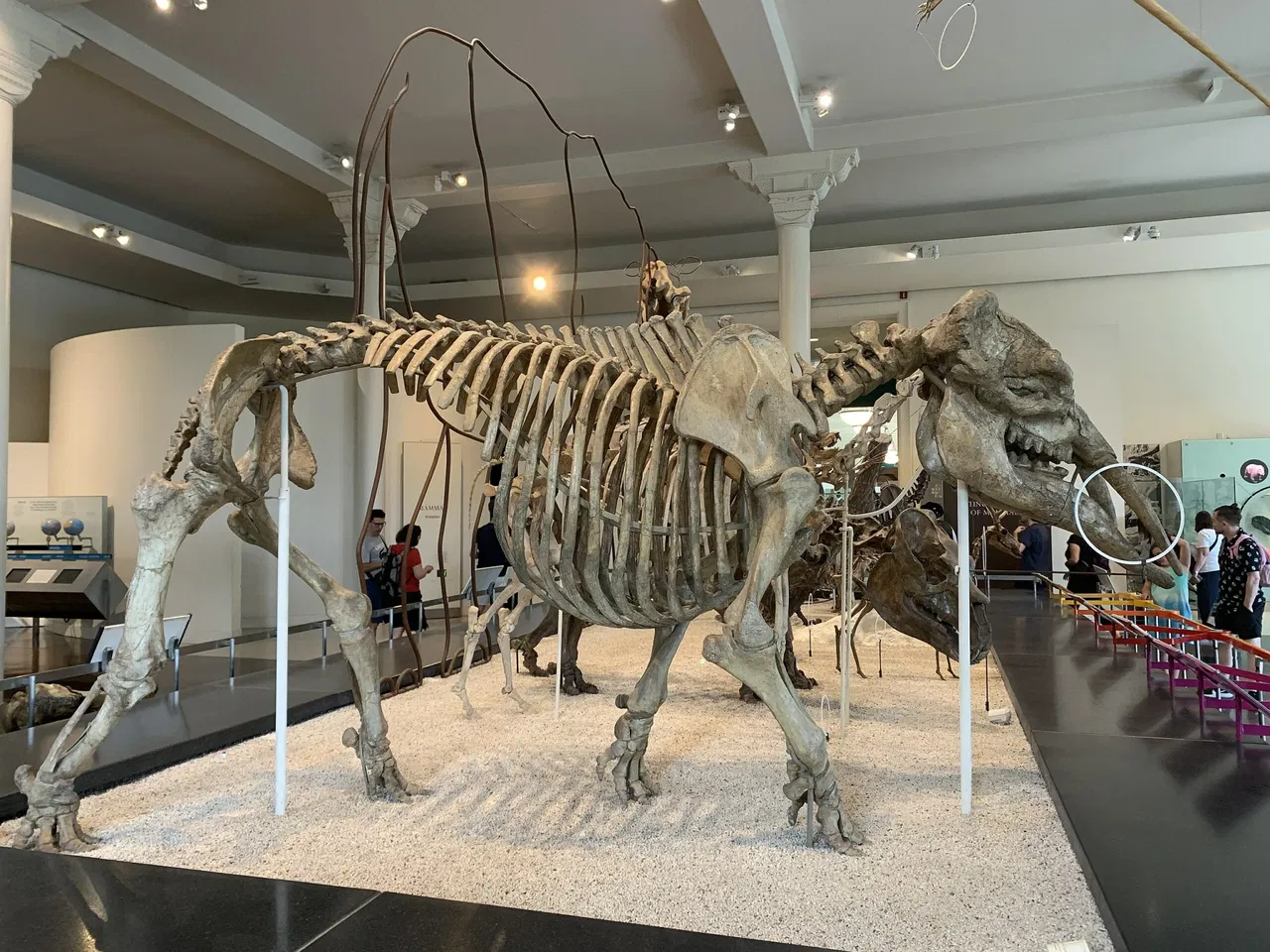
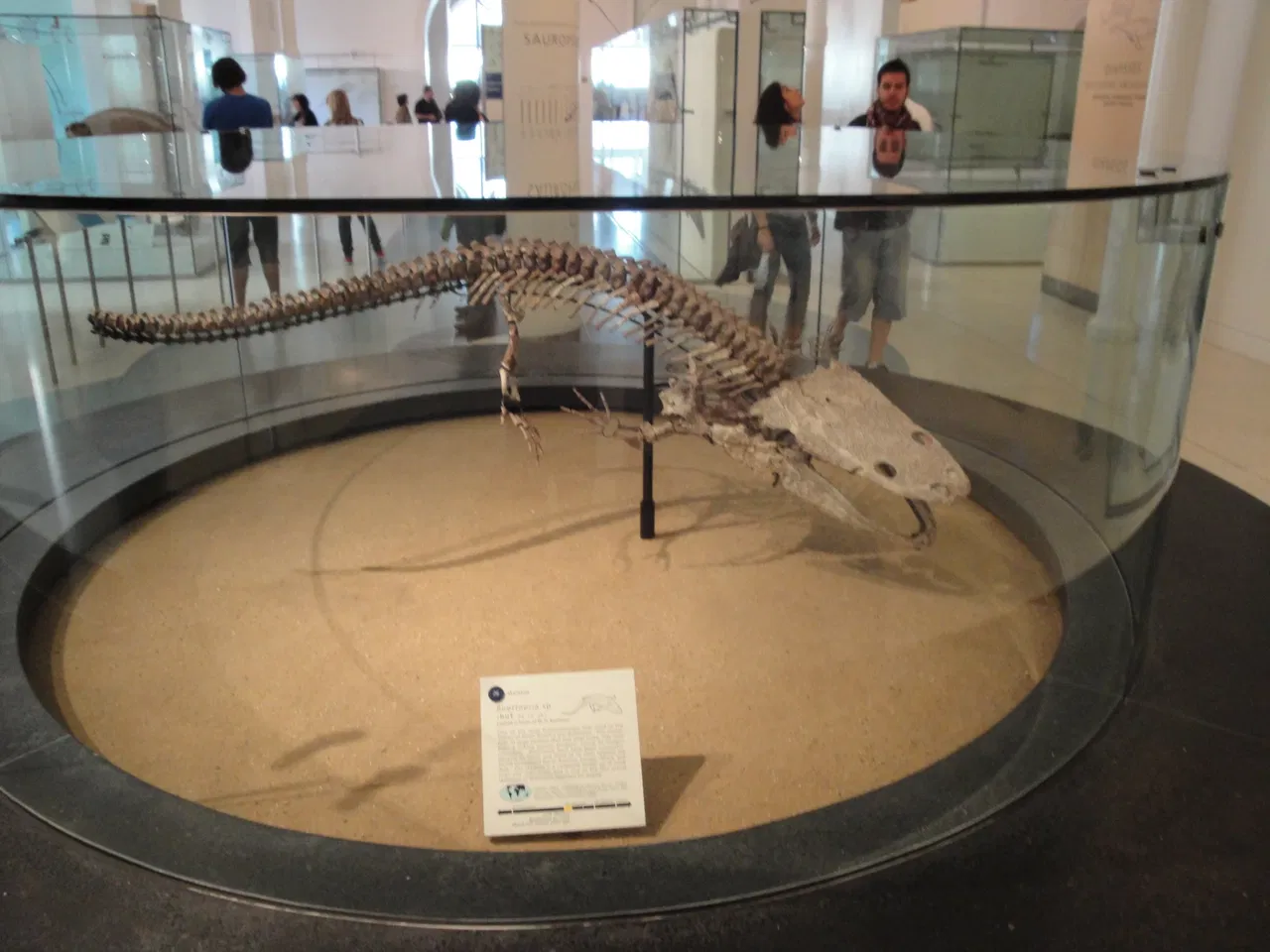
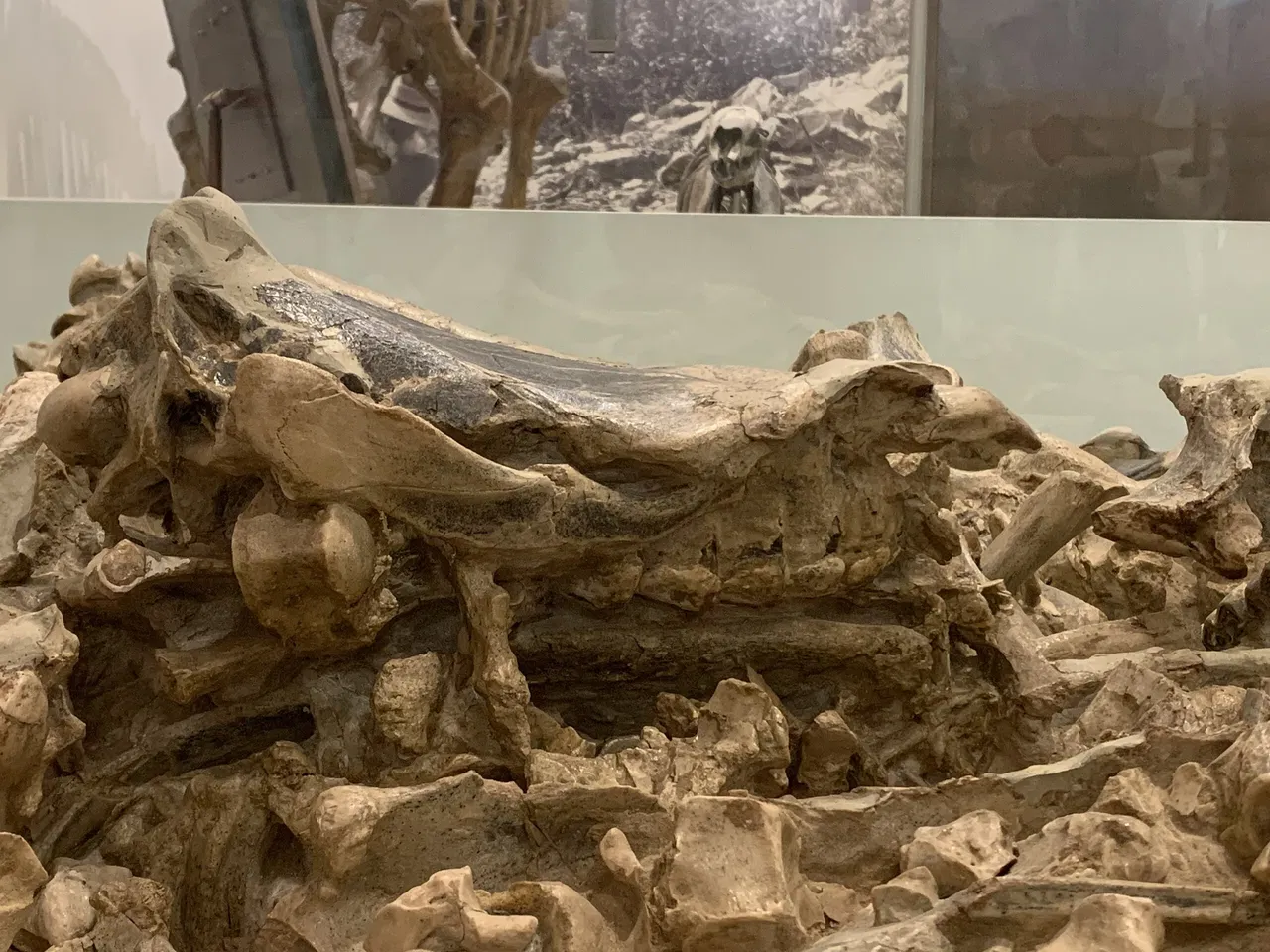
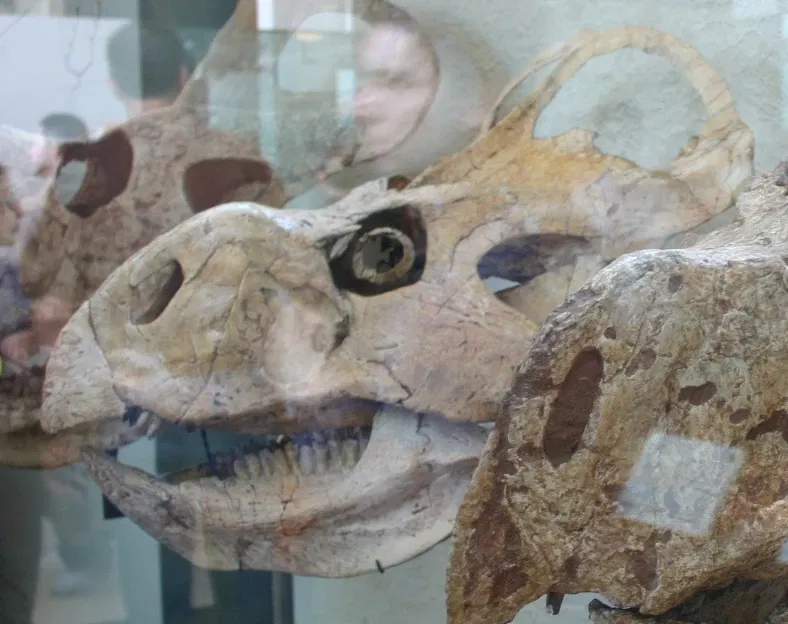
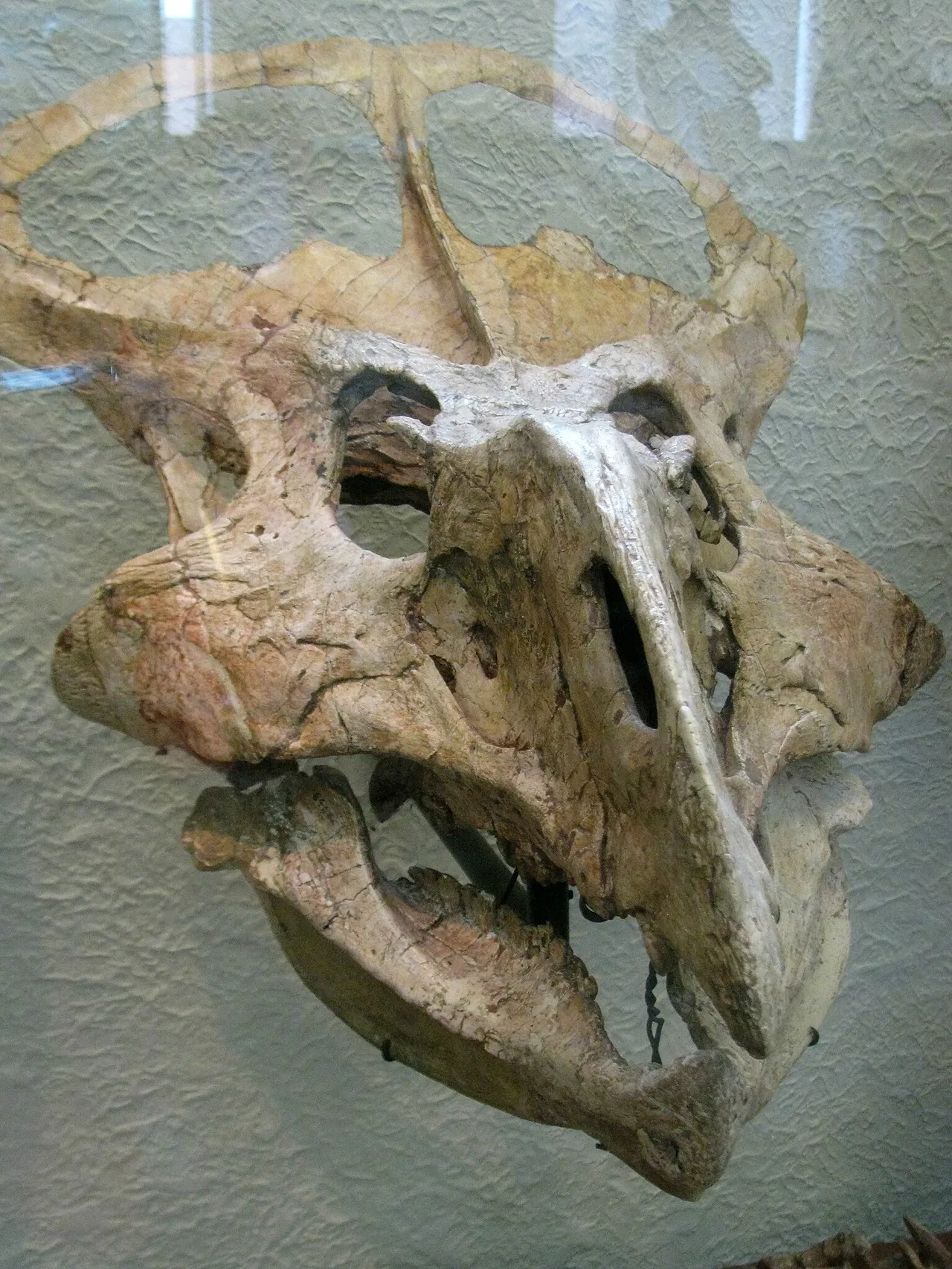
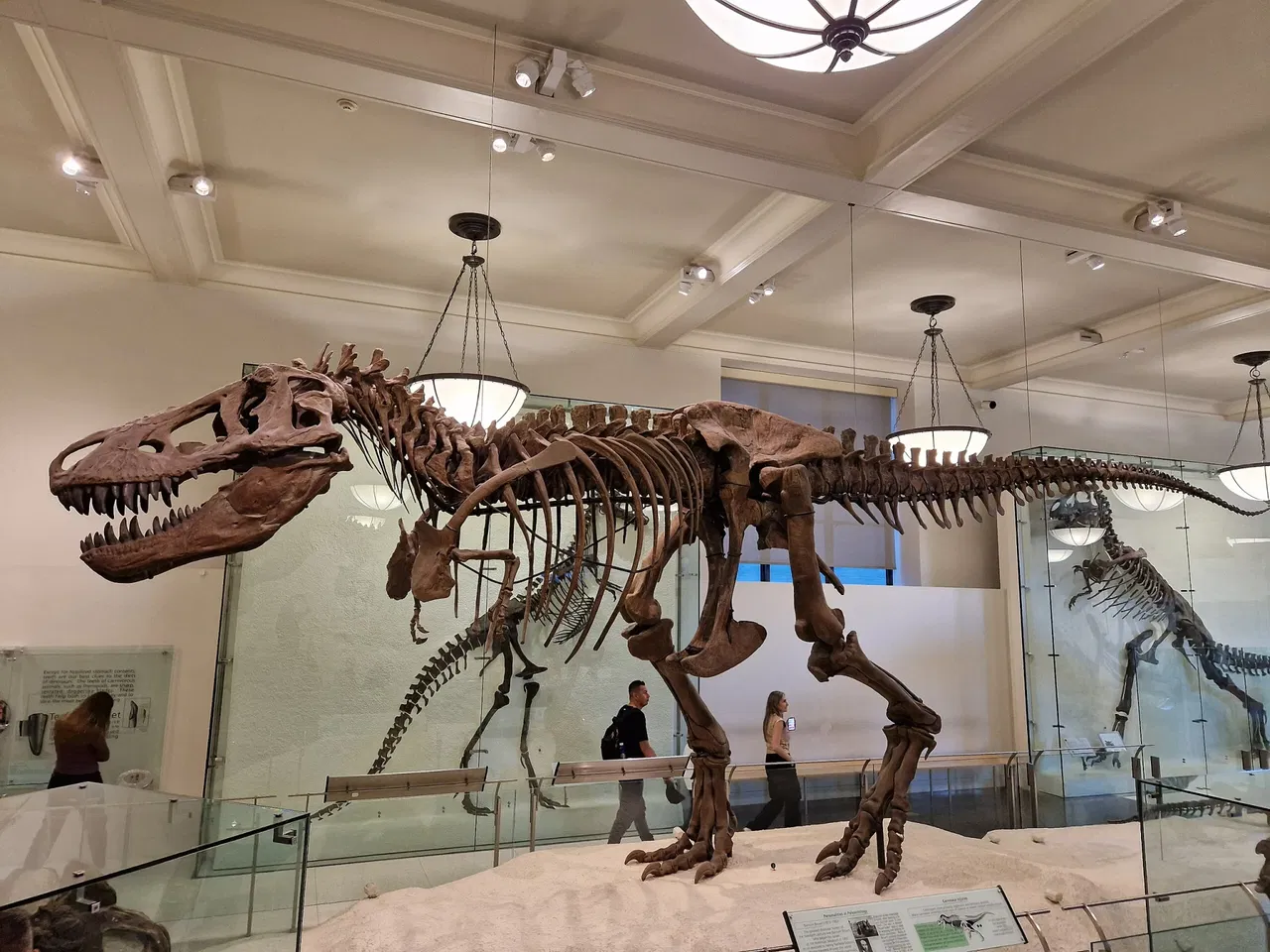
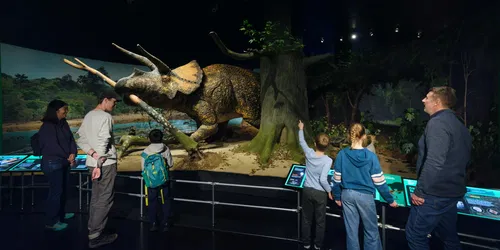
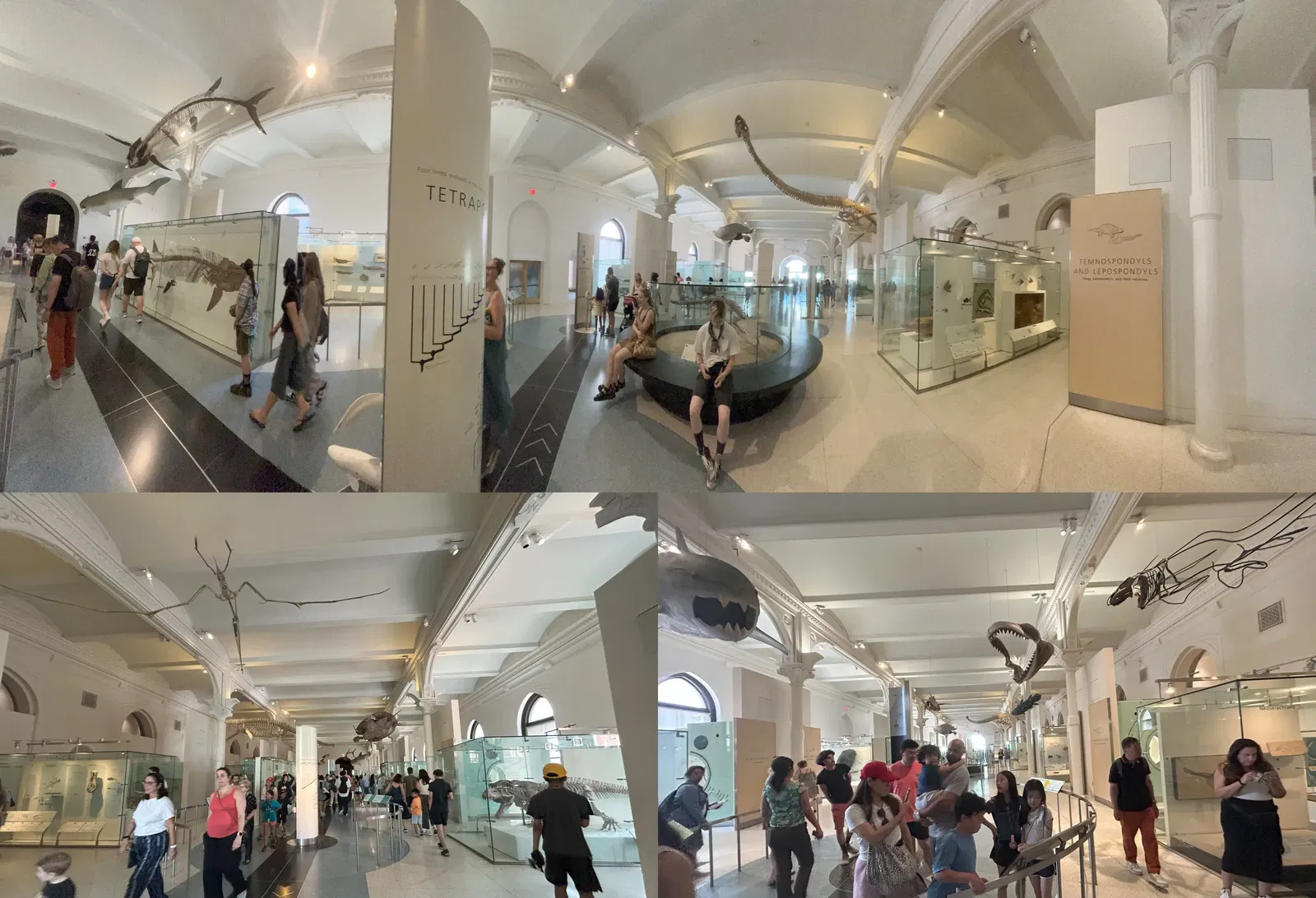
Finally, the dinosaurs on Floor 4. In the Hall of Saurischian Dinosaurs, I saw the t-rex and the apatosaurus. A guide told us that we happened to be in the final hall and suggested that we backtracked using the arrows on the floor to see the others. From there, we went into the long, large Hall of Vertebrate Origins. Unlike the former, the latter had life-sized models and fossils hanging from the ceiling. I didn't realize a pterodactyl was in my photo until much later. The Orientation Center did indeed have the titanosaur with its neck stretching to the next hall. Sadly, the pictures I took of it didn't turn out good. On to Paul and Irma Milstein Hall of Advanced Mammals, then the Hall of Primitive Mammals, and finally the Hall of Ornithischian Dinosaurs for the triceratops and the stegosaurus. I'm pleased that the five original Dinobots (from "The Transformers" series) were represented.
After almost two hours in the museum, Wife wanted to leave. Otherwise, I'd have spent the rest of the day exploring the rest of the museum. It would take more than a day to appreciate every exhibit in every hall on every floor. The ticket price felt like a bargain, but we got $30 worth of it. My top three favorite exhibits are Ocean Life, the entire Floor 4 of dinosaurs, and Biodiversity. I'd love to come back here again.
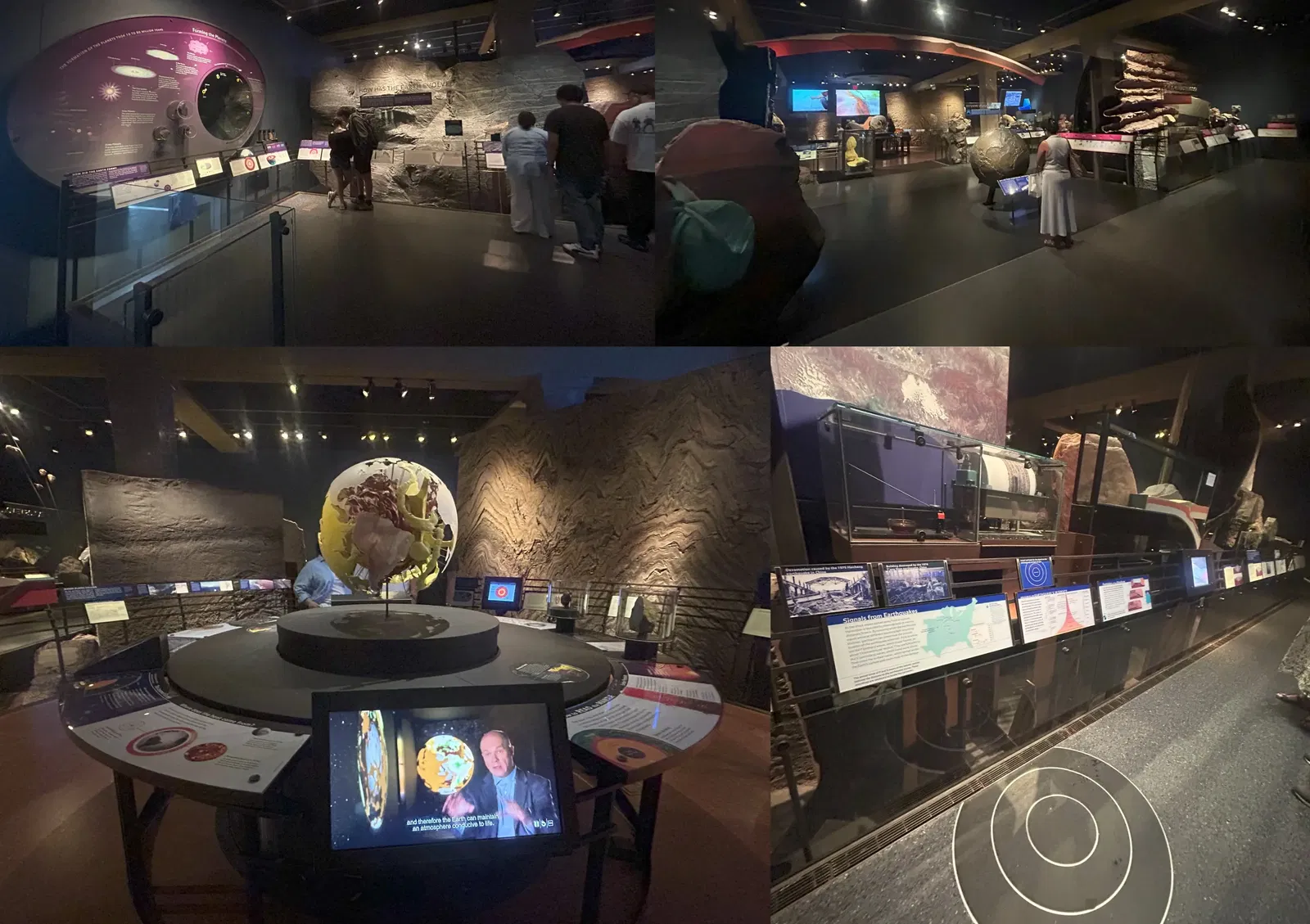
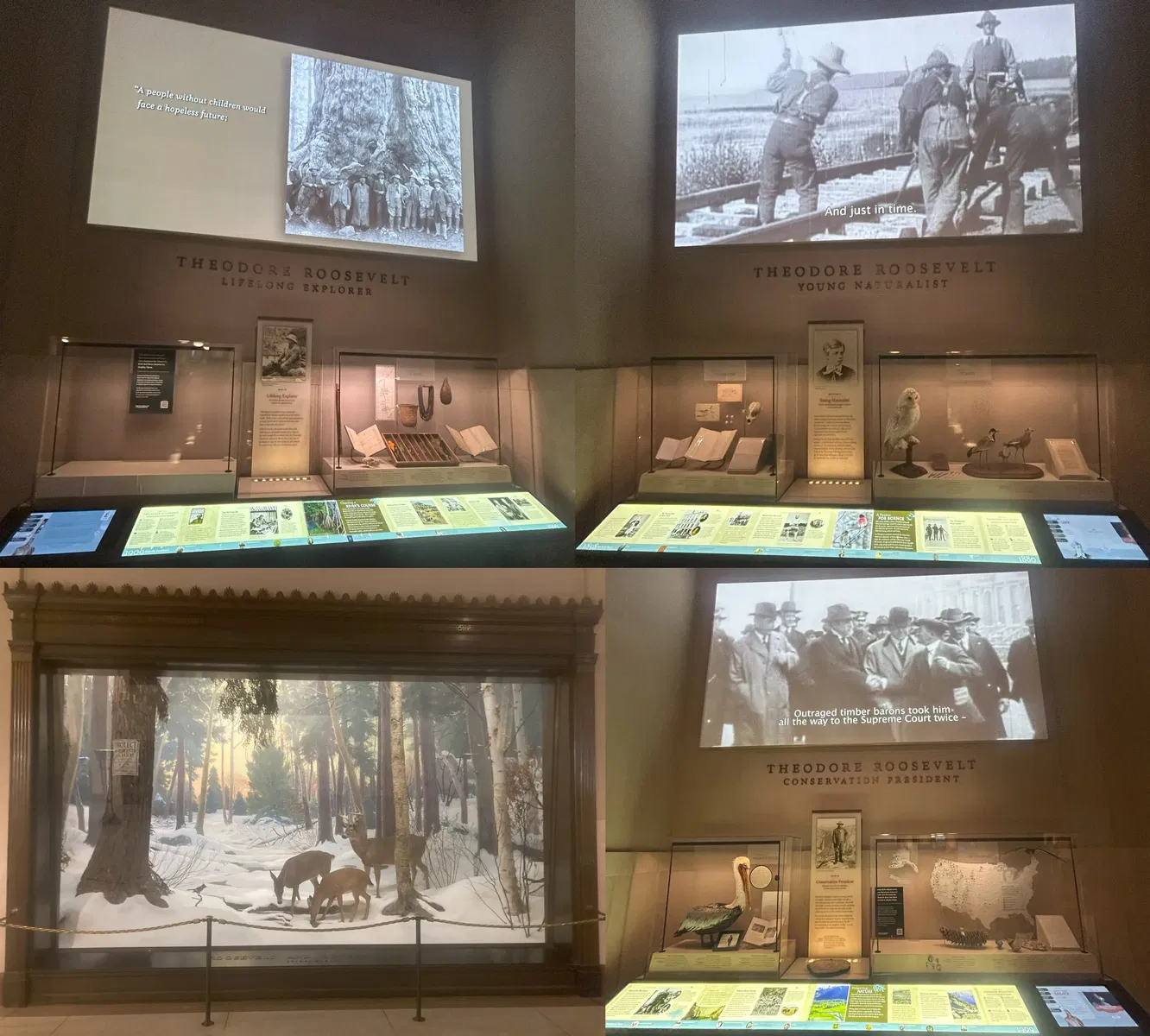
Besucht am 25.06.2025
Diese Bewertung basiert auf der Bewertung dieses Museums auf mehreren anderen Plattformen.
Entdecke Museen in der Nähe von American Museum of Natural History in oder um New York.