Bilder von Center For Civil and Human Rights
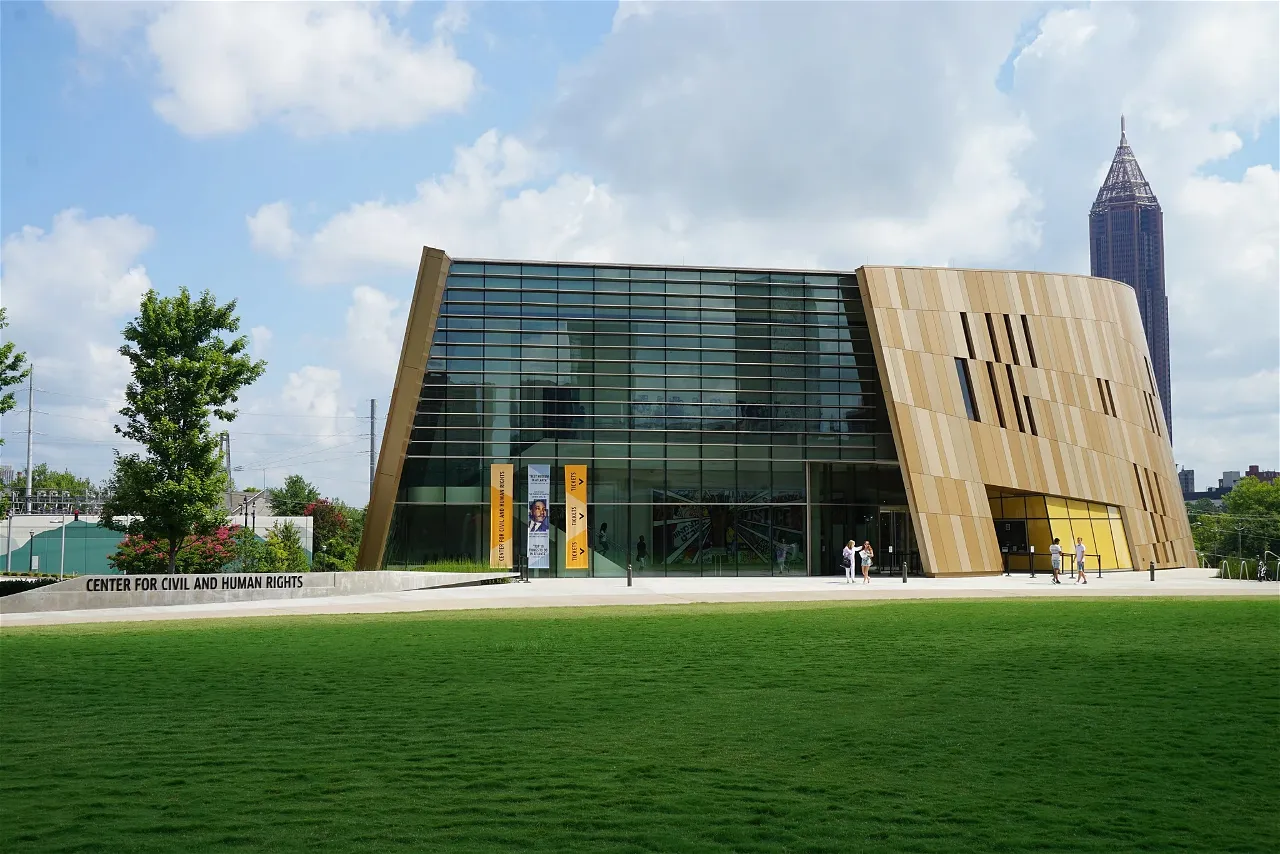
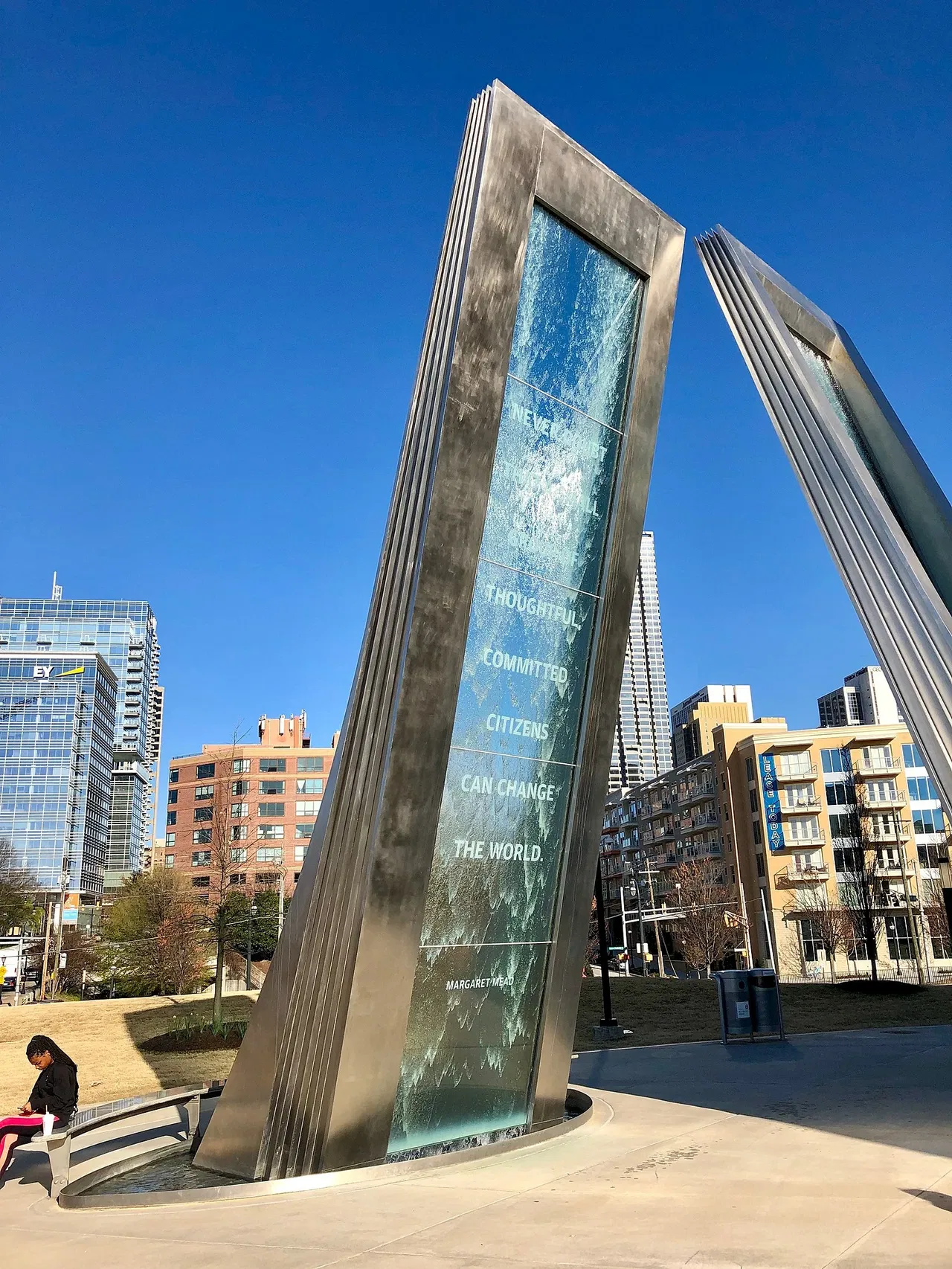
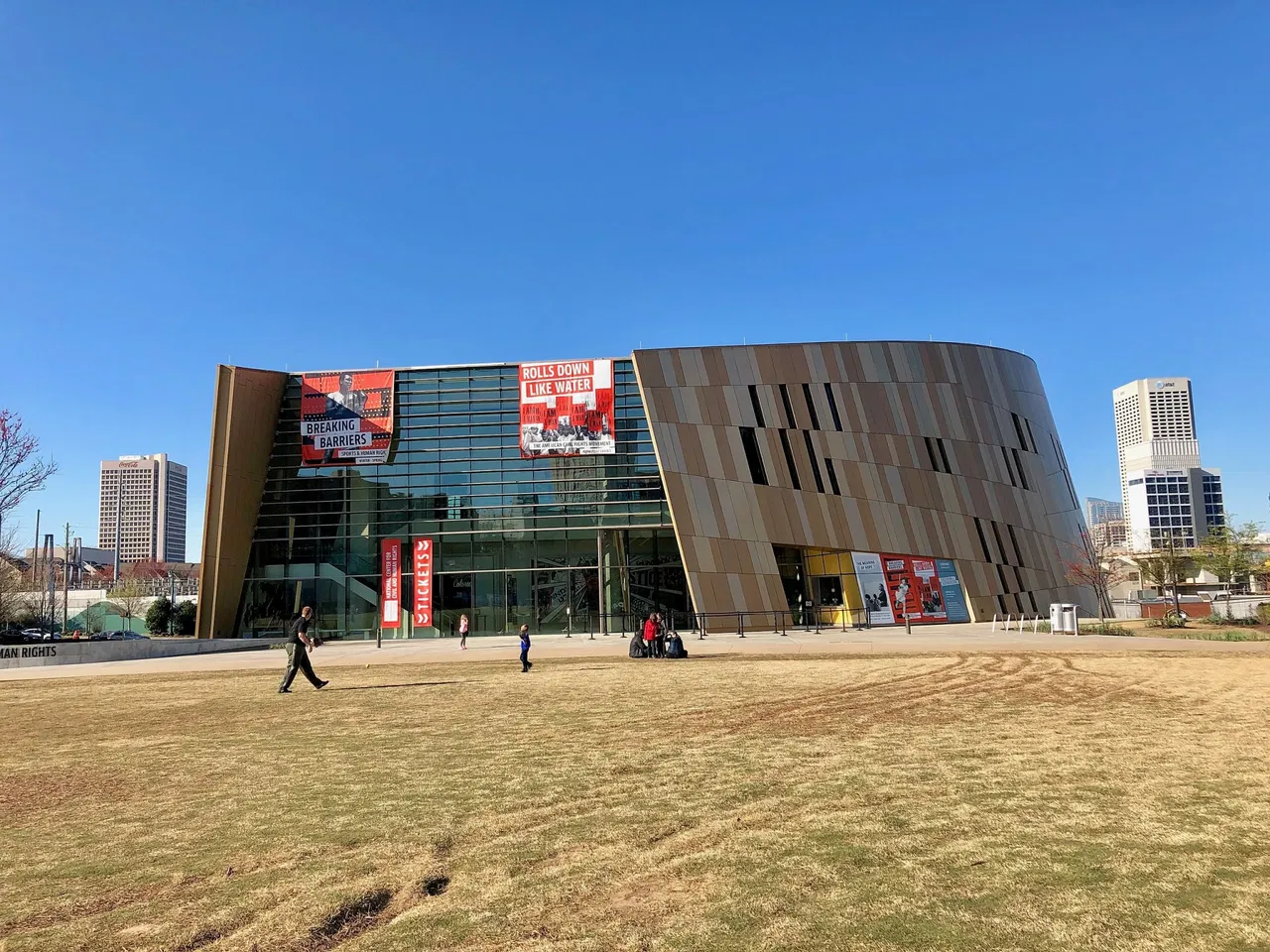
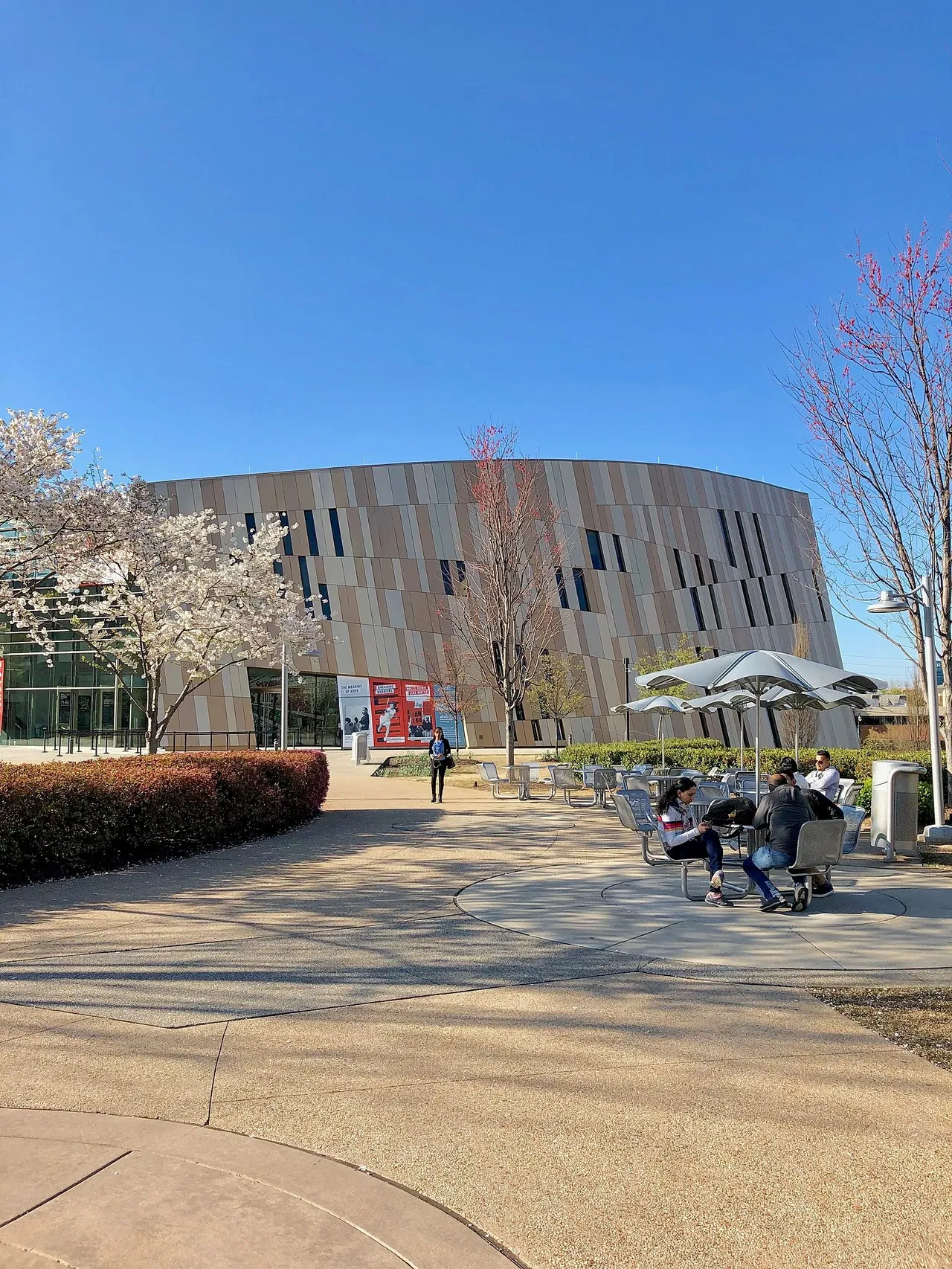
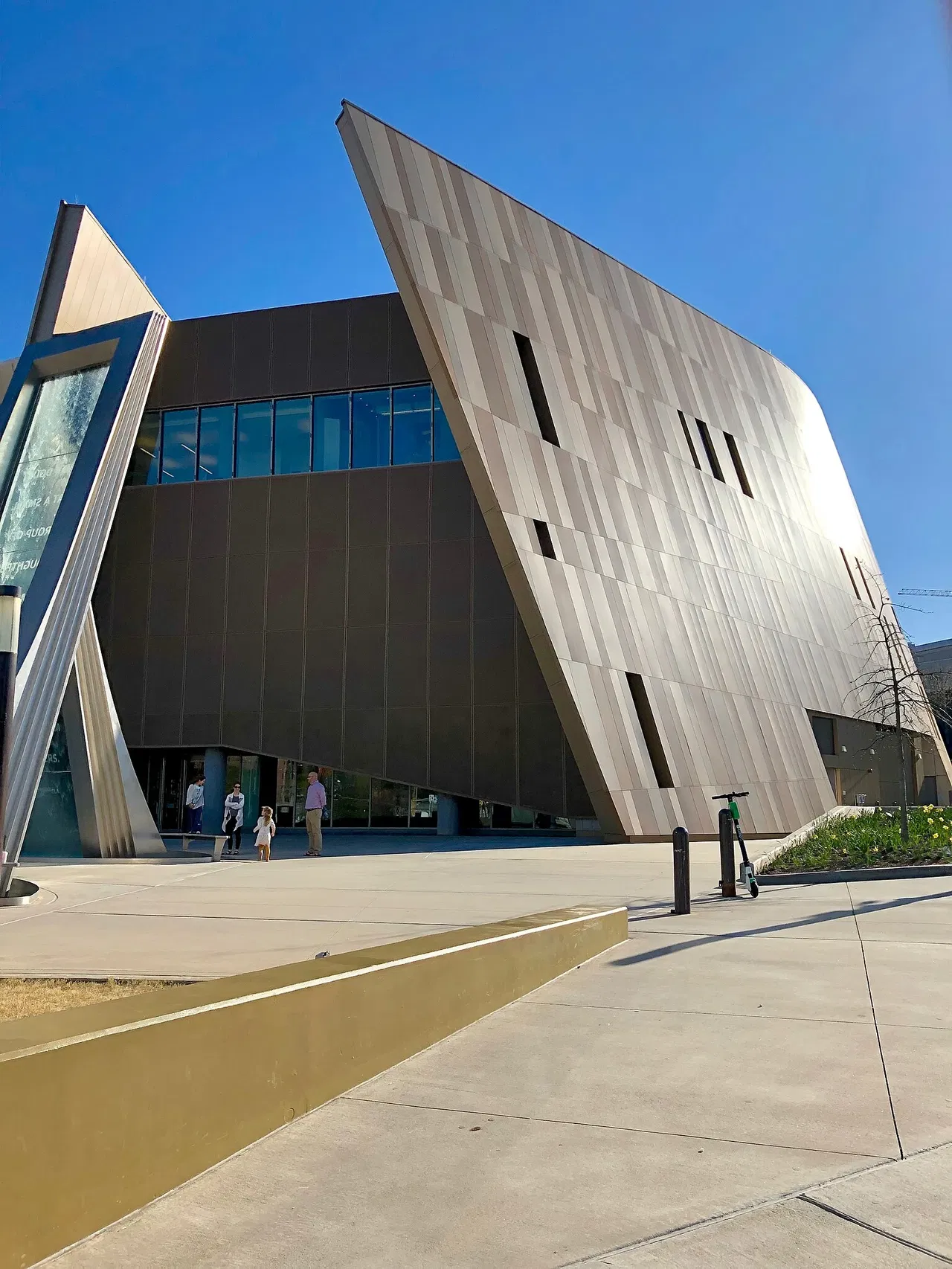
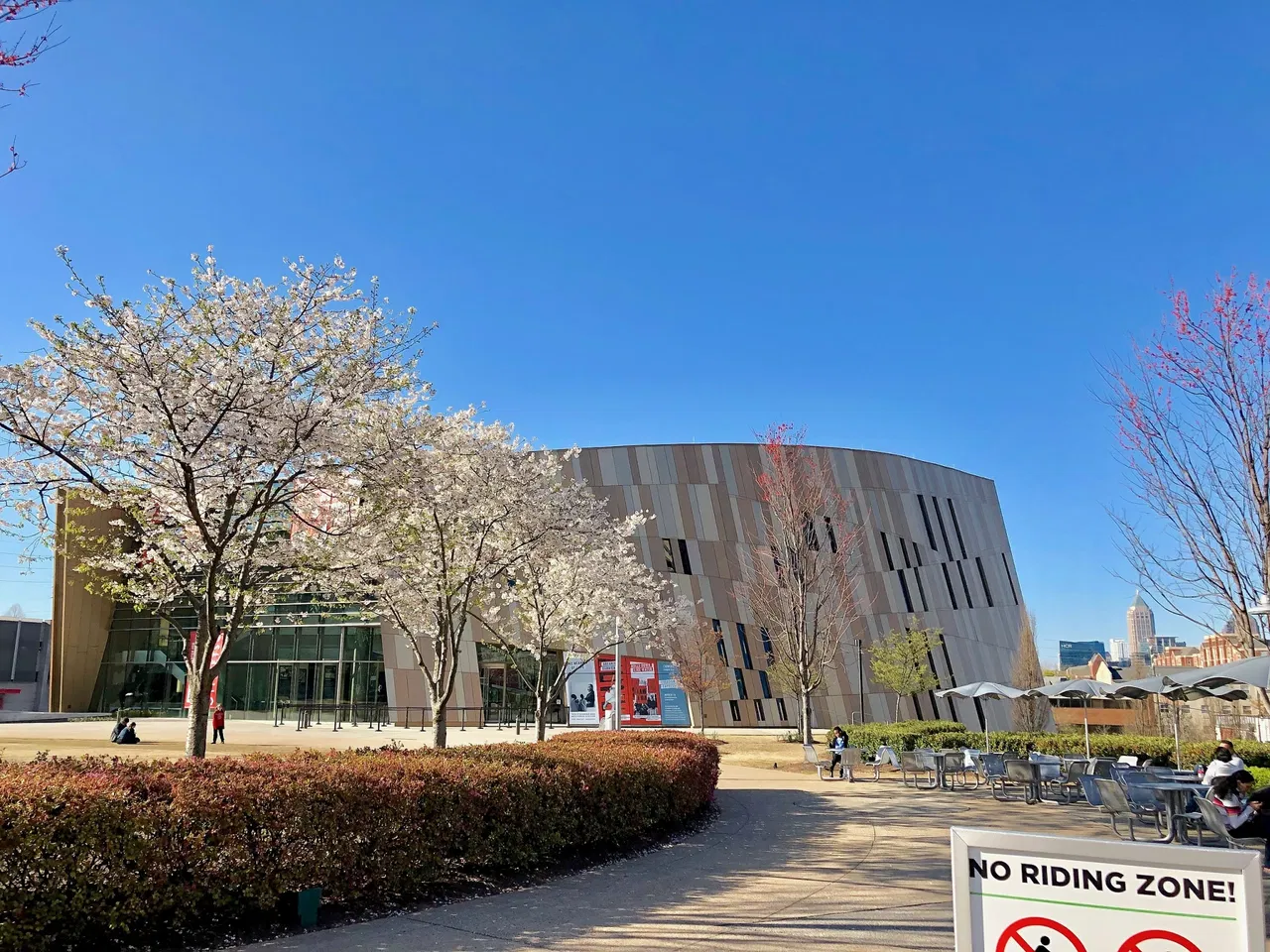
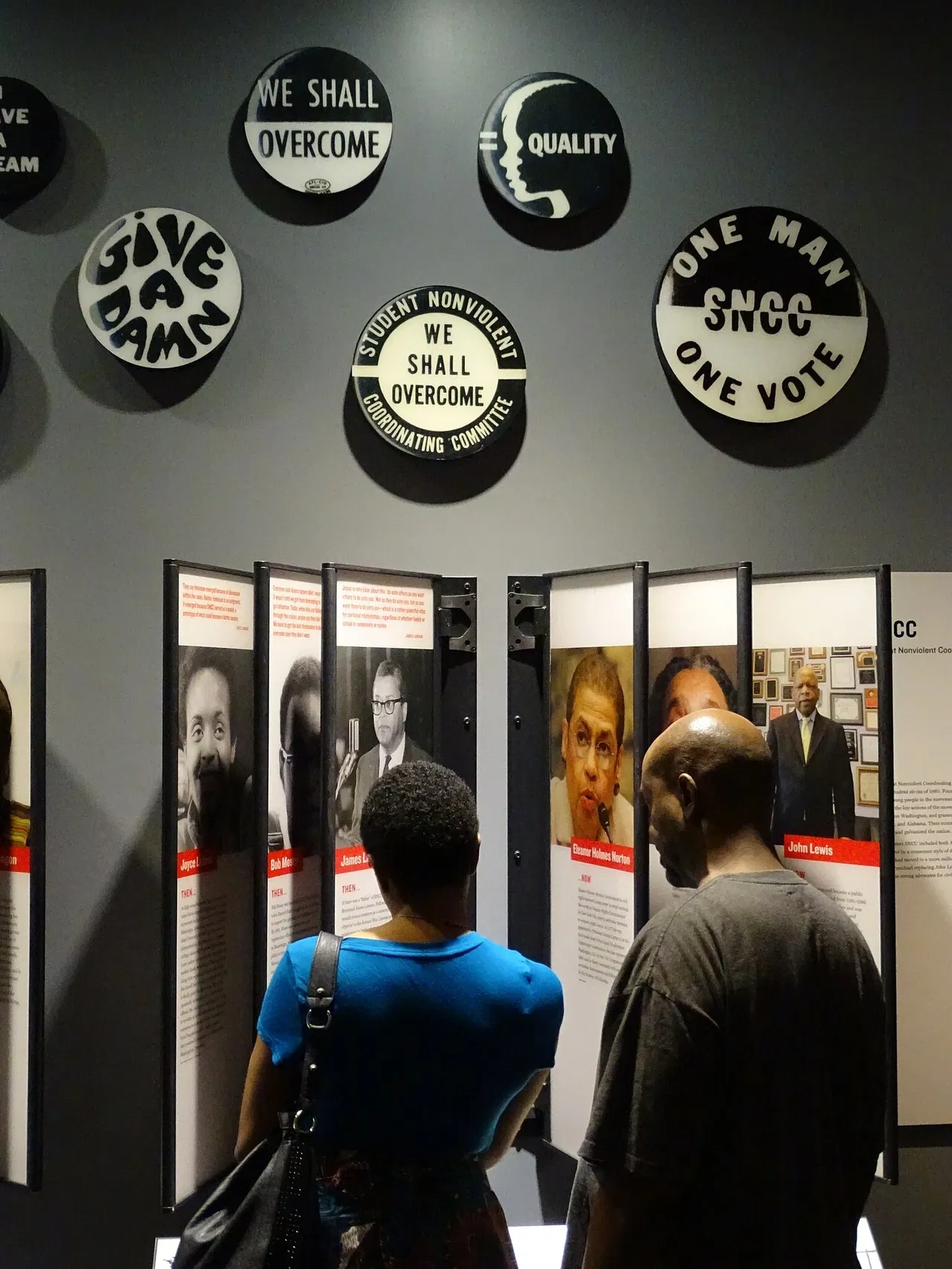

Das National Center for Civil and Human Rights (Nationales Zentrum für Bürger- und Menschenrechte) in der Innenstadt von Atlanta, Georgia, ist ein Museum, das die Errungenschaften der Bürgerrechtsbewegung in den Vereinigten Staaten und der breiteren globalen Menschenrechtsbewegung würdigt. Das Museum wurde am 23. Juni 2014 für die Öffentlichkeit eröffnet und wurde von Schlüsselfiguren der Bürgerrechtsbewegung konzipiert, darunter Evelyn Lowery, Juanita Abernathy, der ehemalige Bürgermeister von Atlanta, Andrew Young, und der Abgeordnete John Lewis.
Das Nationale Zentrum für Bürger- und Menschenrechte liegt günstig in der Innenstadt von Atlanta, Georgia, in der Nähe von drei beliebten Touristenattraktionen. Dazu gehören das Georgia Aquarium, die World of Coca-Cola und der Centennial Olympic Park. Dank dieser Lage lässt es sich leicht in die Reiseroute eines jeden Touristen einbauen, denn so können die Besucher mehrere Attraktionen in einem Gebiet erkunden.
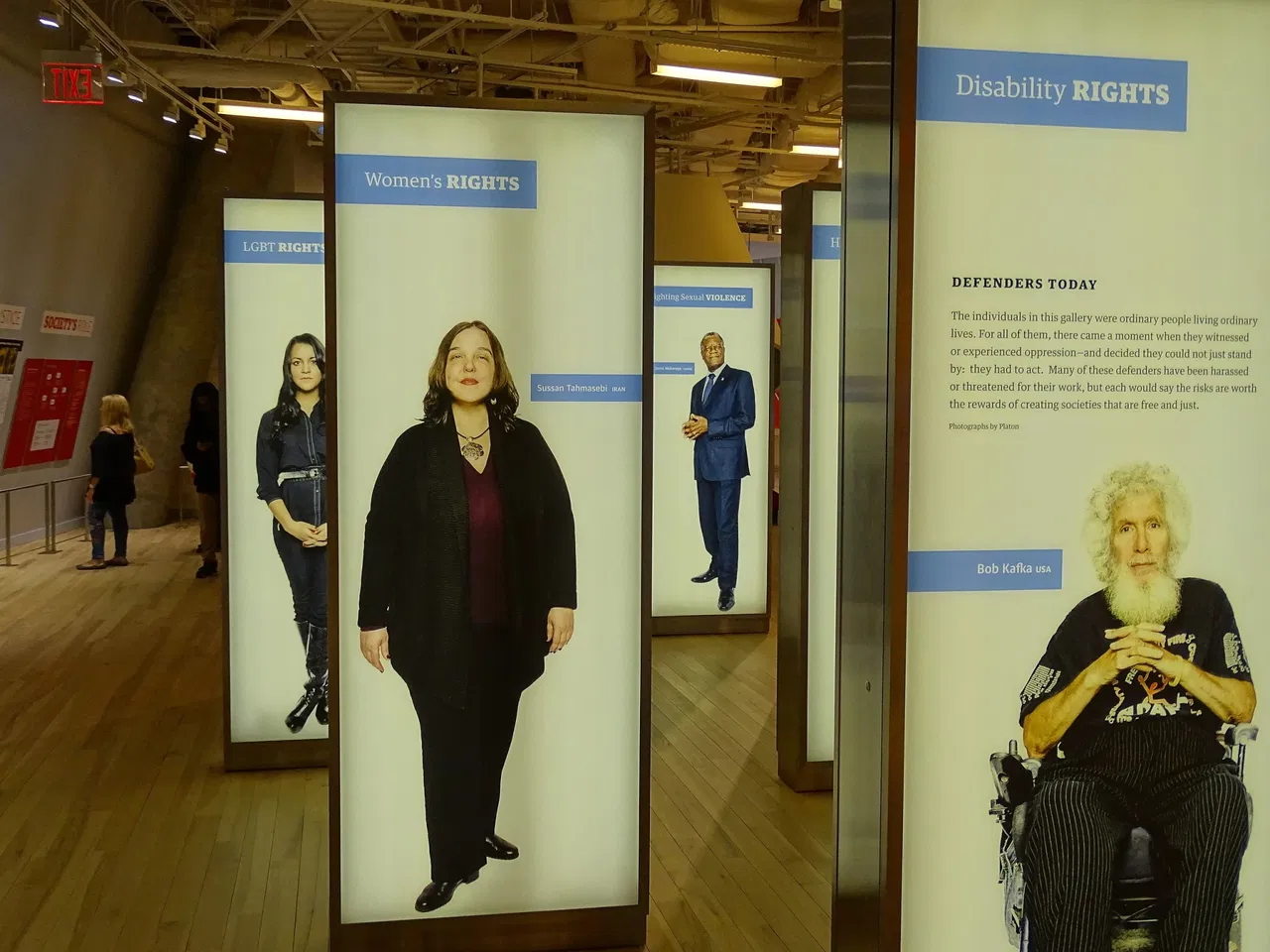
Das Museum beherbergt drei Dauerausstellungen, die in etwa 75 Minuten besichtigt werden können. Diese Ausstellungen erzählen nicht nur die Geschichte der Bürgerrechtsbewegung in den Vereinigten Staaten, sondern auch, wie diese Zeit mit den heutigen Menschenrechtskämpfen in der ganzen Welt zusammenhängt. Zu den Ausstellungen gehören 'Voice to the Voiceless: Die Sammlung Martin Luther King, Jr. des Morehouse College Collection", "Rolls Down Like Water: The American Civil Rights Movement" und "Spark of Conviction: Die globale Menschenrechtsbewegung".
Geschichte & Anthropologie Historisches Haus Person & Künstler Religion
#3 Geschichte & Anthropologie Atlanta #2 Historische Häuser Atlanta #3 Personen- & Künstlermuseen Atlanta #2 Religionsmuseen Atlanta #5 Geschichte & Anthropologie Georgia #3 Historische Häuser Georgia #3 Personen- & Künstlermuseen Georgia #2 Religionsmuseen Georgia #60 Geschichte & Anthropologie Vereinigte Staaten #43 Historische Häuser Vereinigte Staaten #28 Personen- & Künstlermuseen Vereinigte Staaten #20 Religionsmuseen Vereinigte Staaten
Ivan Allen Jr Boulevard 100, Atlanta
Keine Ausstellungen in Center For Civil and Human Rights gefunden.
Center For Civil and Human Rights hat 2 Bewertungen.
Das Center For Civil and Human Rights in Atlanta, Vereinigte Staaten, bietet Besuchern eine eindringliche und zum Nachdenken anregende Erfahrung. Das Museum liegt in der Innenstadt von Atlanta und bietet einen detaillierten Einblick in die amerikanische Bürgerrechtsbewegung und globale Menschenrechtsfragen.
Die Exponate sind gut gestaltet und interaktiv und vermitteln effektiv die Kämpfe und Triumphe der Bürgerrechtsära. Viele Besucher schätzen die immersiven Erlebnisse, wie die Mittagstisch-Simulation, die ein greifbares Gefühl für die Herausforderungen vermittelt, denen sich Aktivisten stellten. Das Museum leistet hervorragende Arbeit, indem es historische Ereignisse mit gegenwärtigen Menschenrechtsfragen weltweit verbindet.
Der Inhalt des Museums ist informativ und emotional eindrücklich und behandelt sowohl bekannte Persönlichkeiten als auch weniger bekannte Helden der Bürgerrechtsbewegung. Die Martin Luther King Jr.-Sammlung ist besonders bemerkenswert und zeigt persönliche Gegenstände und Schriften des Bürgerrechtsführers.
Während die meisten Besucher die Erfahrung als zutiefst bewegend und lehrreich empfinden, merken einige an, dass bestimmte Bereiche des Museums zu Stoßzeiten überfüllt sein können. Einige Besucher erwähnen, dass einige Ausstellungen für jüngere Kinder zu intensiv sein könnten, daher wird elterliche Anleitung empfohlen.
Das Personal wird im Allgemeinen als freundlich und sachkundig beschrieben, was das Gesamterlebnis verbessert. Die Architektur und das Layout des Museums sind modern und zugänglich, mit guter Nutzung von Multimedia-Präsentationen, um Besucher anzusprechen.
Insgesamt ist das Center For Civil and Human Rights eine bedeutende kulturelle Institution, die eine umfassende und eindrucksvolle Auseinandersetzung mit der Geschichte der Bürger- und Menschenrechte sowie mit aktuellen Themen bietet. Es ist ein wichtiger Stopp für diejenigen, die sich für soziale Gerechtigkeit und amerikanische Geschichte interessieren.

We visited the National Center for Civil and Human Rights on Jan 6, 2026 as part of Road Scholar's "The Civil Rights Movement - Atlanta, Montgomery, Selma, Birmingham" program. Tickets were covered by the program.
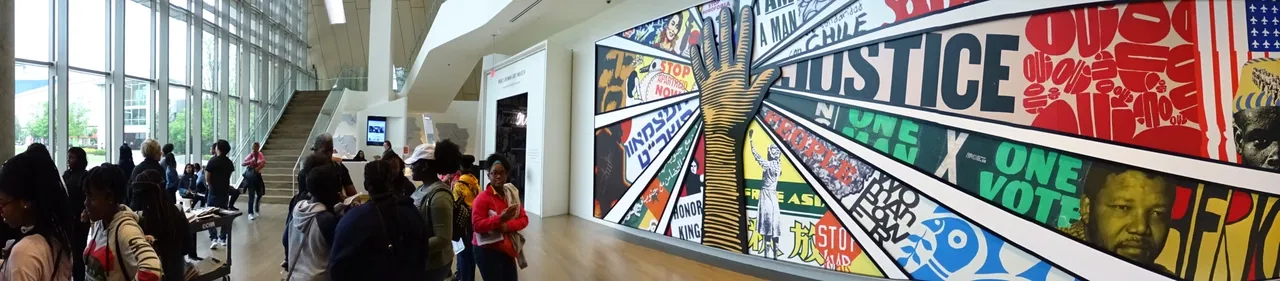
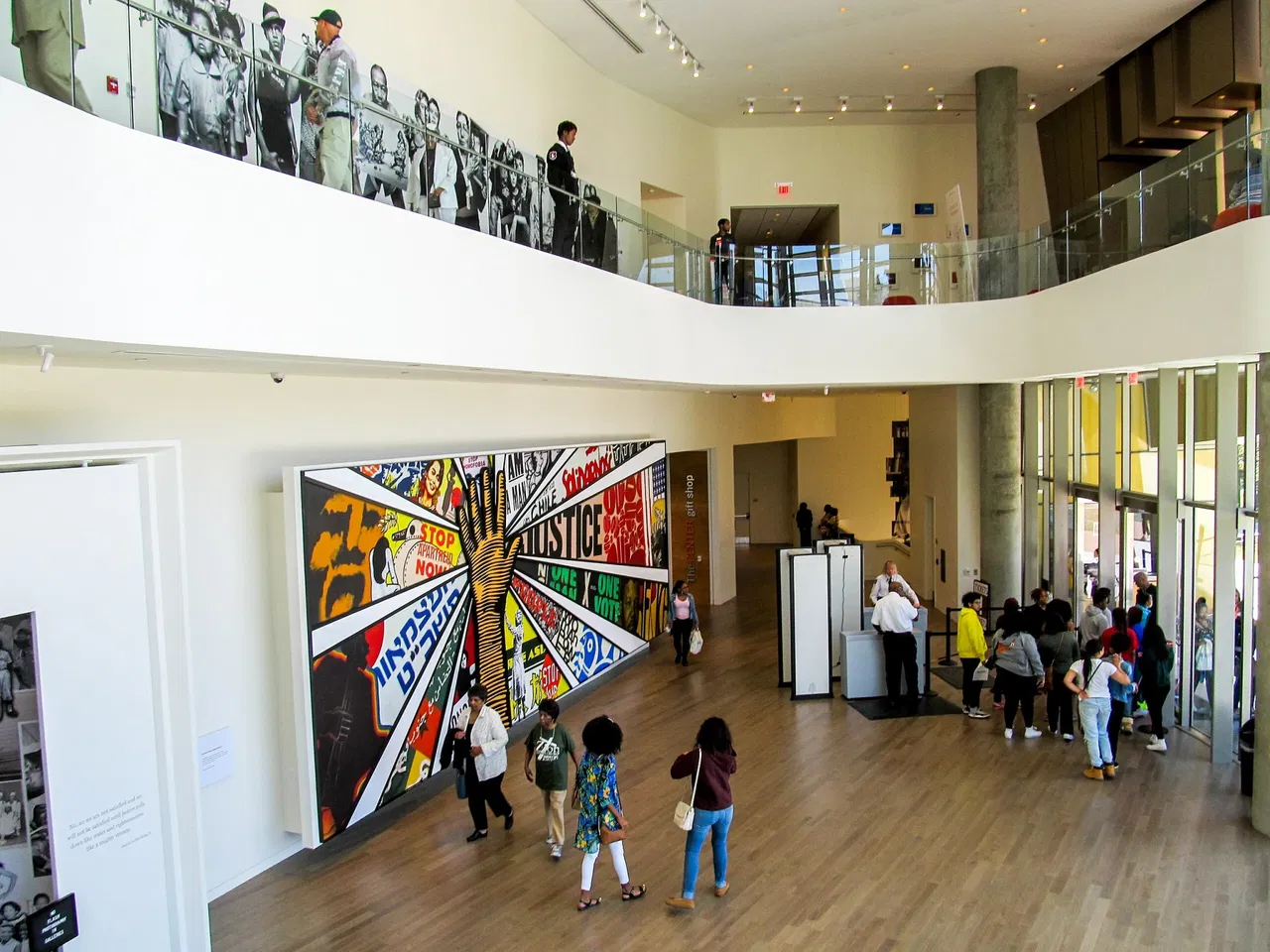
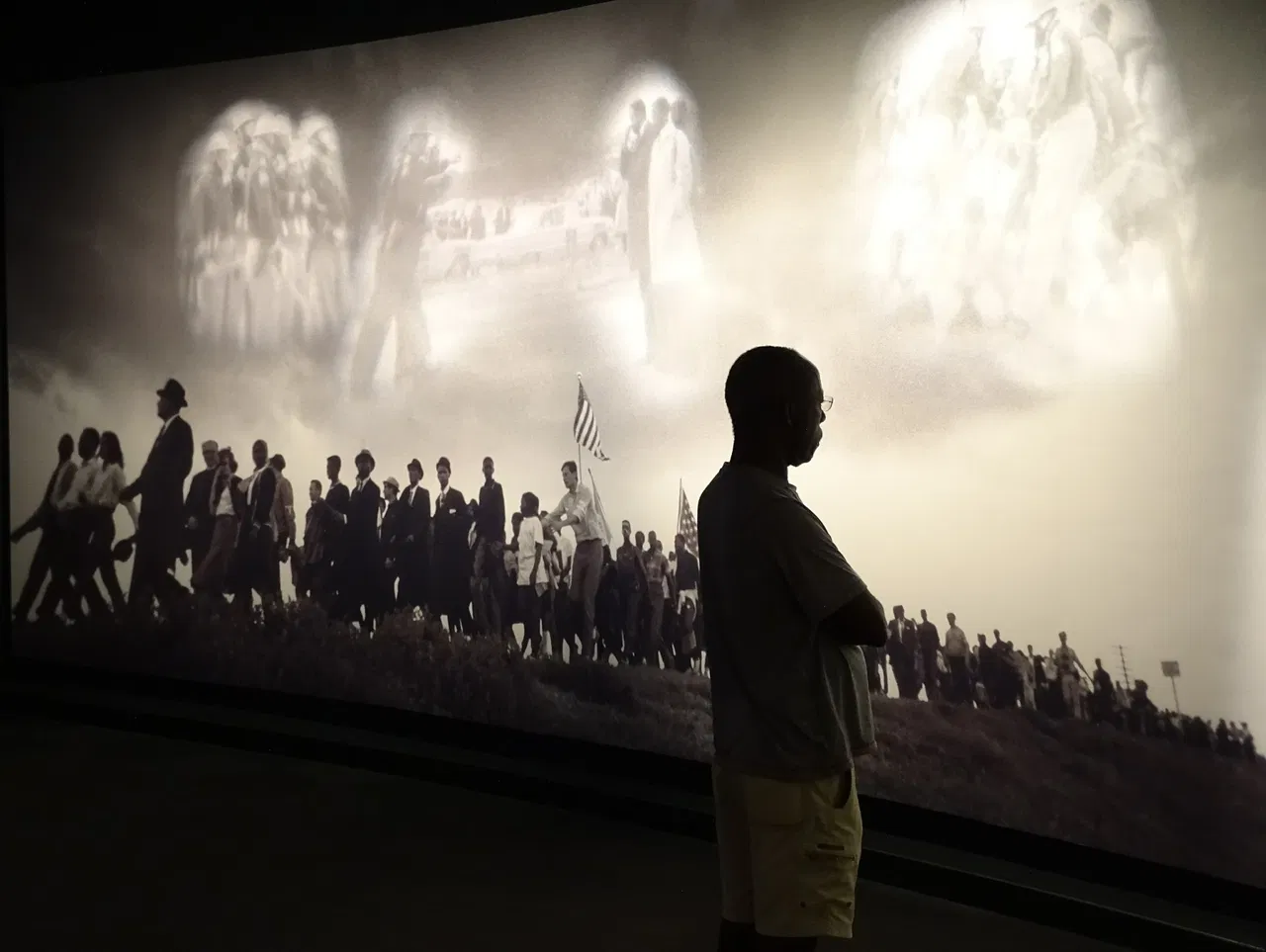
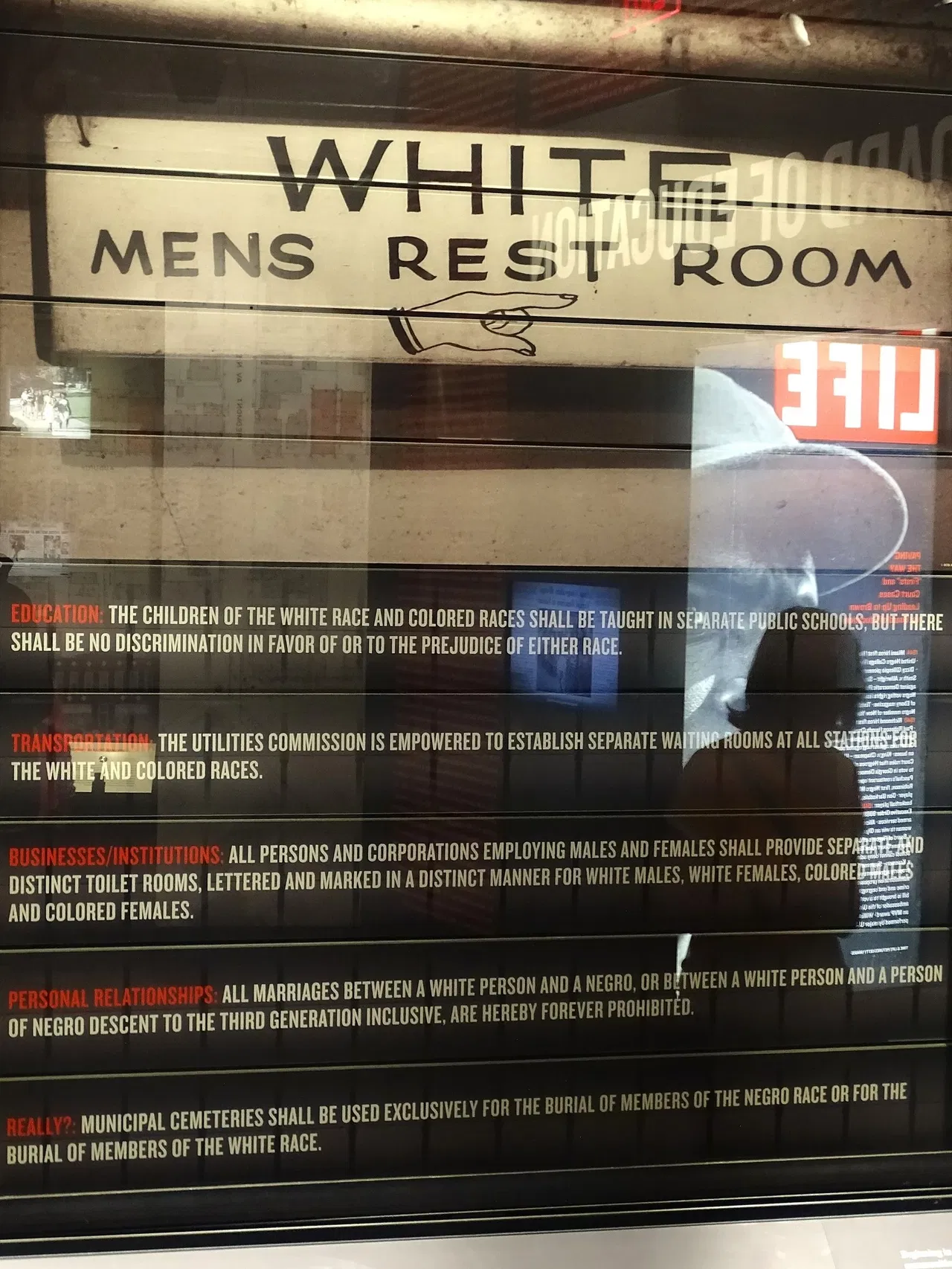
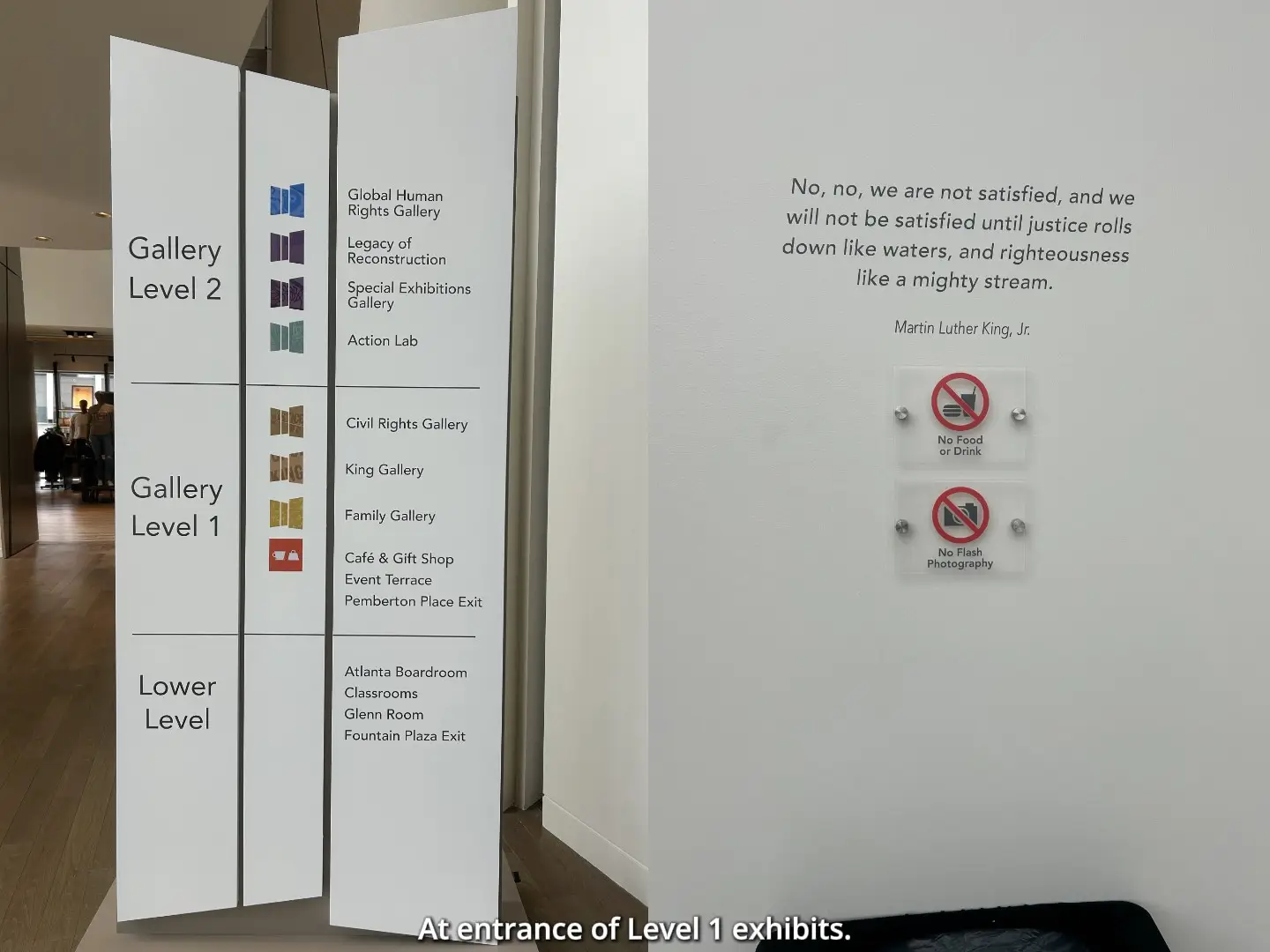
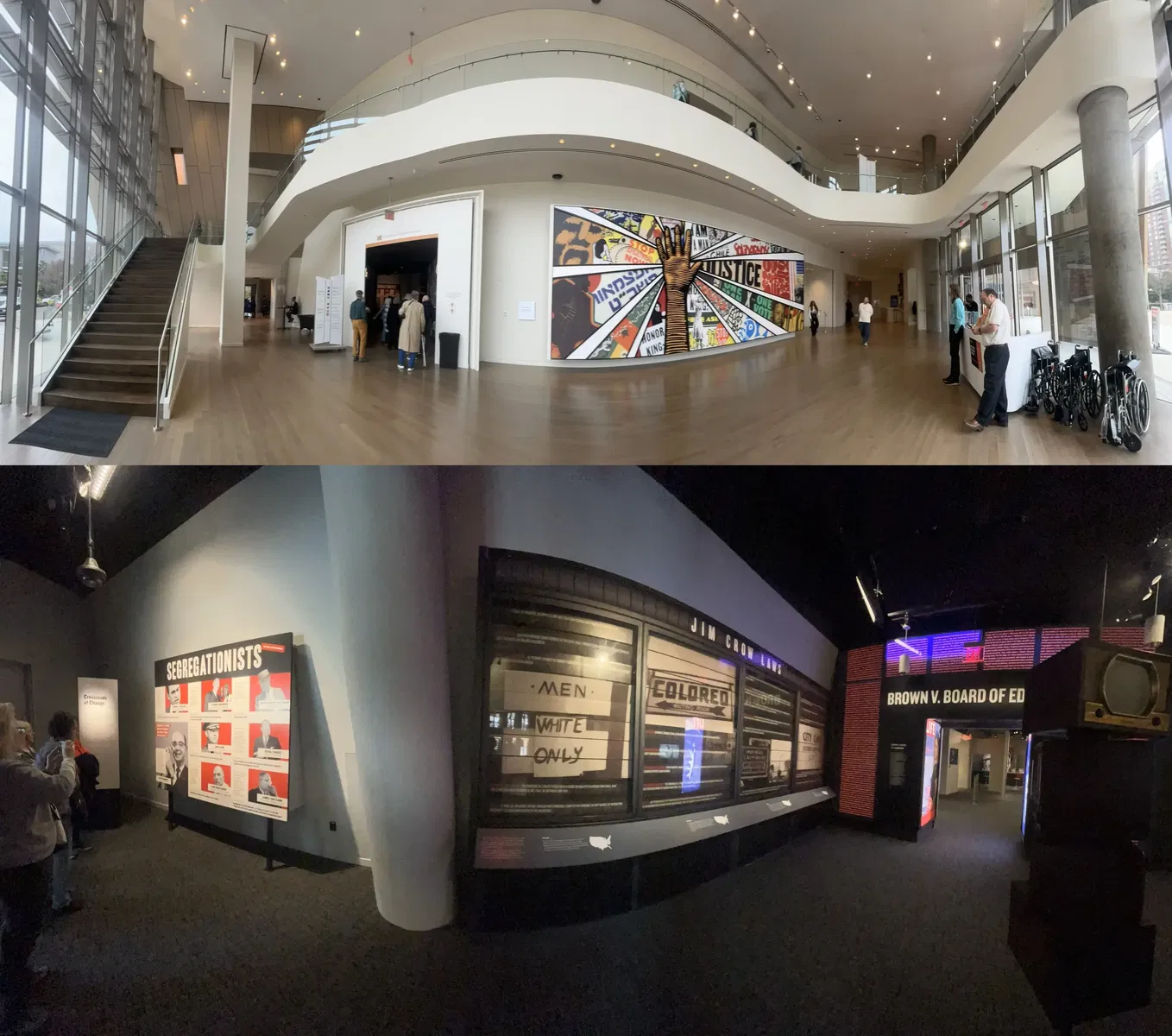
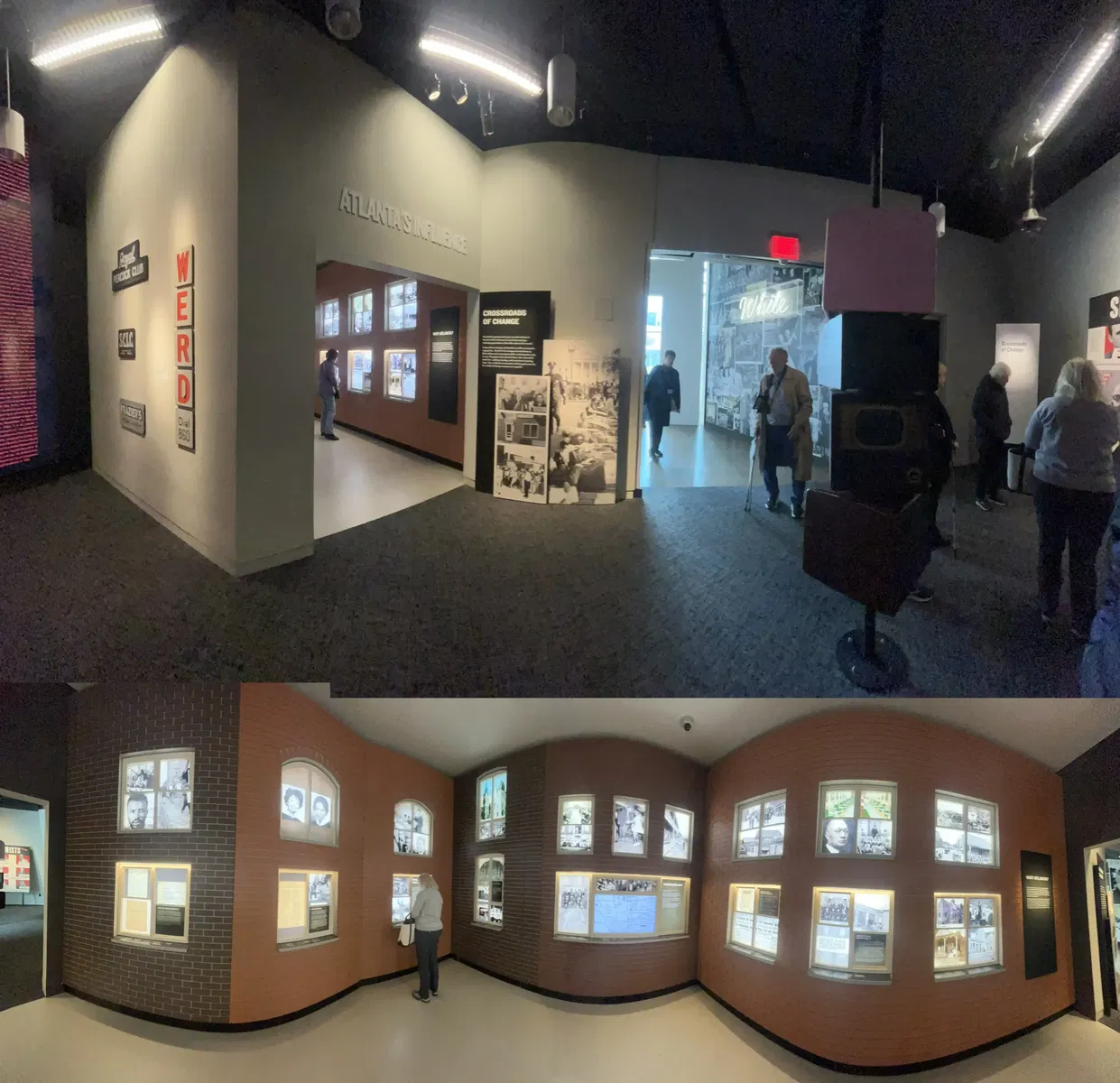
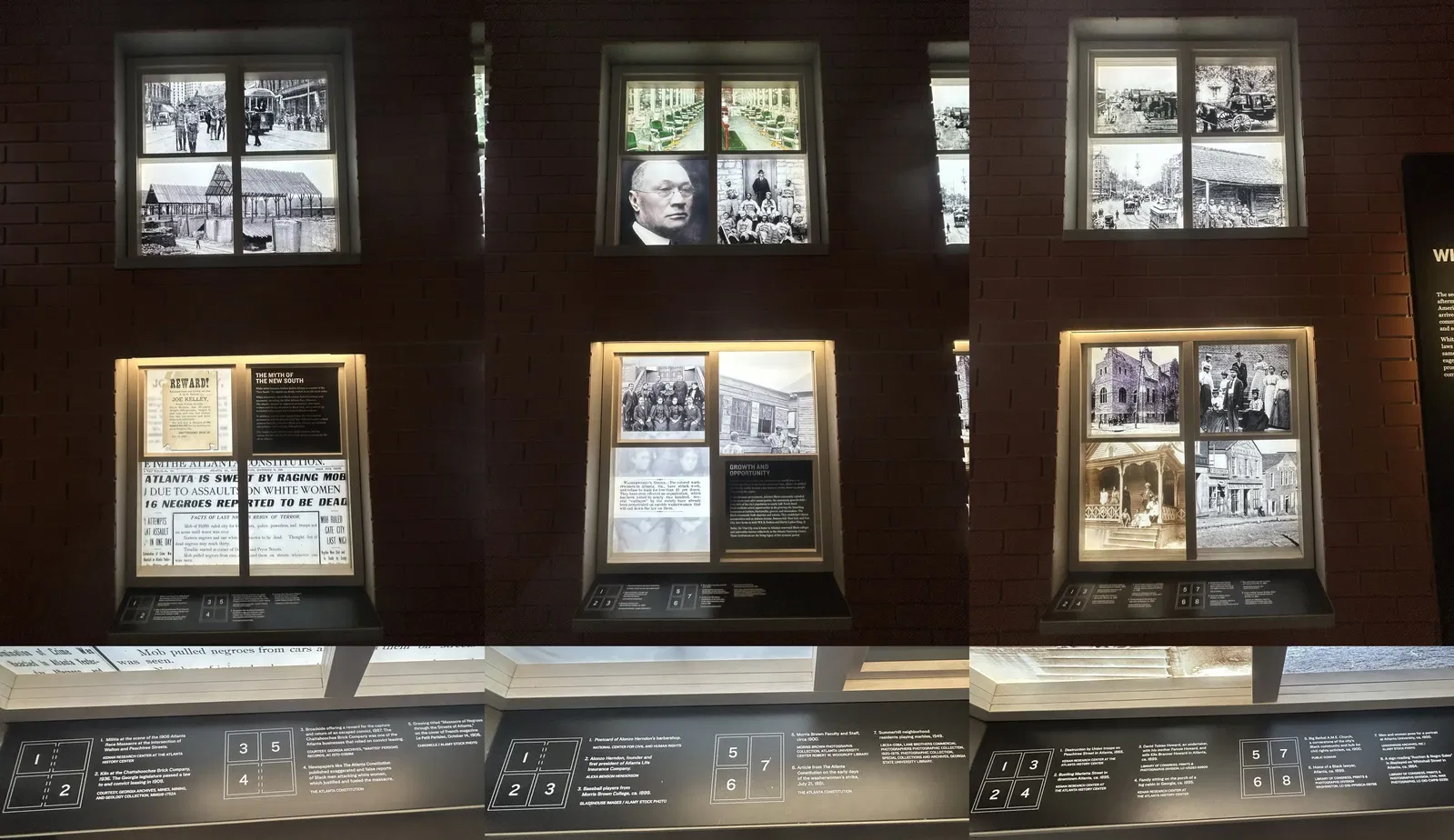
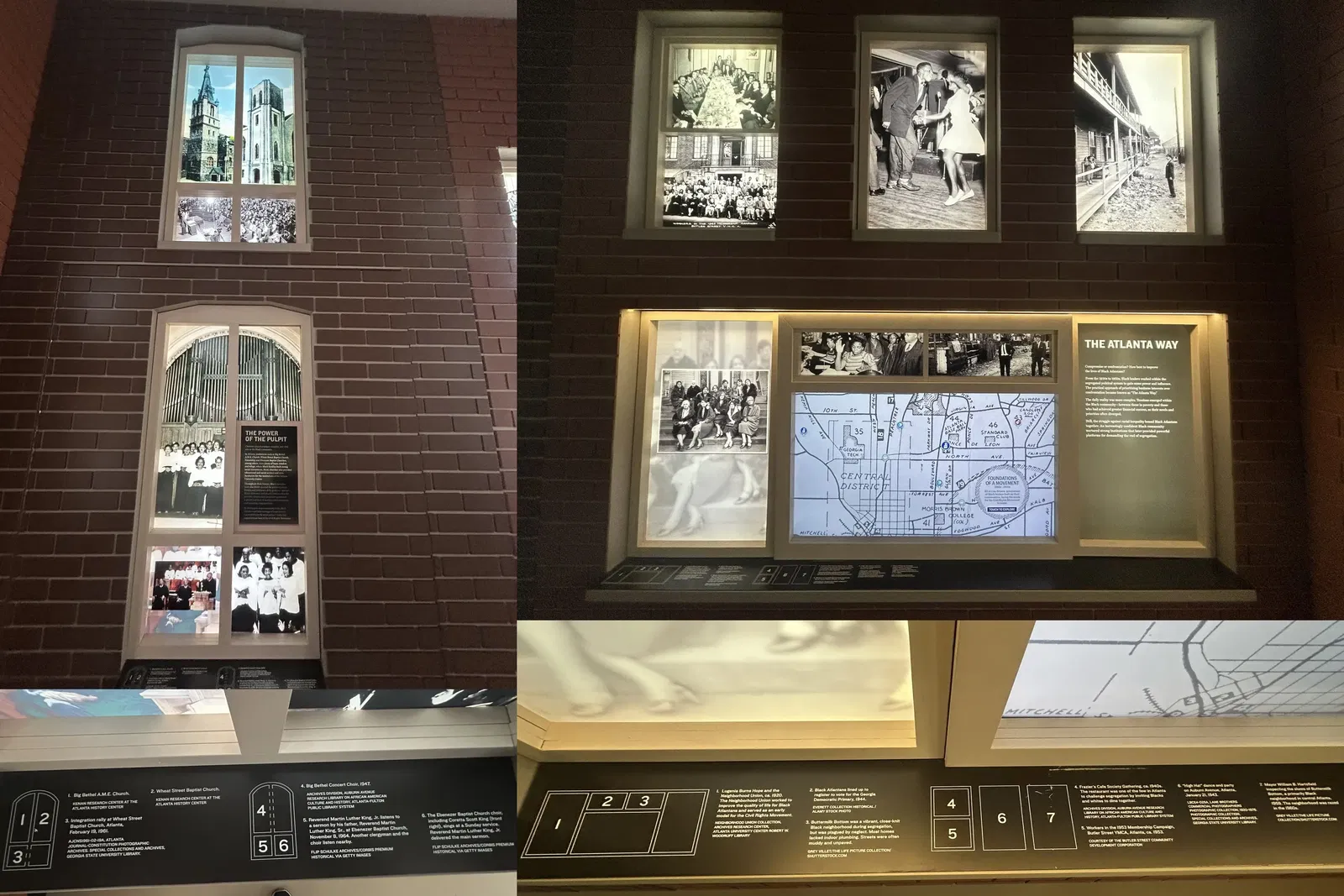
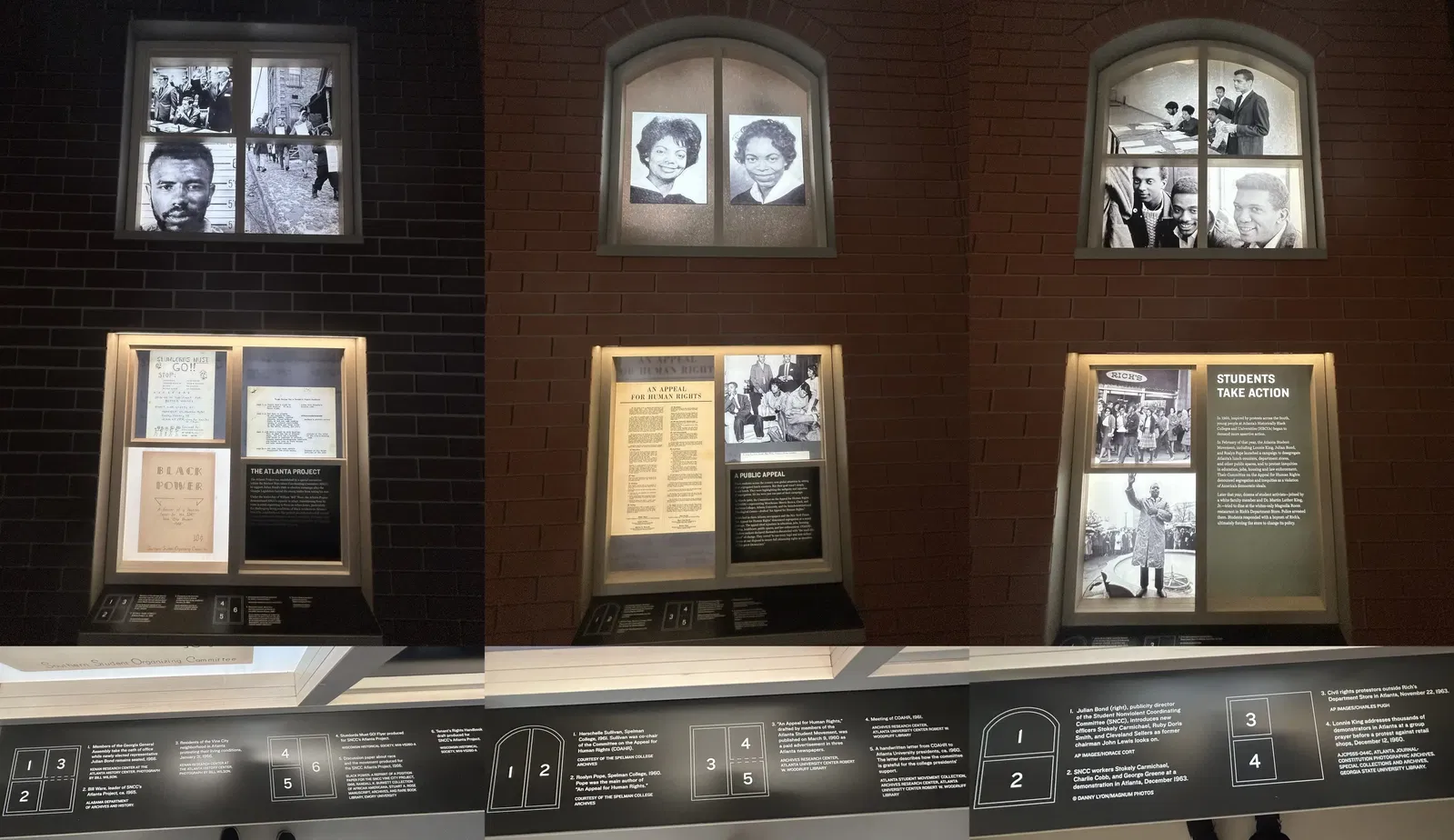
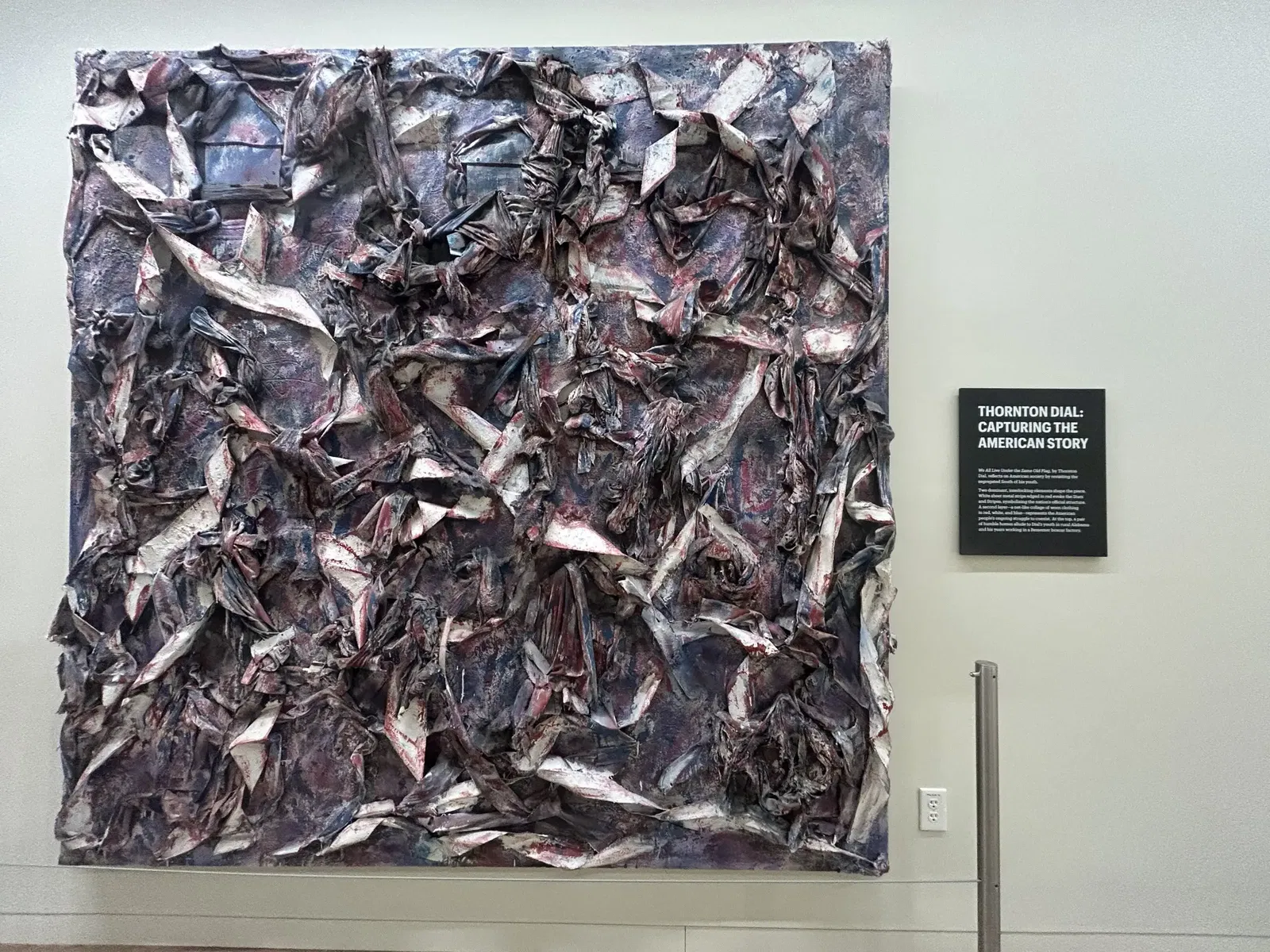
Once inside, we were greeted by - besides the friendly staff - the great lobby (untitled) mural. To its left is the entrance to the Level 1 main exhibits called "Rolls Down Like Water", which are organized in mostly chronological order. Beginning with the section on racial segregation (before 1950s), we were introduced to overt content of Whites, Colored, Segregationists, Jim Crow Laws, and a peculiar area called Atlanta's Influence. Atlanta's Influence is a collection of photos on window frames and set on brick walls, showing Atlanta's role before the Civil Rights Movement.
We then passed through the Brown V. Board Of Education doorway to the 1950s section. Emmett (and Mamie) Till is there, so is the Life magazine cover showing Dorothy Dandridge, and numerous display boards of key events. They include (among many):
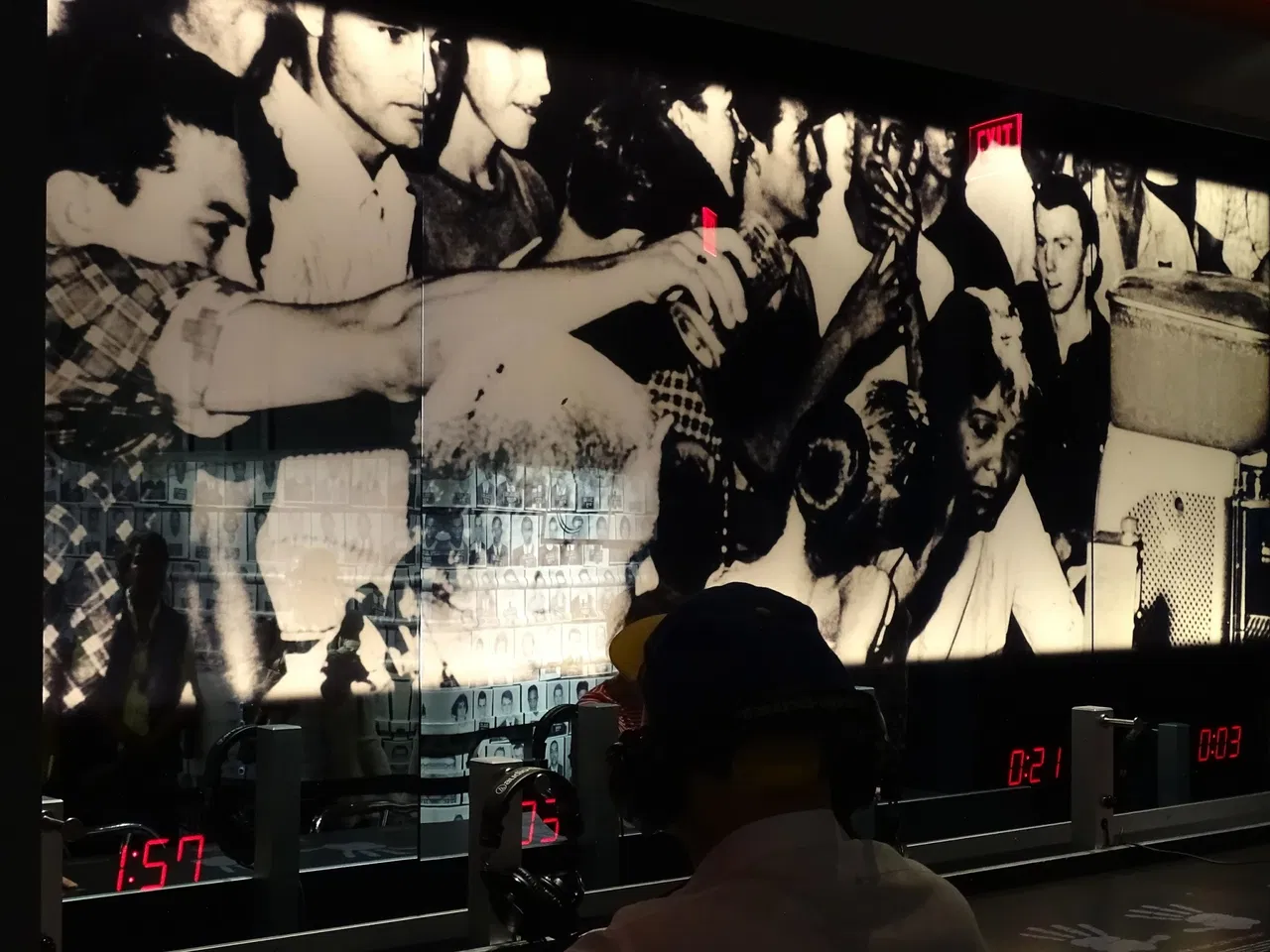
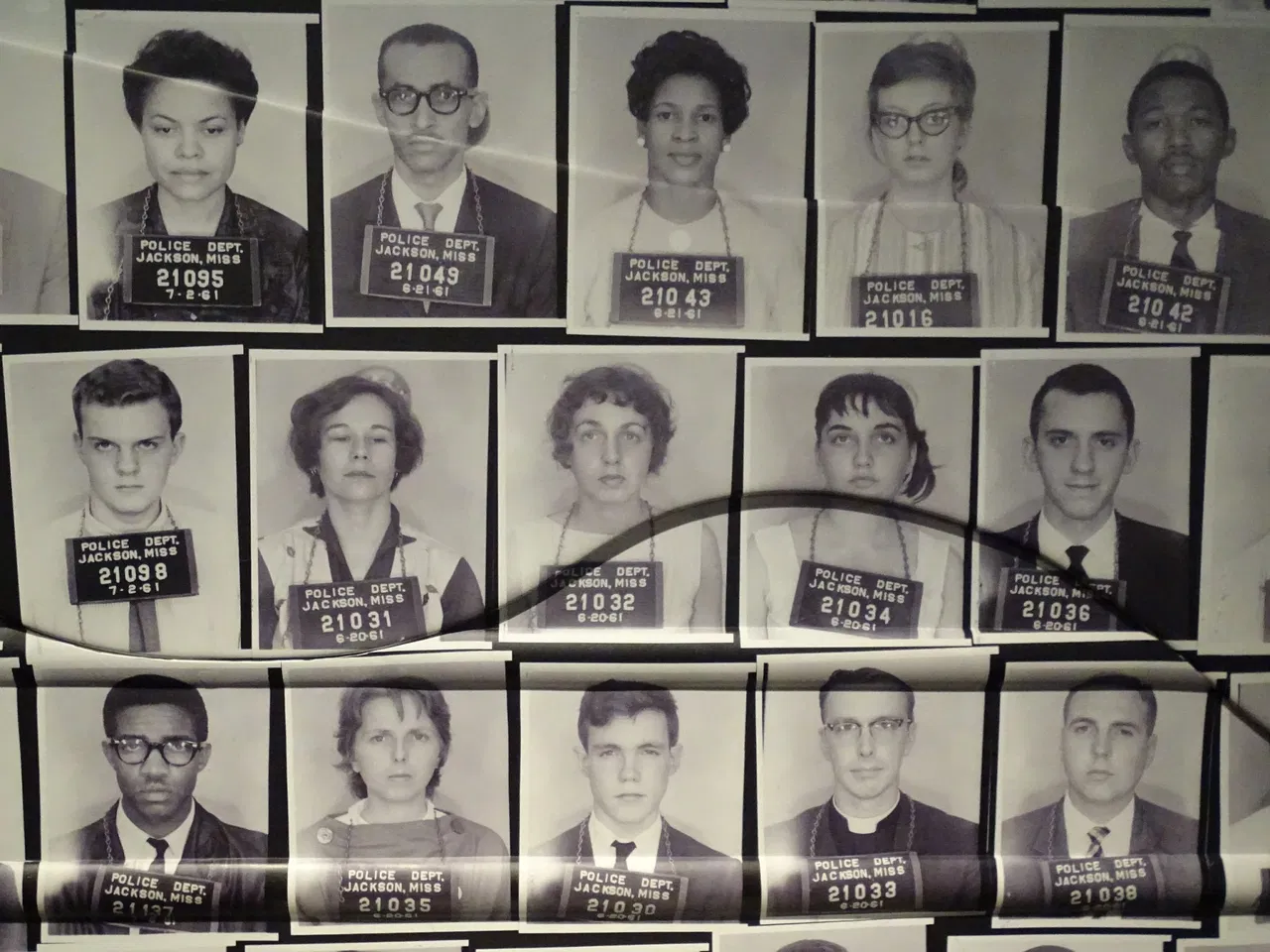
The Freedom Riders content is displayed on a wall. Towards the end of the gallery section is the lunch counter. Our tour guide invited us to sit in at the counter, with with both hands on table, and endure the vicious tirade of insults and slurs, complete with sounds of glass smashing. Shocking at first - I was genuinely scared - it ended almost as soon as it began. "Was that it?" I asked the staff member behind the counter. She nodded. I expected it to be longer.
(Footage of the "Rolls Down Like Water" exhibits is in the video "Day 3: National Center for Civil and Human Rights, Part 1" on my YouTube channel, located in playlist "2026-1: The Civil Rights Movement - Atlanta, Montgomery, Selma, Birmingham". The videos referenced below are also in this playlist.)
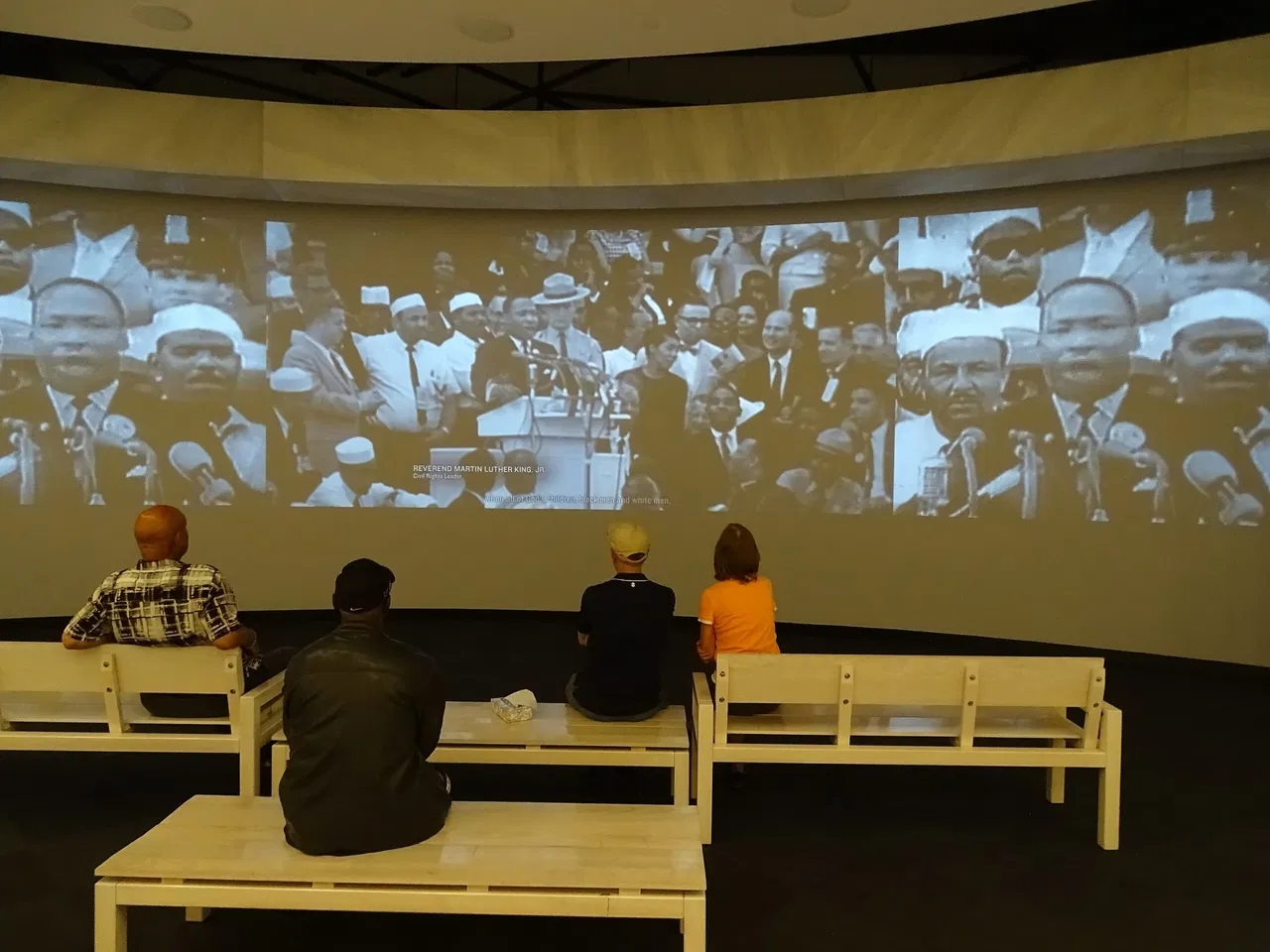
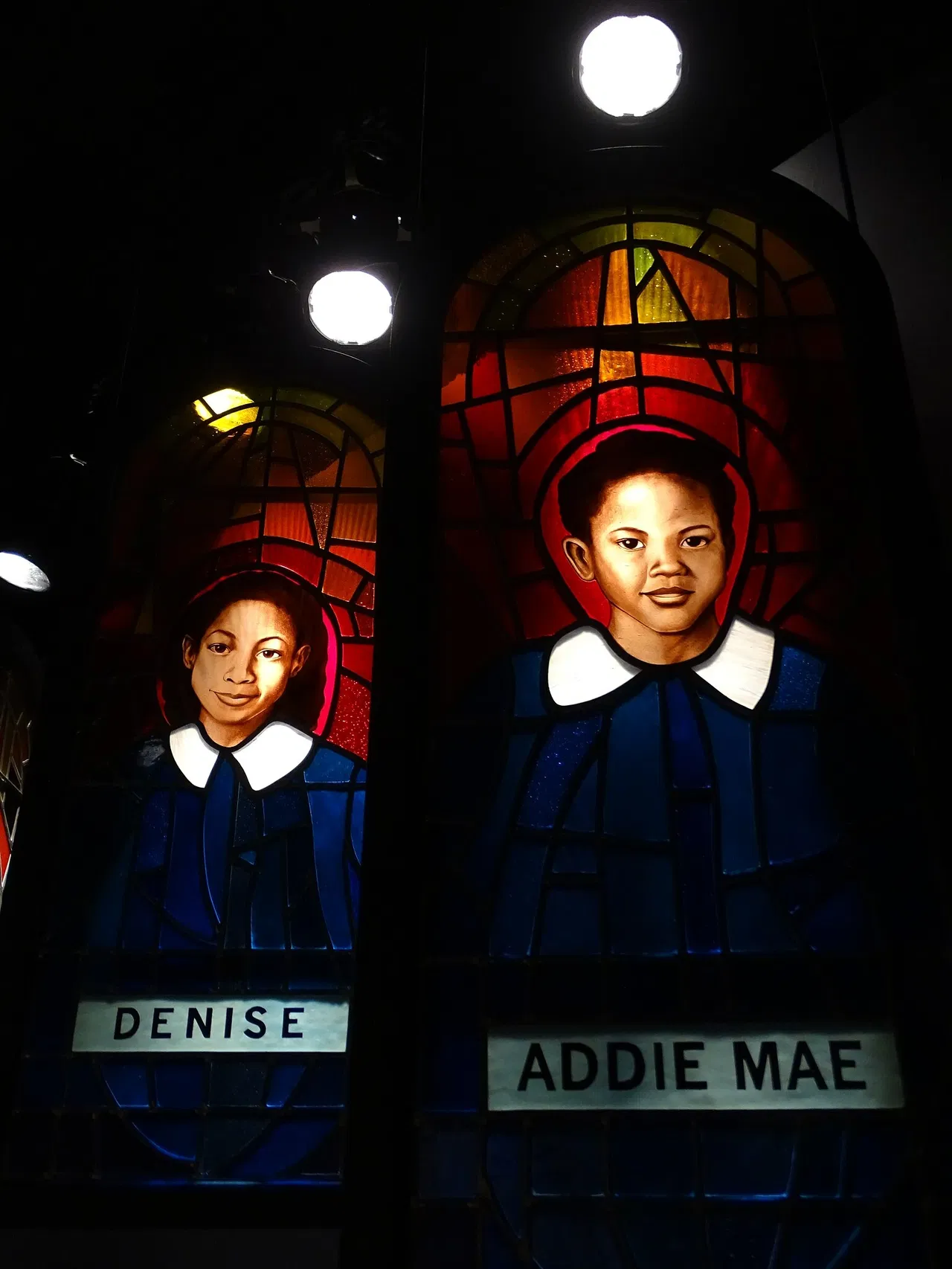
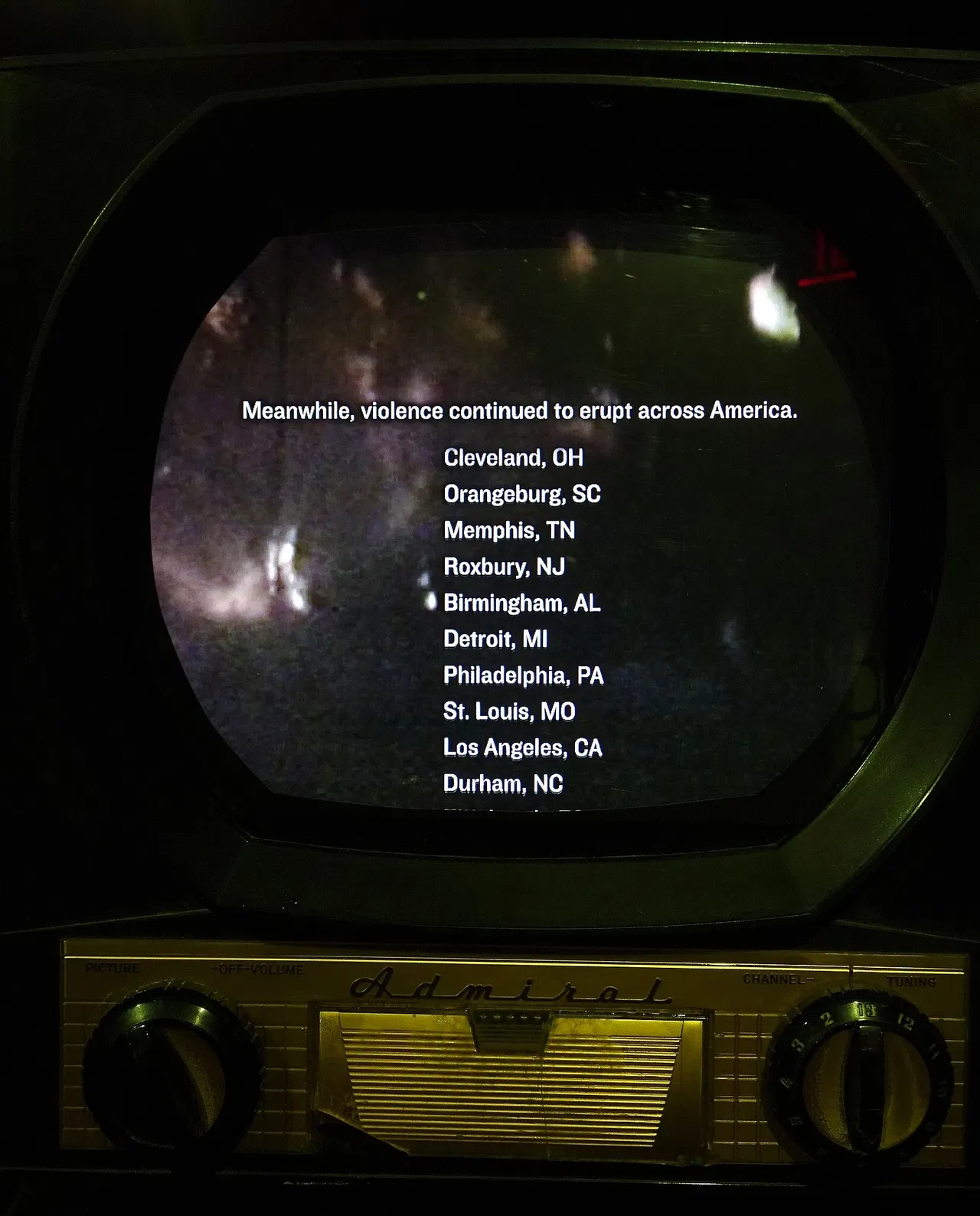
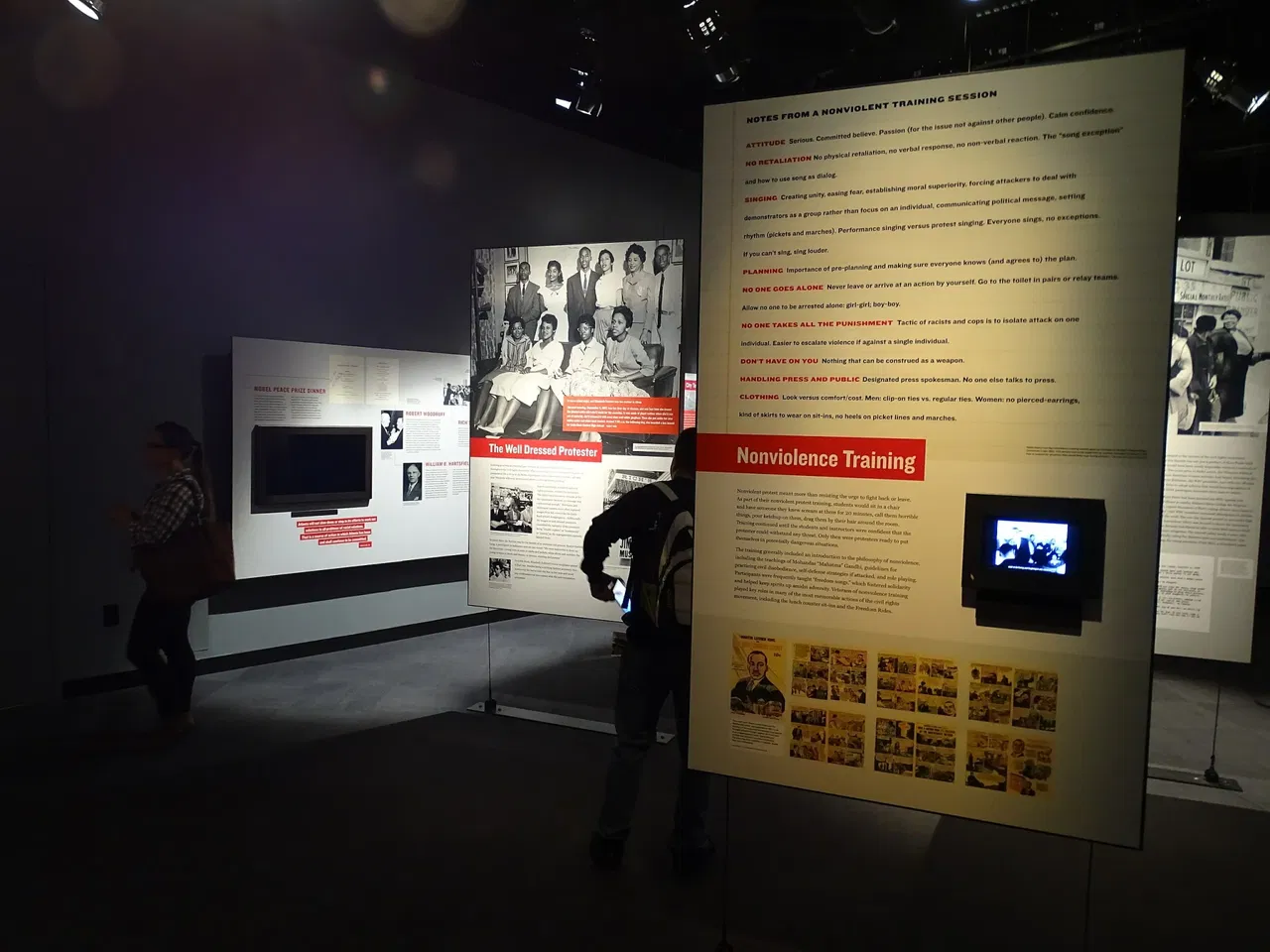
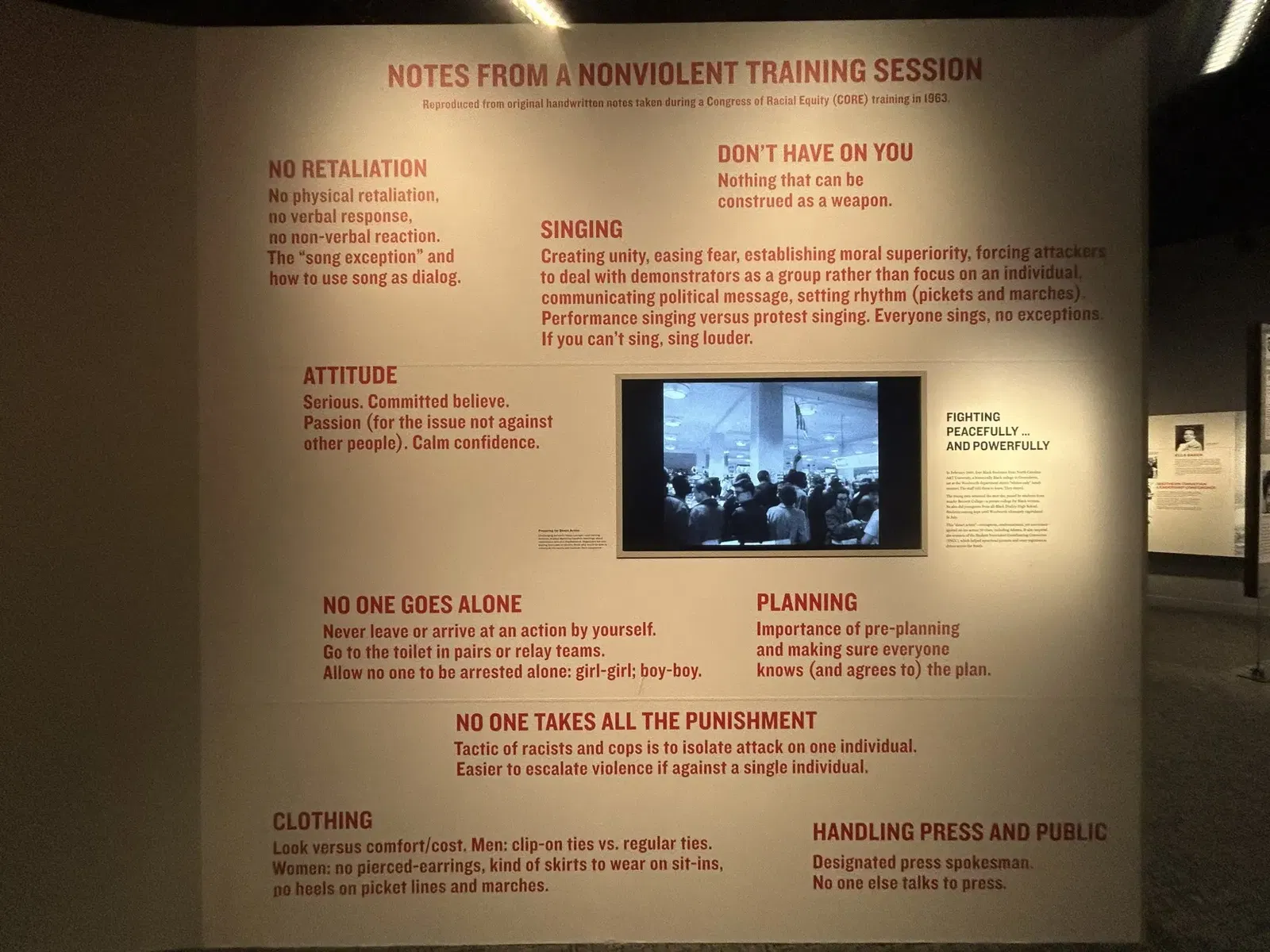
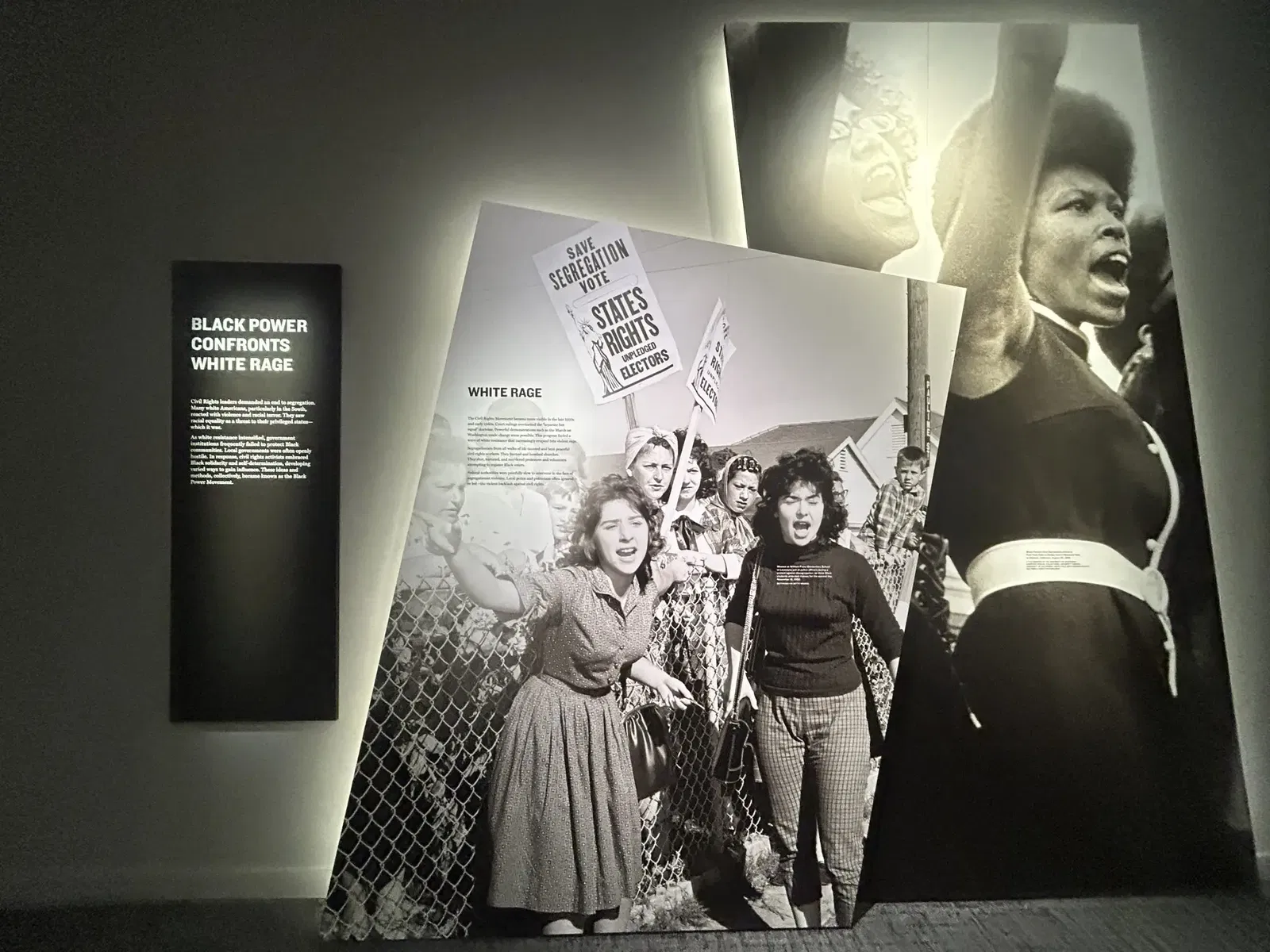
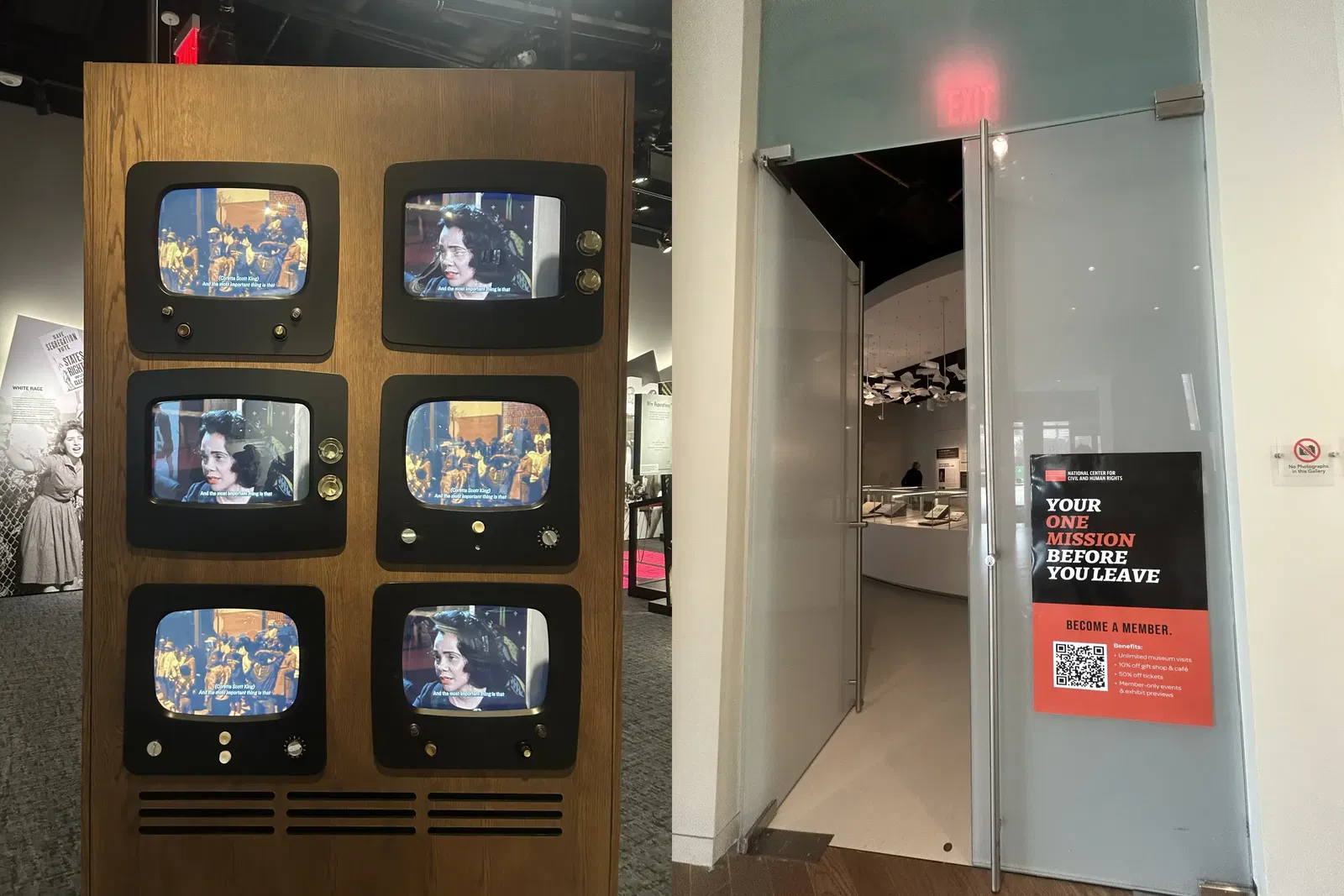
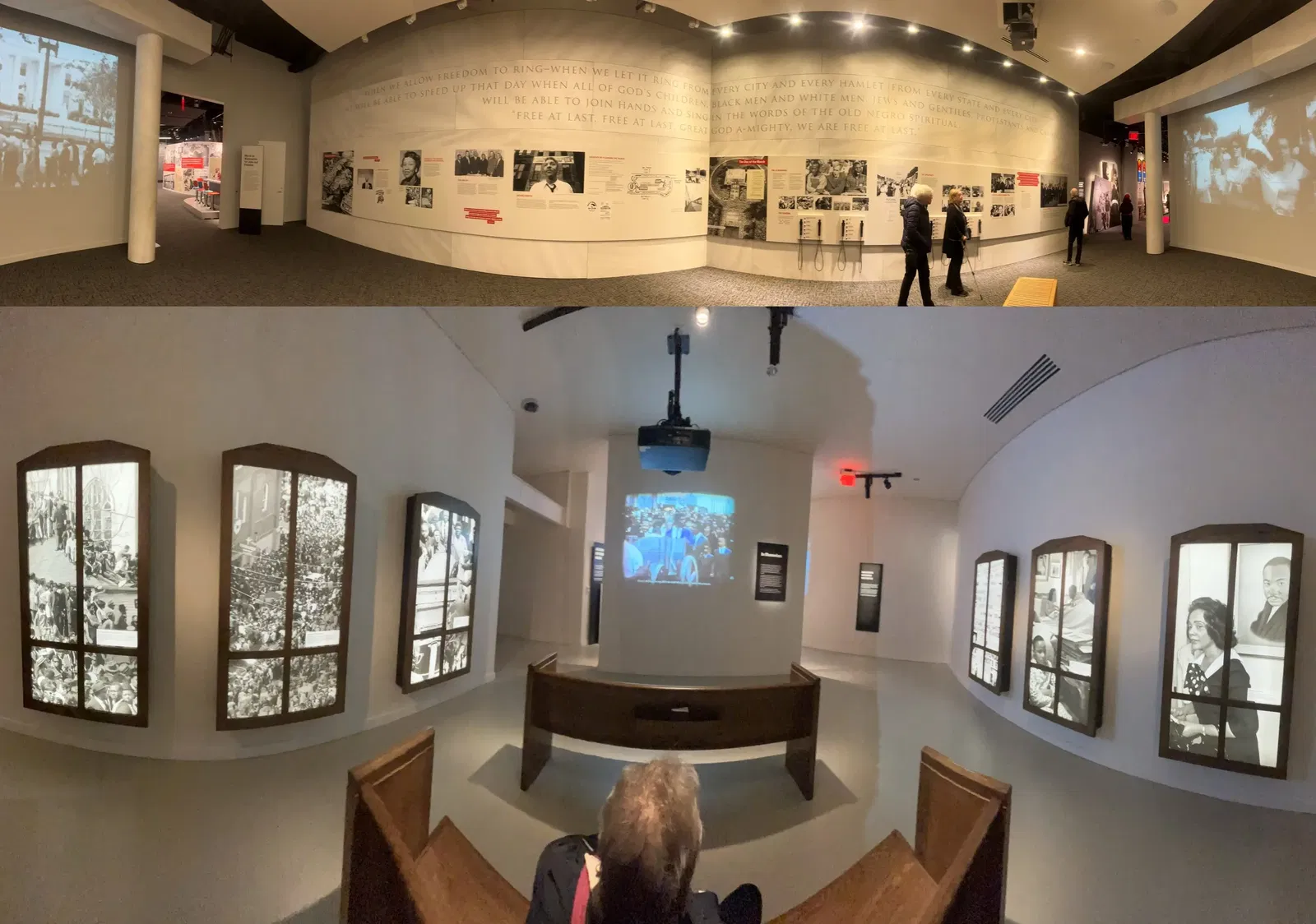
The next section is dedicated to the March in Washington on Mar 28, 1963. On one wall is a set of written and imaged content; on the other wall is a large screen showing clips of the event (video footage in "Day 3: National Center for Civil and Human Rights - March on Washington for Jobs and Freedom"). A doorway on the opposite side leads to a section on events that happened after the March. "Black Power Confronts White Rage", violent events of "Four Little Girls", "Three Mississippi Murders", "Bloody Sunday", Student Nonviolent Coordinating Committee (SNCC), "Juke Box", and "Black Power: Demanding Action". (Video footage in "Day 3: National Center for Civil and Human Rights, Part 2".)
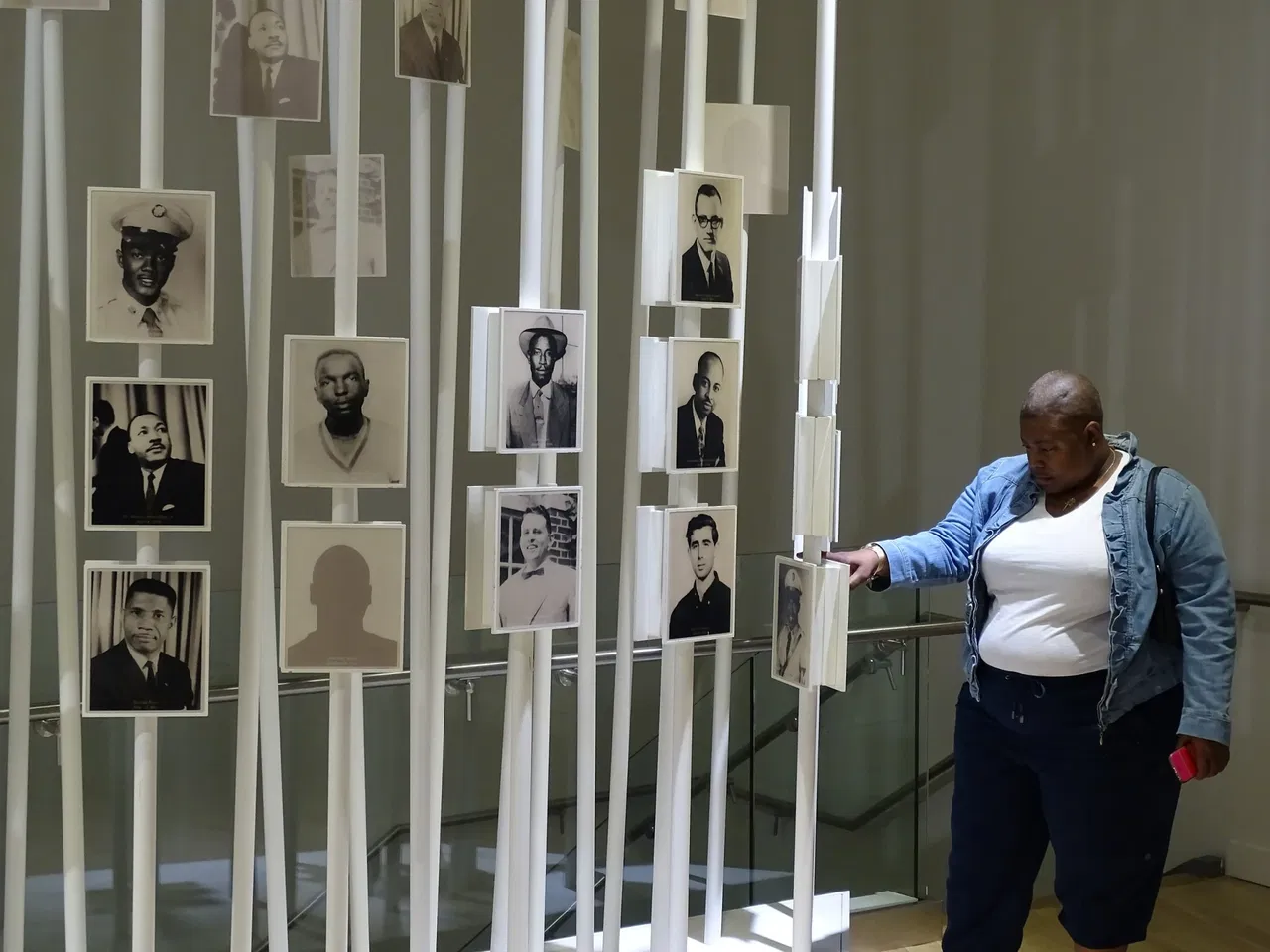
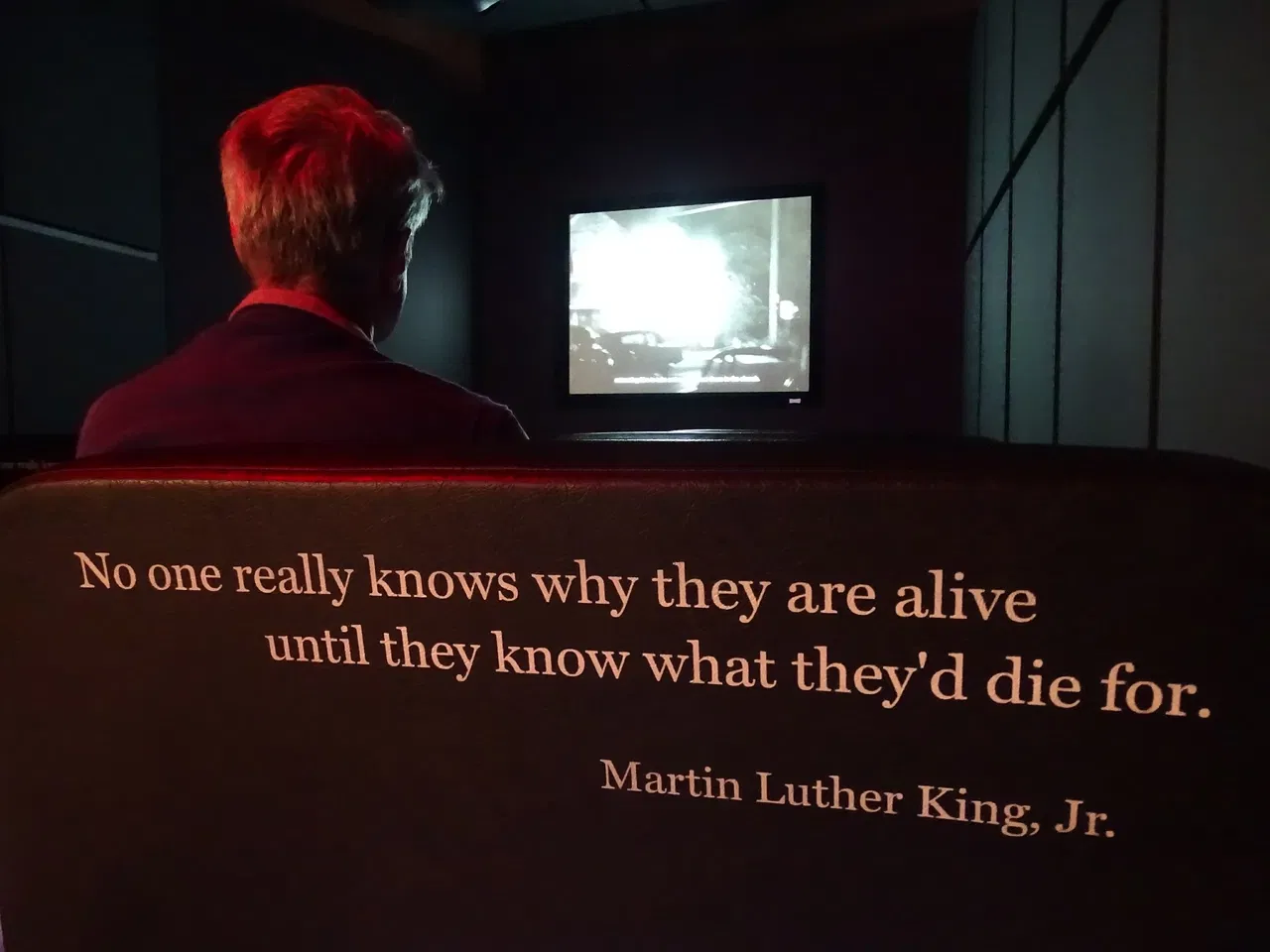
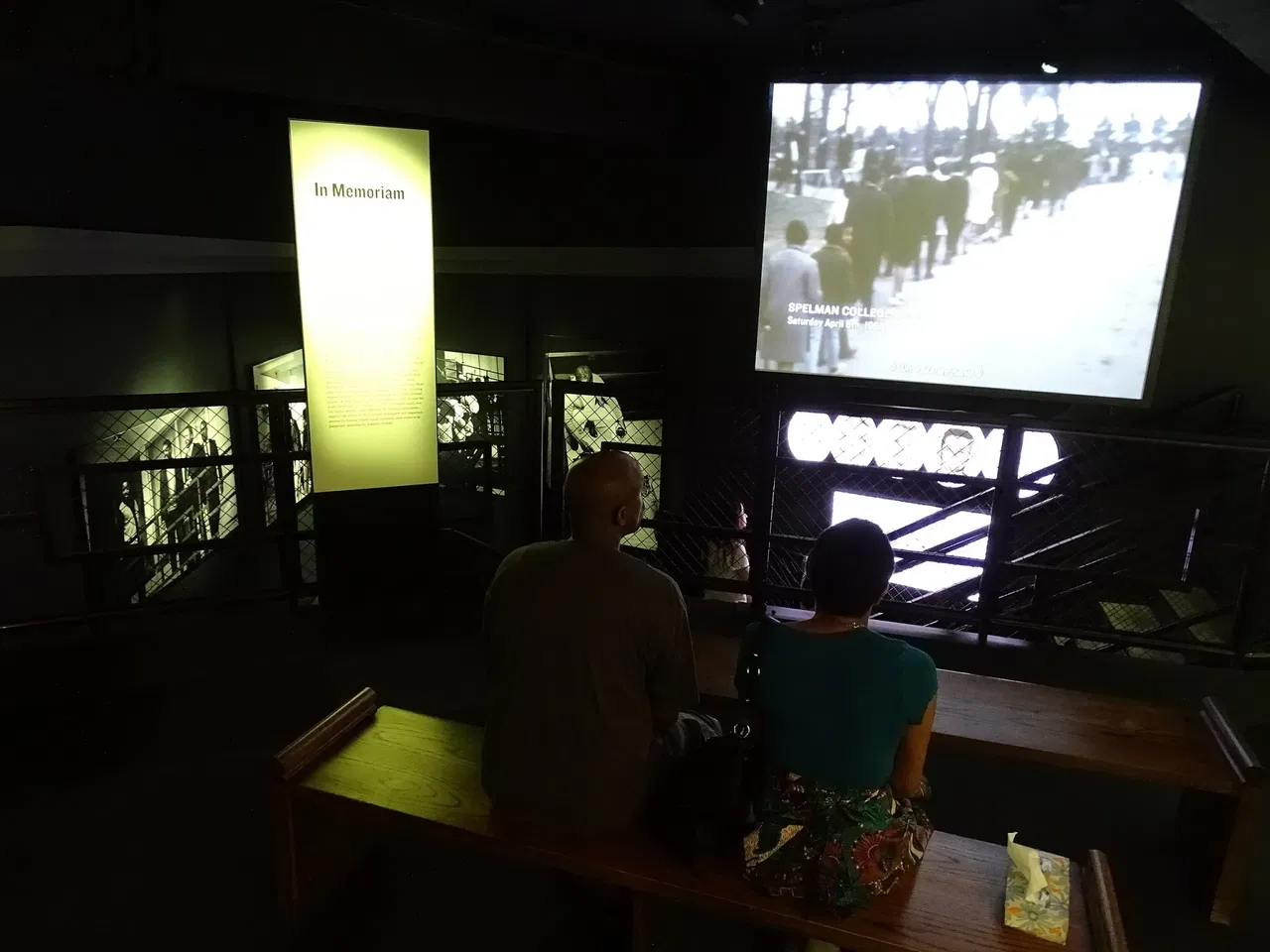
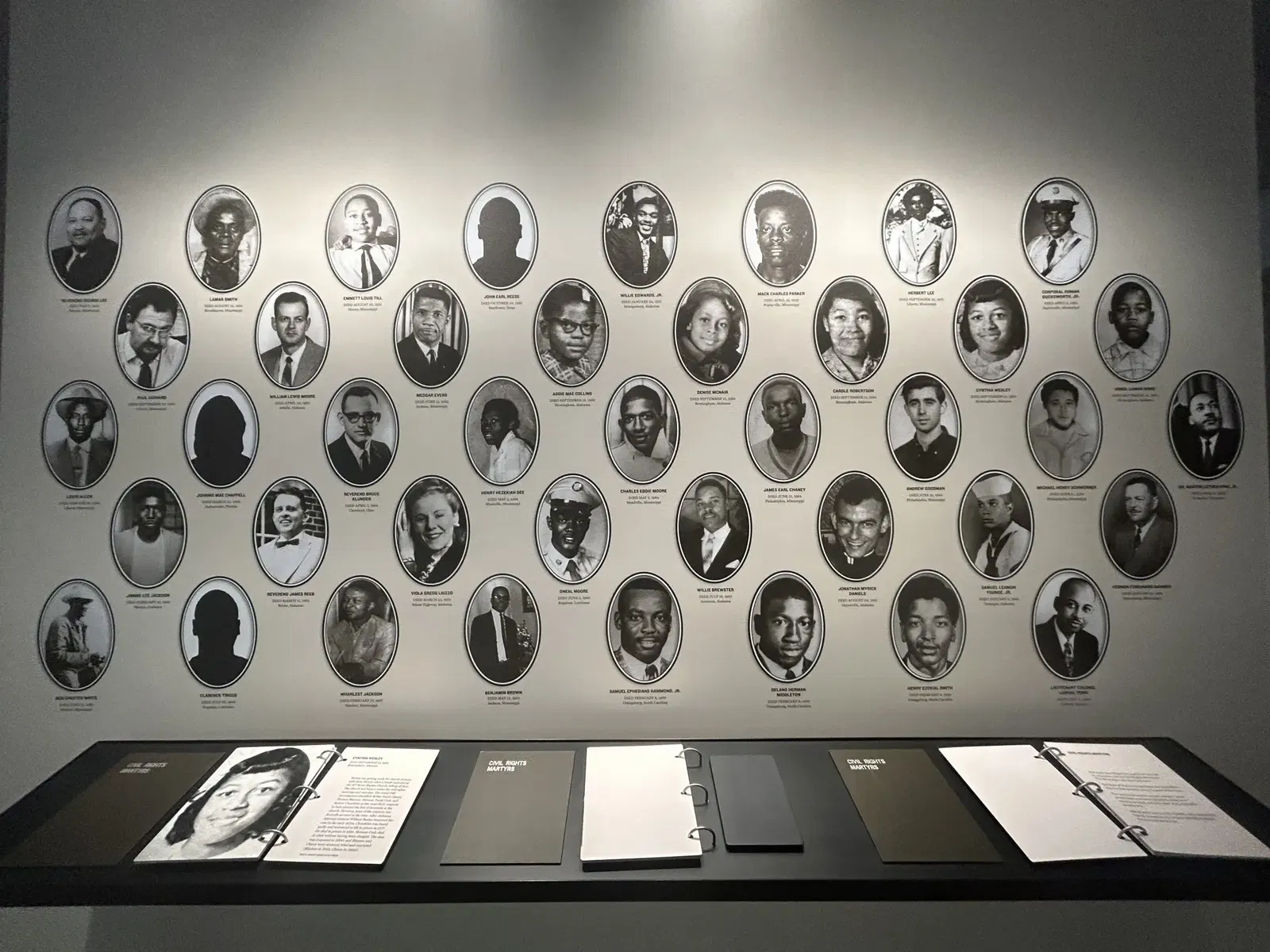
The final section is dedicated to Atlanta's native son Dr. Martin Luther King, Jr., particularly on his assassination and funeral. This section includes the wall of 40 other martyrs of the civil rights movement, and Dr. King's continuing influence on others in pursuit of social justice. The other exhibit on Level 1 is a smaller room called "A Committed Life", which houses Dr. King's papers and other print material. Since (flash and non-flash) photography is not allowed, I did not spend much time here.
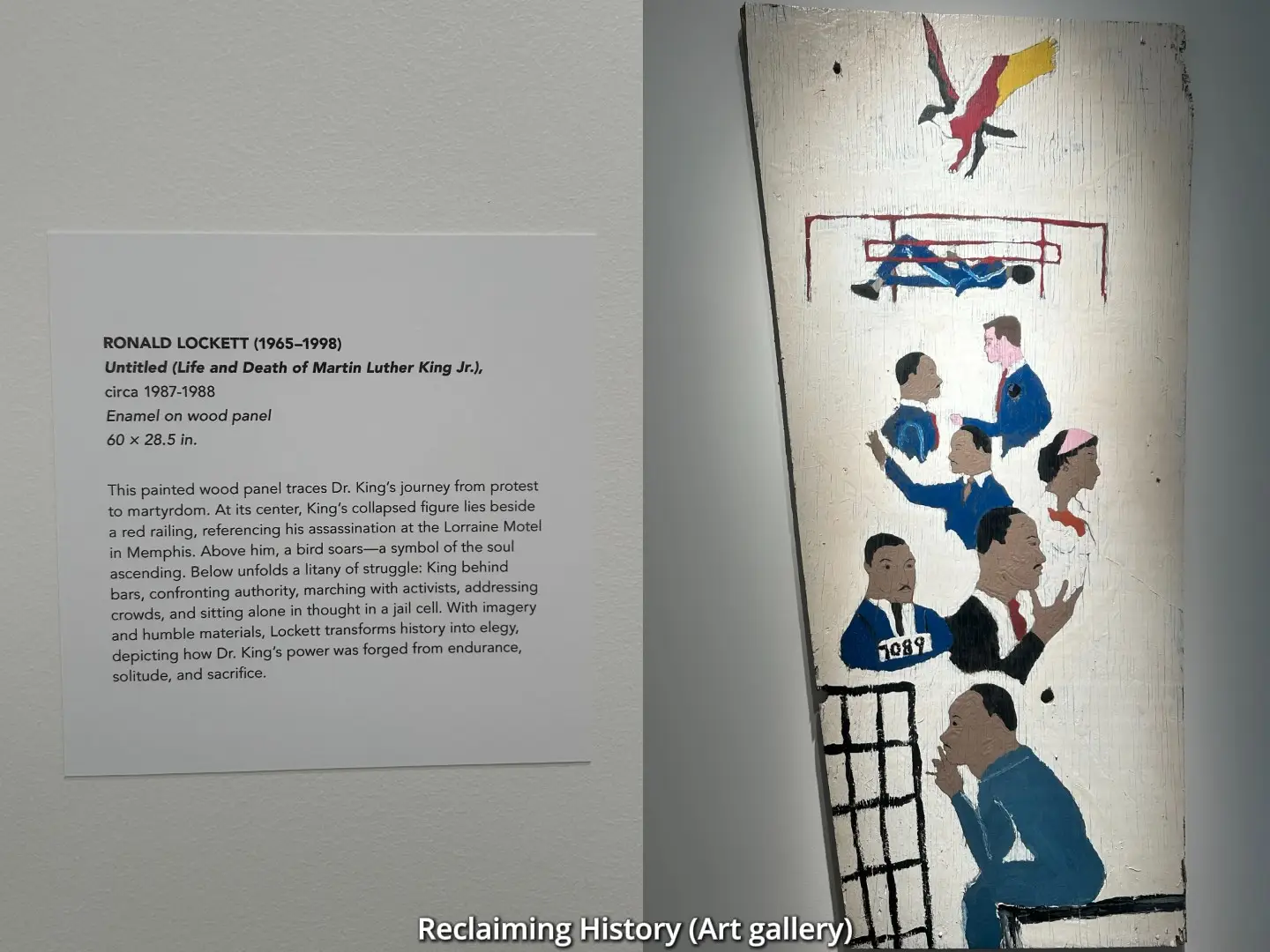
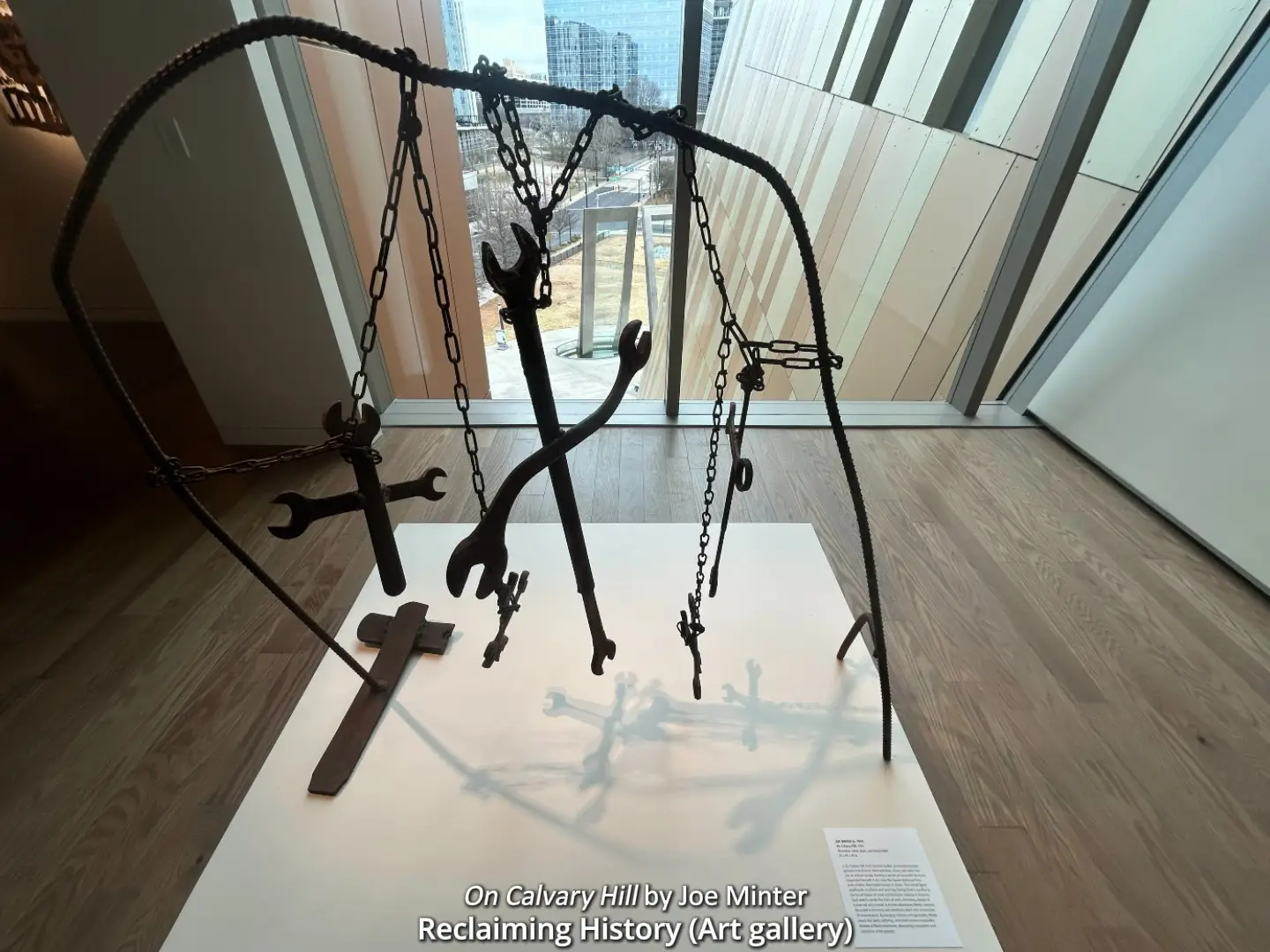
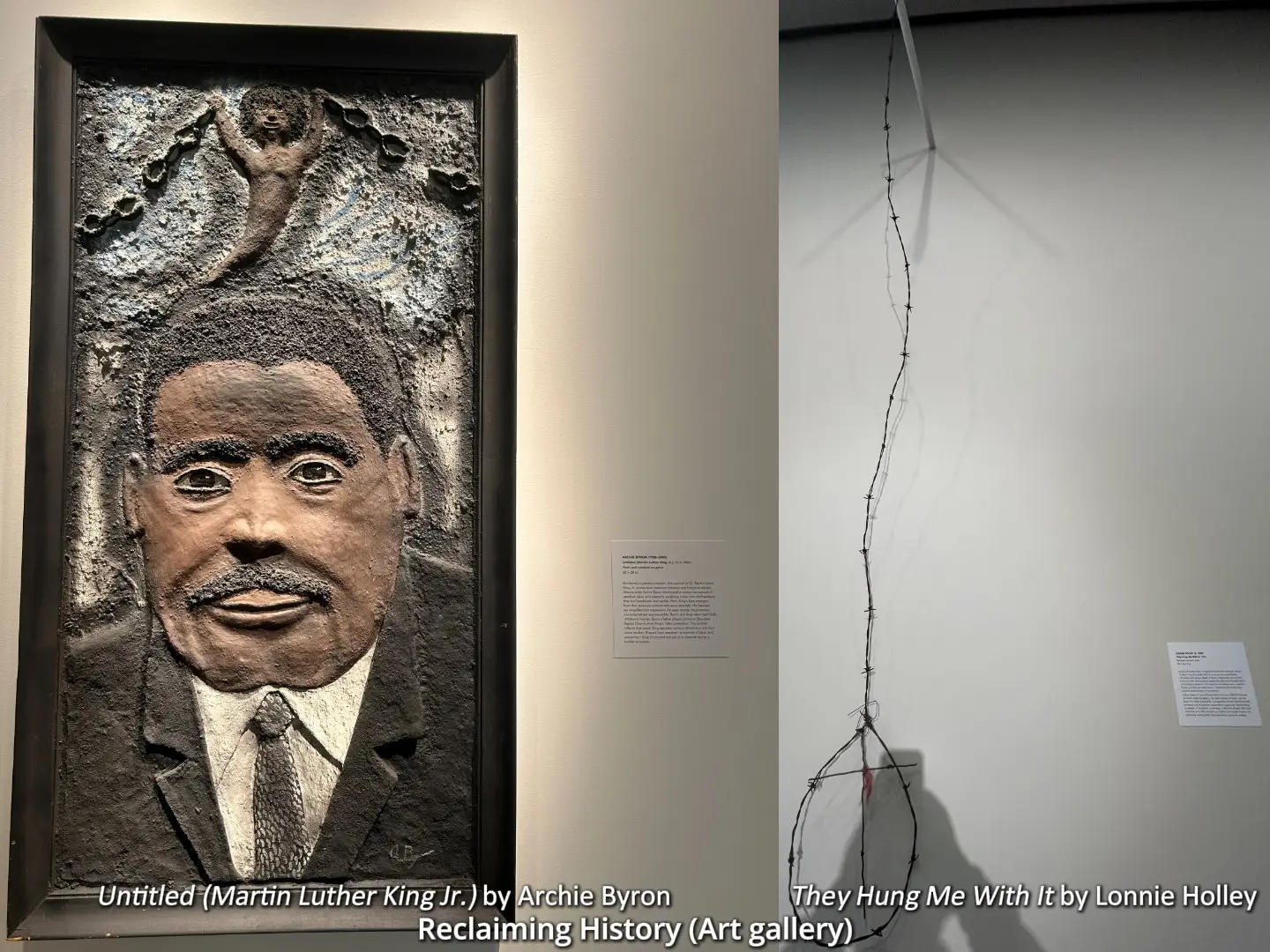
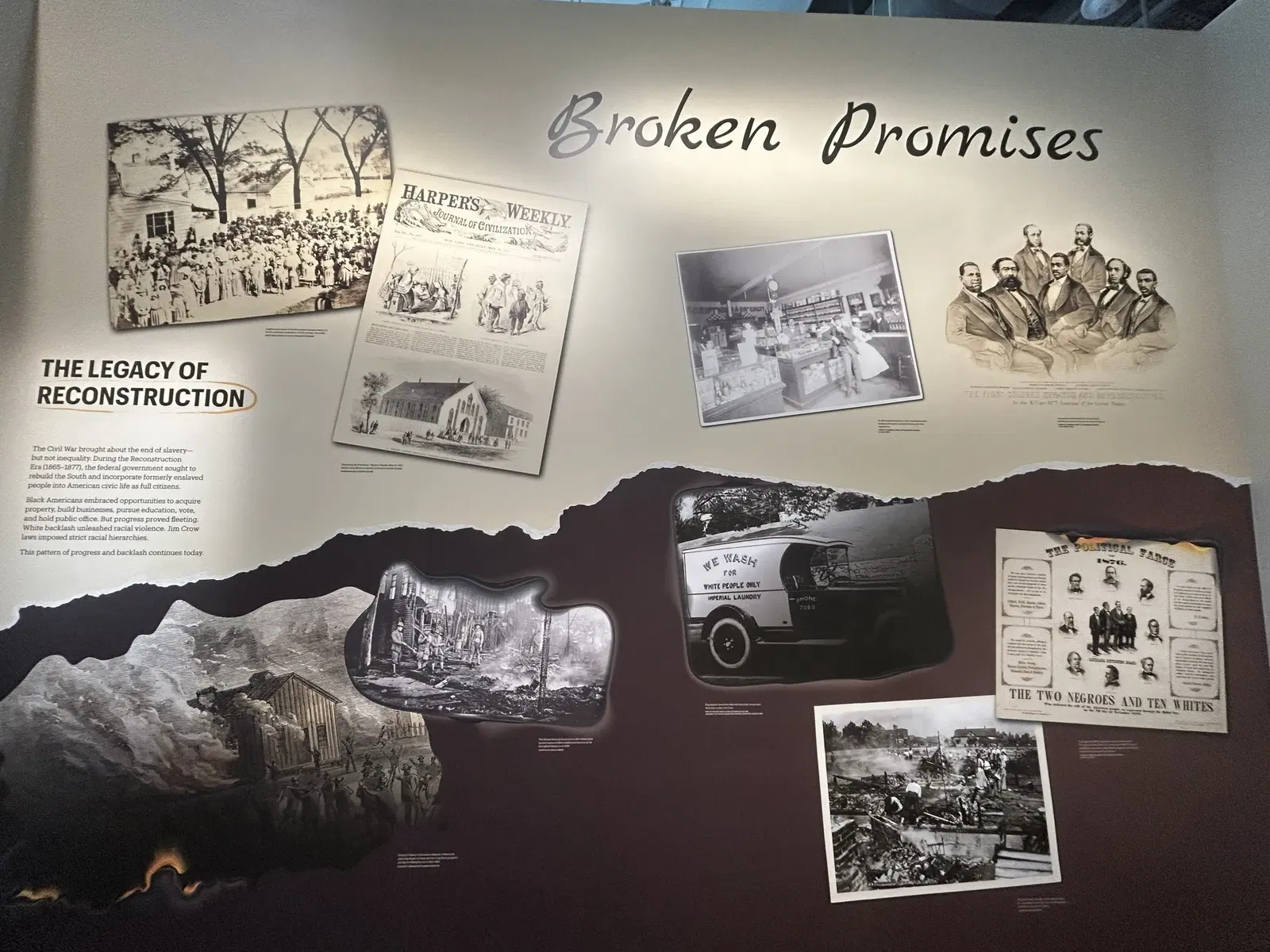
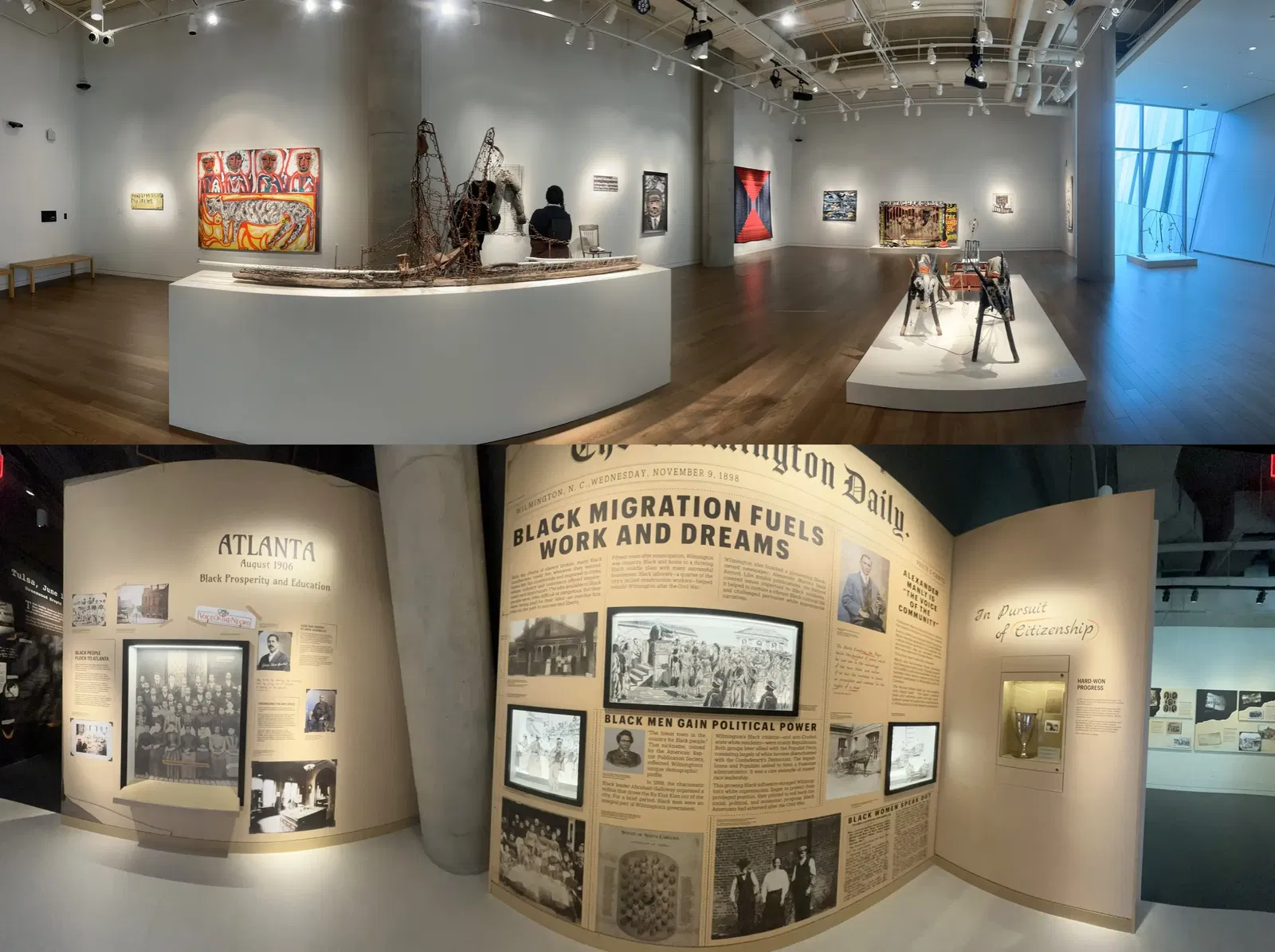
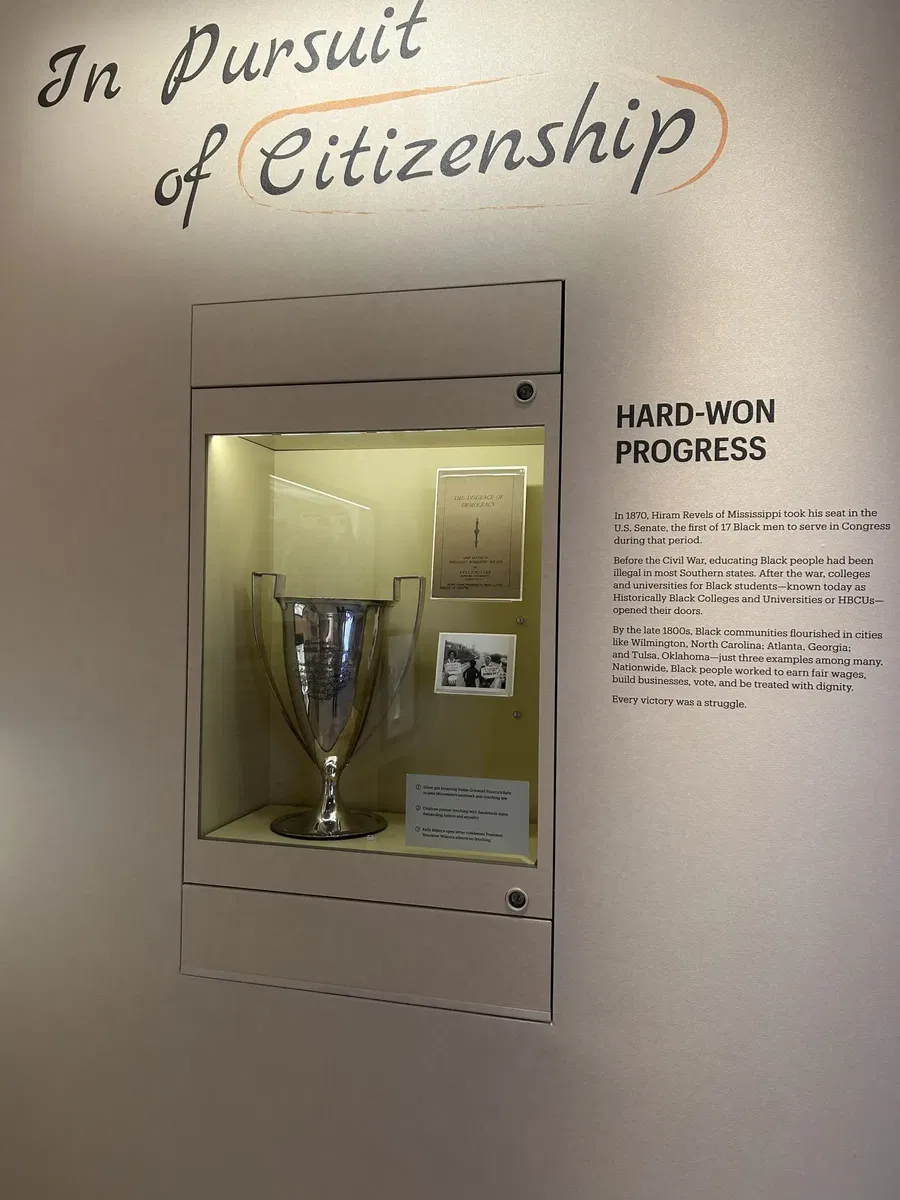
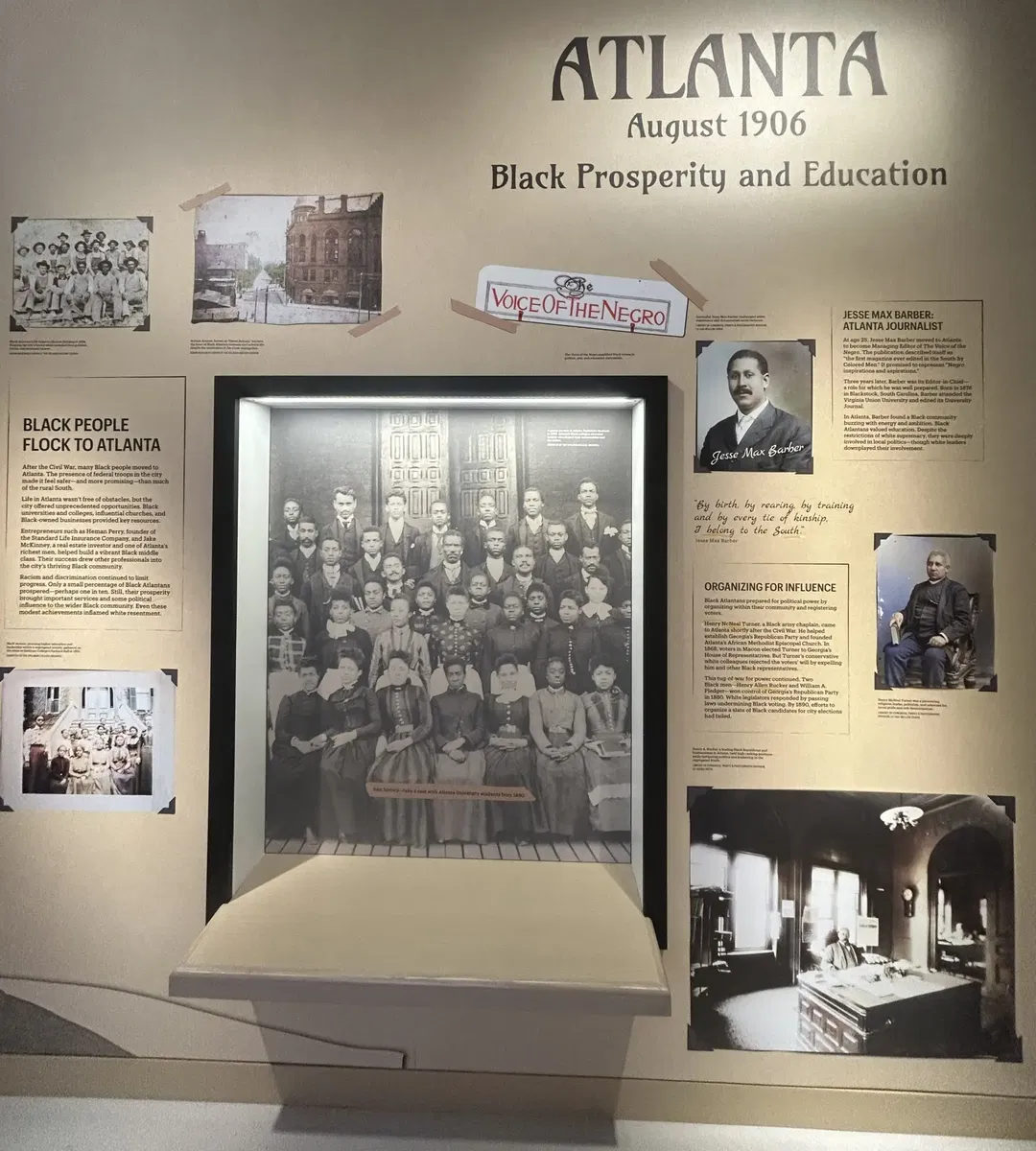
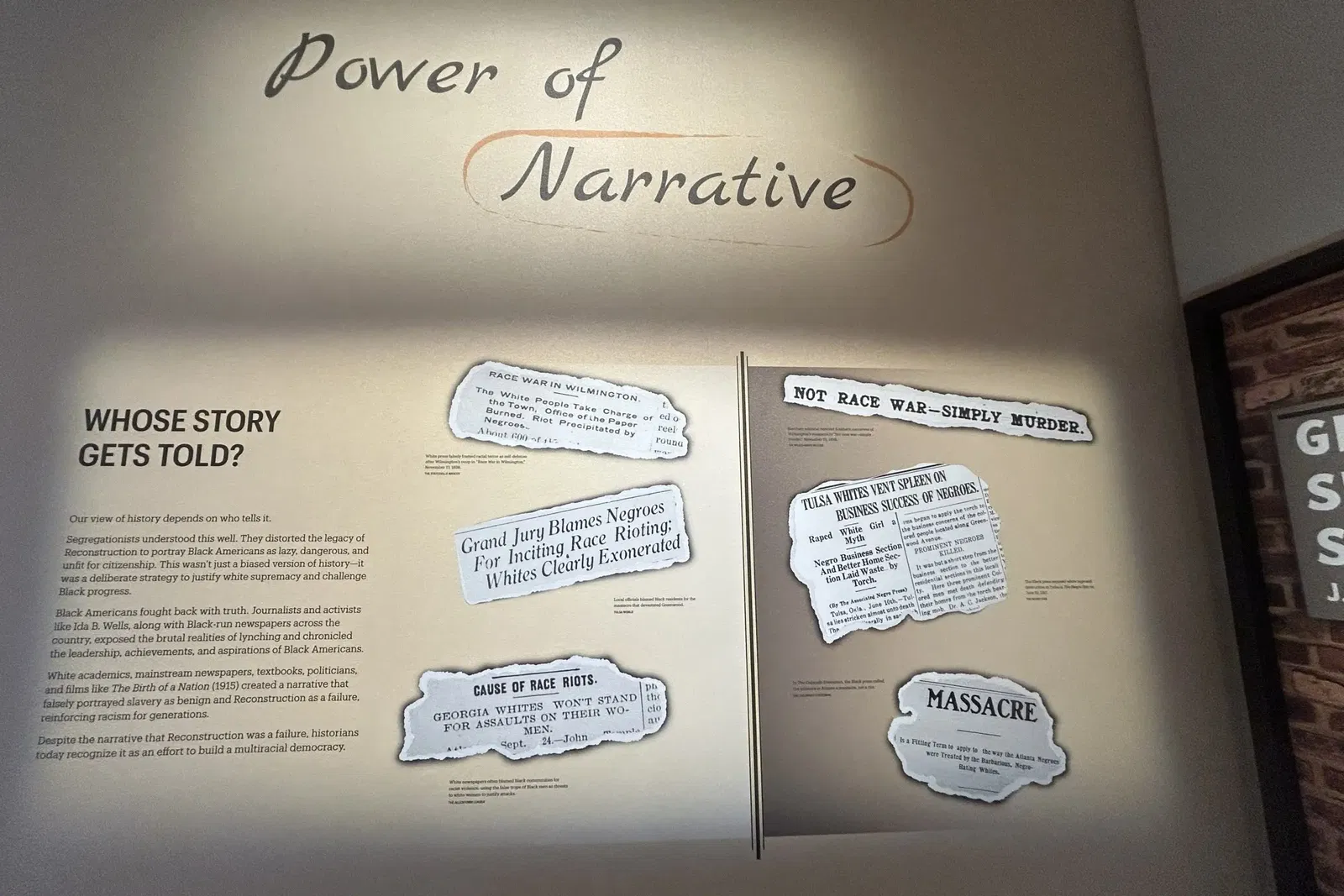
On to Level 2. With barely 30 minutes left, I started with the art gallery of paintings and sculptures relating to the Civil Rights Movement. A number of them are about MLK, including a model of his funeral wagon. The next gallery, called "Broken Promises", travels back in time to the Reconstruction (after the American Civil War). The contents show "Black Prosperity And Education" in spite of "Broken Promises", and two visual timeline of progression (and regression) of the black experience. (Video footage in "Day 3: National Center for Civil and Human Rights, Part 3".)
With my time almost up, I headed down to meet with our group. If I had more time, I would see as "Everyone. Everywhere." exhibit on Level 2. I'd also spend more time in "Rolls Down Like Water", explore the numerous interactive features, and then climb the stairs outside the building and see the sculpture on the north side. But that will be for another time. I enjoyed what I did see at the National Center for Civil and Human Rights. Not only will I return here, I'll also visit the World of Coca-Cola, the Georgia Aquarium and the Olympic Centennial Park. All three venues are within a stone's throw from the National Center.
Besucht am 06.01.2026
Diese Bewertung basiert auf der Bewertung dieses Museums auf mehreren anderen Plattformen.
Entdecke Museen in der Nähe von Center For Civil and Human Rights in oder um Atlanta.